



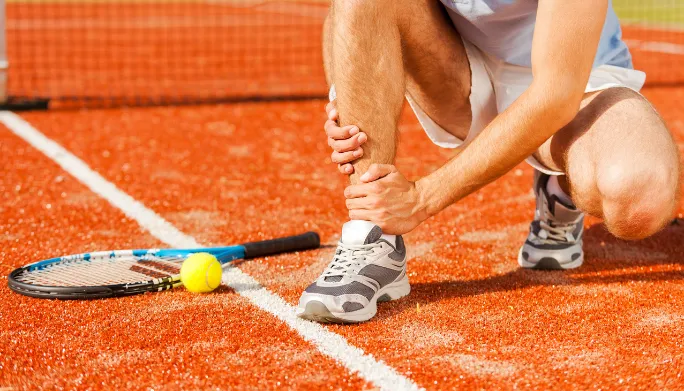
Weekend warriors face unique challenges when participating in recreational sports activities. These individuals typically maintain sedentary jobs during the week, but then engage in intense physical activity on weekends. This pattern of sporadic exercise creates conditions that predispose them to specific types of sports injuries.
Understanding Muscle Sprains
Muscle strains and ligament sprains represent the most frequent sports injuries among weekend warriors. Strains occur when muscle fibers stretch or tear, while sprains involve damage to ligaments connecting bones at joints. Common locations for strains include the hamstring, quadriceps, and calf muscles. Athletes typically experience sudden, sharp pain during activity, followed by muscle stiffness and tenderness. Swelling may develop within hours of injury, and the range of motion becomes limited.
Ankle sprains affect recreational athletes frequently, particularly those participating in sports involving cutting movements or uneven surfaces. The lateral ankle ligaments sustain damage most often, producing pain, swelling, and difficulty bearing weight. Initial treatment follows the RICE protocol: rest, ice, compression, and elevation. Severe strains or sprains that do not improve within 72 hours warrant medical evaluation.
Identifying Overuse Injuries
Overuse injuries develop gradually through repetitive stress on tissues without adequate recovery time. Weekend warriors experience these injuries when they increase activity intensity too rapidly or participate in repetitive motions without proper conditioning. Tennis elbow affects recreational athletes who perform repetitive arm motions. Pain develops on the outside of the elbow and may radiate down the forearm. Gripping activities become painful, and morning stiffness is common.
Runner’s knee presents as pain around or behind the kneecap, particularly during activities involving knee bending. Stair climbing and prolonged sitting often aggravate symptoms. The condition typically results from muscle imbalances or biomechanical issues. Plantar fasciitis causes heel pain that is most severe with the first steps in the morning or after periods of rest. The thick band of tissue supporting the arch becomes inflamed, producing stabbing pain that may improve with activity but worsens after rest.
Exploring Acute Traumatic Injuries
Acute injuries occur suddenly due to direct impact or sudden force. Weekend warriors face increased risk due to limited exposure to high-intensity situations and potential gaps in protective equipment or technique. Ankle fractures may occur during sports involving jumping or contact. Severe pain, inability to bear weight, and visible deformity characterize these injuries. Immediate medical attention is necessary for proper diagnosis and treatment.
Shoulder dislocations happen when the upper arm bone comes out of the shoulder socket. Athletes experience severe pain, visible deformity, and inability to move the arm. The shoulder may appear squared off rather than rounded. Knee ligament injuries, particularly ACL tears, occur during sports involving sudden stops, changes in direction, or landing from jumps. Athletes often report hearing a “pop” followed by immediate pain and swelling. The knee may feel unstable or give way.
Immediate care focuses on pain management and preventing further injury. Ice application helps control swelling and pain. Immobilization prevents additional damage to injured structures. Prompt medical evaluation determines the extent of injury and the appropriate treatment approach. Many acute injuries require surgical intervention or specialized treatment. Delayed treatment may lead to complications or prolonged recovery times.
Get Treatment for Sports Injuries
Weekend warriors benefit from understanding their injury risk and taking appropriate preventive measures. Proper warm-up routines prepare muscles and joints for activity. Gradual progression in intensity and duration allows tissues to adapt appropriately. Recognition of early warning signs allows intervention before minor problems become major injuries. Pain that persists beyond normal post-exercise soreness warrants attention and possible activity modification.
- Obligation Linéaire: Complete Guide to Meaning, Use, Finance & Law
- Tarnplanen: The Complete 2025 Guide to Smart Planning for Success
- Ryan Trahan Net Worth: Full Breakdown of His Income, Career & Success
- Serlig: Complete Guide to Meaning, Benefits, Uses, Lifestyle & Modern Wellness Approach
- Escapamento RD: Complete Guide, Performance, Types, Installation & Maintenance






Recent Comments