



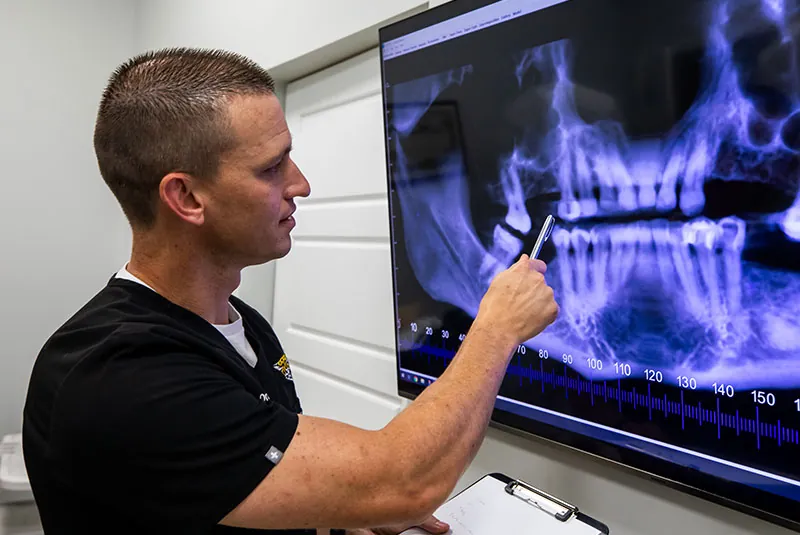
Dental issues don’t always wait for regular office hours, and delaying care can lead to greater pain or complications. An emergency dentist provides immediate evaluation and treatment for urgent problems, such as severe toothaches, broken teeth, or infections. Knowing when to make an emergency dentist appointment can help you protect your oral health, prevent long-term damage, and get relief when it matters most. Here are four reasons to make an emergency dental care appointment:
Severe Tooth Pain
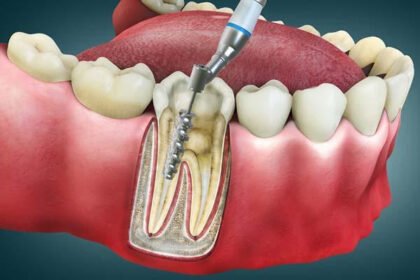
Intense tooth pain that lasts for hours signals a serious problem inside your tooth. This type of pain often means the nerve inside your tooth is damaged or infected. The pain may throb constantly, wake you up at night, or get worse when you bite down on food.
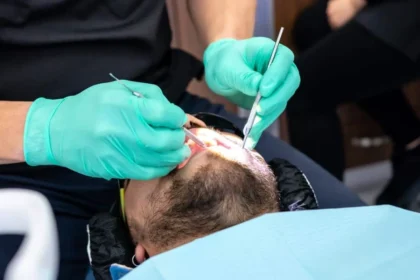
Over-the-counter pain medicine may provide temporary relief, but it won’t address the underlying issue. Waiting too long allows the infection to spread to other parts of your mouth or face. An emergency dentist will examine your tooth, take X-rays, and provide treatment to stop the pain and save your tooth. Some people try to ignore severe tooth pain, hoping it will go away on its own. This approach rarely works and often leads to more invasive treatments later.
Cracked, Broken, or Knocked-Out Tooth
Accidents happen, and teeth sometimes bear the brunt of the impact. Sports injuries, falls, car accidents, or biting down on hard objects damage teeth in various ways. A cracked tooth may feel sensitive to hot or cold temperatures, while a broken tooth often has sharp edges that cut your tongue or cheeks.
A completely knocked-out tooth requires immediate care from an emergency dentist. If you act within 30 minutes, there’s a good chance the tooth can be reattached successfully. Rinse the tooth gently with water and try to place it back in its socket. If that’s not possible, keep it moist in milk or saliva until you reach the dentist. Even small chips or cracks need professional attention. Bacteria enter through these openings and cause infections that spread throughout the tooth.
Swelling or Signs of Infection
Facial swelling, especially around your jaw or cheek, indicates a serious infection. This swelling may be accompanied by fever, a bad taste in your mouth, or tender lymph nodes in your neck. Dental infections spread quickly and become life-threatening if left untreated.
Gum abscesses also require urgent dental care. These painful bumps filled with pus develop when bacteria infect the area around your tooth roots. The abscess may burst on its own, providing temporary relief, but the infection remains active without proper treatment. Emergency dentists drain infections, prescribe antibiotics, and remove the source of the problem. They also monitor your symptoms to make sure the infection doesn’t spread to other parts of your body.
Lost Filling, Crown, or Dental Appliance
Losing a filling or crown exposes the sensitive inner parts of your tooth to bacteria and temperature changes. This exposure can cause pain and increase your risk of developing an infection or further tooth damage. Food particles and bacteria easily collect in the empty space where your filling or crown used to be.
Dental crowns protect weak teeth from breaking completely. Without this protection, your tooth may crack or chip with normal chewing pressure. A lost crown also affects your bite and puts extra stress on surrounding teeth. Walk-in dentist offices help replace lost fillings and crowns quickly. They also provide temporary solutions if permanent repairs aren’t possible right away.
Visit a Local Emergency Dentist Today
These four situations require immediate professional attention to prevent serious complications. Severe tooth pain, damaged teeth, infections, and lost dental work all qualify as dental emergencies that need same-day dental care. If you experience any of these problems over the weekend, contact an emergency dentist right away to protect your smile and maintain your oral health.
- Obligation Linéaire: Complete Guide to Meaning, Use, Finance & Law
- Tarnplanen: The Complete 2025 Guide to Smart Planning for Success
- Ryan Trahan Net Worth: Full Breakdown of His Income, Career & Success
- Serlig: Complete Guide to Meaning, Benefits, Uses, Lifestyle & Modern Wellness Approach
- Escapamento RD: Complete Guide, Performance, Types, Installation & Maintenance



Recent Comments