



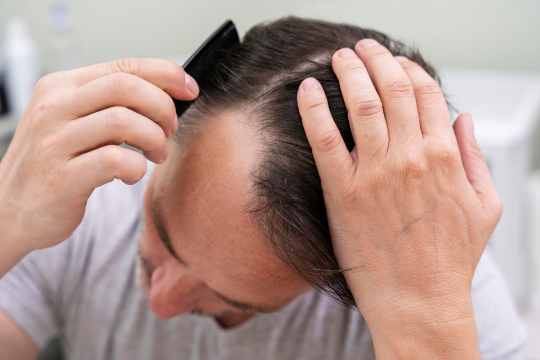
Modern hair restoration techniques offer solutions for hair loss, from surgical transplants to innovative therapies, to address thinning hair or baldness. Each treatment option has unique processes and factors, making it necessary to choose what fits your needs. By understanding these options, you can make informed decisions about the best approach for restoring hair growth.
1. Follicular Unit Extraction (FUE)
Follicular Unit Extraction (FUE) is a minimally invasive surgical technique for hair restoration. It involves removing individual hair follicles from donor areas, typically the back or sides of the scalp, and transplanting them to areas experiencing hair loss. This method allows for targeted placement of follicles, creating natural-looking results.
During the FUE procedure, surgeons use special tools to extract individual follicular units. This method reduces trauma to the surrounding tissue and allows surgeons to select healthy follicles for transplantation. The extracted follicles are then carefully implanted into areas of hair loss. FUE is a popular choice because it leaves less visible scarring compared to other surgical options. The small, circular extraction sites heal naturally over time.
The procedure can take several hours, depending on how many grafts are needed. Recovery is usually quick, with mild swelling or redness in the treated areas that fades within a few days. Most patients can return to their normal activities shortly after the procedure.
2. Follicular Unit Transplant (FUT)
Follicular Unit Transplant (FUT), or strip harvesting, involves removing a strip of scalp tissue from the donor area. This area is typically at the back of the scalp, where hair is most resistant to pattern baldness. Skilled technicians dissect the strip under microscopes to isolate individual follicular units for transplantation. Once removed, the donor area is closed with sutures, leaving a linear scar often hidden by surrounding hair.
After harvesting, the medical team will carefully prepare the follicular units and implant them into the recipient areas using precise placement techniques, similar to FUE. Recovery from FUT takes slightly longer due to the linear incision, as the suture line needs time to heal. Patients should avoid activities that strain the donor area during the initial recovery period. For those needing significant coverage, FUT provides substantial results.
3. ACell Therapy
ACell Therapy offers a modern approach to hair restoration, differing from traditional transplantation methods. This treatment uses a regenerative medicine matrix derived from porcine urinary bladder tissue, carefully processed to retain the extracellular matrix while removing cellular components. By providing a scaffold, ACell therapy supports the body’s natural healing and regenerative processes, making it a unique option for addressing hair loss.
ACell therapy is typically performed as an outpatient procedure with minimal downtime. It is applied to the treatment area following established protocols. The therapy can be used alone or combined with other treatments, depending on individual needs. While results vary, many patients report improved hair density and enhanced scalp health, making it a promising non-surgical option for hair restoration.
Make a Hair Restoration Appointment
Choosing the right hair restoration approach depends on factors like the extent of hair loss, personal goals, lifestyle, and overall health. Each treatment has unique advantages and suits different situations. Consulting with hair restoration specialists can help you evaluate your options and set realistic expectations. Researching available therapies enables you to make informed decisions that align with your goals.
- Obligation Linéaire: Complete Guide to Meaning, Use, Finance & Law
- Tarnplanen: The Complete 2025 Guide to Smart Planning for Success
- Ryan Trahan Net Worth: Full Breakdown of His Income, Career & Success
- Serlig: Complete Guide to Meaning, Benefits, Uses, Lifestyle & Modern Wellness Approach
- Escapamento RD: Complete Guide, Performance, Types, Installation & Maintenance





Recent Comments