



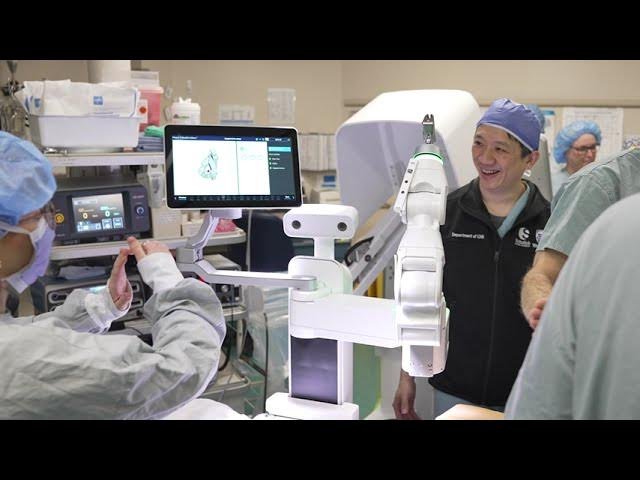
Robotic surgical advancements have been a fundamental innovation in the medical field, transforming the way complex procedures are performed. These technologies integrate precision hardware with sophisticated software to assist surgeons in achieving high levels of accuracy, even in delicate operations. Particularly in spine health, robotic systems are paving the way for safer, more efficient, and less invasive surgical options. By reducing the margin for error, these tools are enhancing patient experiences and redefining what is possible in spine surgery. Here’s more information on robotic spine surgery:
Minimally Invasive Surgery Methods
Minimally invasive surgery (MIS) is designed to reduce the physical impact of medical procedures on patients. Unlike traditional surgery, which often involves large incisions and extended recovery times, MIS aims to achieve the same objectives with smaller incisions, less tissue disruption, and quicker recovery. Robotic spine surgery exemplifies this approach, integrating technology and precision to enhance the MIS process.
Robotics allows surgeons to perform delicate operations through smaller incisions, guided by advanced imaging and navigation systems. In procedures like spinal fusions or herniated disc repairs, robots assist by stabilizing instruments, reducing manual errors, and improving access to the affected areas. The increased accuracy minimizes risks, like damage to surrounding muscles or tissues.
MIS offers patients a shorter recovery period, reduced postoperative pain, and minimal scarring. For surgeons, it provides enhanced control and visibility. Together, these benefits underline the value of minimally invasive approaches in spine procedures.
Enabling Technology
Technological advancements form the backbone of modern robotic spine surgery. With systems designed to assist surgeons, enabling technologies improve precision, optimize planning, and enhance procedural outcomes. Enabling technology refers to tools and systems that allow surgeons to perform highly complex procedures with increased accuracy and efficiency.
Supporting Surgery
These technologies support all stages of surgery, from preoperative planning to intraoperative navigation. Enabling technology acts as an extension of the surgeon’s expertise, facilitating real-time visualization, guidance, and instrument control. Preoperative imaging is instrumental in robotic spine surgery. Advanced imaging scans, like computed tomography (CT) or magnetic resonance imaging (MRI), are used to create 3D models of the patient’s anatomy. These models guide the surgeon during the procedure, helping to place surgical screws, implants, or other tools with precision.
Resulting Benefits
Several technologies are instrumental in robotic spine surgery. Modern navigation tools allow surgeons to view a real-time, 3D map of the patient’s spine during the surgery. Similar to a GPS, these systems help surgical movements align with the preoperative plan, eliminating guesswork. Some other key examples of advancements in technology include:
- Robotic-Assisted Surgery
- Intraoperative Neuromonitoring
- Ultrasonic Bone-Cutting Devices
- Augmented and Virtual Reality Tools
- Intraoperative Navigation
These examples demonstrate how robotics and other enabling technologies enhance the capabilities of surgeons, leading to more consistent and reliable outcomes.
Technological Advancements
By improving accuracy, decreasing invasiveness, and enhancing safety protocols, robotics addresses significant challenges from spine conditions. For patients with spinal disorders, technological advancements contribute to shorter hospital stays and faster recoveries. Reduced operating times and less trauma to surrounding tissues mean individuals can return to their routine activities sooner.
The precision of robotic-assisted surgeries minimizes the risk of postoperative complications such as infections or misaligned implants. Surgeons also benefit from improved ergonomics and reduced physical strain during lengthy procedures. The collaborative nature of robotic systems reduces the likelihood of error while amplifying the surgeon’s expertise. This synergy between humans and machines ultimately transforms the way spinal disorders are treated, providing better outcomes for patients.
Learn More About Robotic Spine Surgery
Advancements in medical procedures play a fundamental role in improving patient outcomes across various specialties. By combining precision, minimally invasive methods, and enabling technologies, robotic systems address the complexities of spinal conditions. These advancements not only improve procedural outcomes but also enhance the overall patient experience. Consult with a specialist today to learn more about this innovative field.
- Obligation Linéaire: Complete Guide to Meaning, Use, Finance & Law
- Tarnplanen: The Complete 2025 Guide to Smart Planning for Success
- Ryan Trahan Net Worth: Full Breakdown of His Income, Career & Success
- Serlig: Complete Guide to Meaning, Benefits, Uses, Lifestyle & Modern Wellness Approach
- Escapamento RD: Complete Guide, Performance, Types, Installation & Maintenance






Recent Comments