



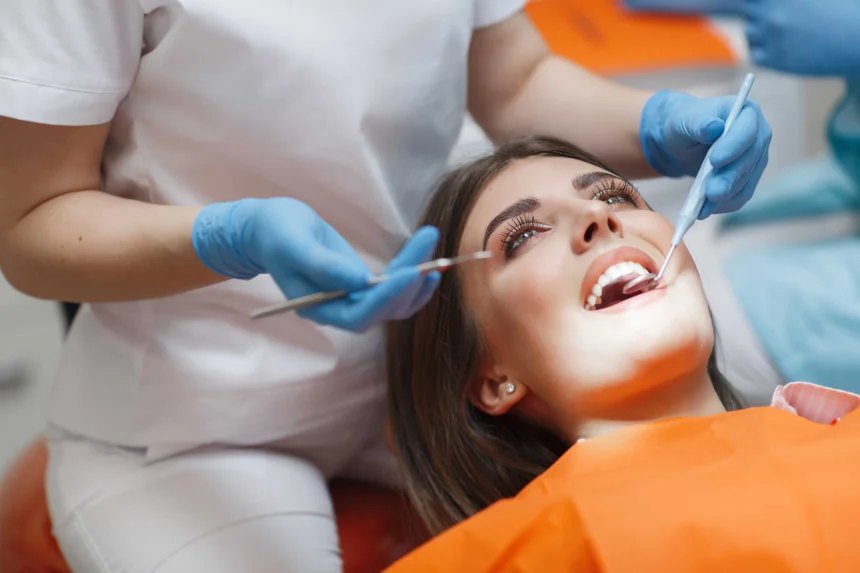
Getting dental crowns is a substantial step in restoring the strength and appearance of a damaged tooth. To keep your crowns looking great and functioning properly for years to come, proper care is required. From daily oral hygiene habits to avoiding certain foods and scheduling regular dental visits, knowing how to care for your dental crowns can make all the difference in maintaining their durability. Here’s how to care for your dental crowns:
Practice Excellent Oral Hygiene Daily
Daily oral hygiene forms the foundation of crown care and overall dental health. Brush your teeth twice daily using fluoride toothpaste and a soft-bristled toothbrush. Pay special attention to the area where your dental crown meets your natural tooth, as plaque buildup in this area can lead to decay and gum disease.
Flossing around dental caps requires gentle technique to avoid dislodging the restoration. Thread the floss carefully between your teeth and slide it down to the gum line. Pull the floss out sideways rather than lifting it up over the crown to prevent damage. This method protects both your crown and the surrounding tooth structure. Using an antimicrobial mouthwash provides further protection against bacteria that cause tooth decay and gum inflammation.
Avoid Habits That Can Damage Your Crown
Certain foods and habits put unnecessary stress on dental crowns and shorten their lifespan. Hard foods, such as ice, nuts, and hard candies, create excessive pressure that can crack or chip the crown material. Sticky foods pull on the crown and may loosen the cement holding it in place.
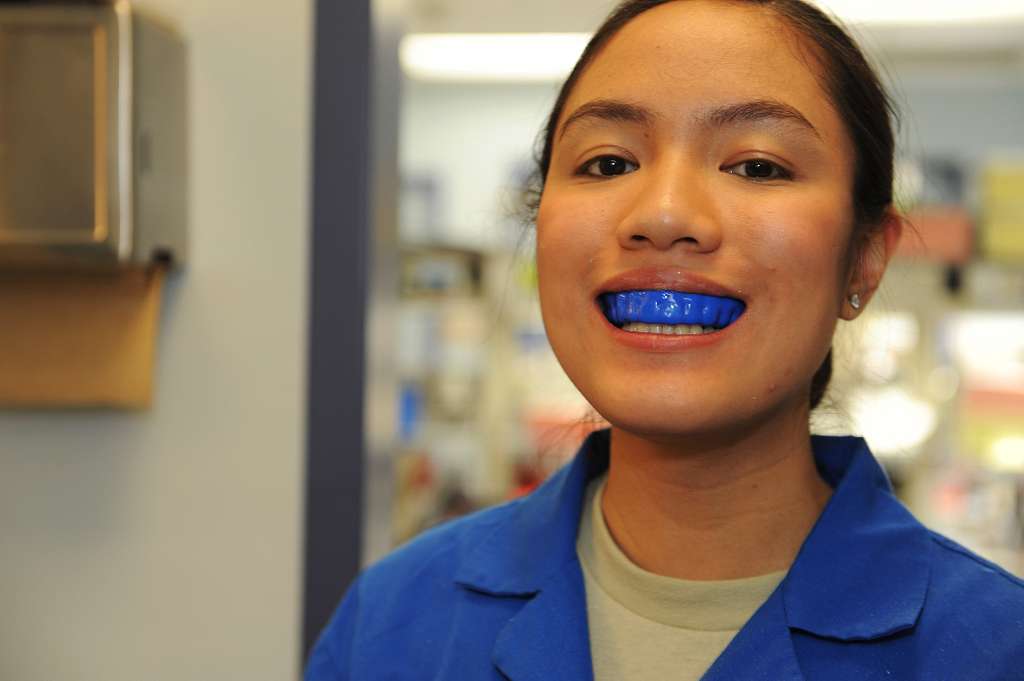
Grinding or clenching your teeth places tremendous force on both dental crowns and natural teeth. This habit, known as bruxism, often occurs during sleep when you have no control over the pressure. A night guard protects your crowns from damage while you sleep. Using your teeth as tools damages crowns just as it harms natural teeth. Keep scissors and bottle openers handy to avoid using your teeth for tasks for which they were not designed.
Schedule Regular Dental Checkups
Professional dental cleanings and examinations keep your crowns and natural teeth in optimal condition. During routine visits, your dentist checks the fit and integrity of your dental crowns to identify potential problems before they become serious. These appointments usually occur every six months for most patients.
During checkups, your dental hygienist removes plaque and tartar buildup that regular brushing cannot eliminate. Professional cleaning tools reach areas around your crown that are difficult to clean at home. The thorough cleaning helps prevent decay in the natural tooth structure beneath the crown.
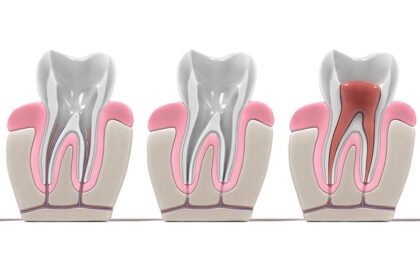
X-rays taken during dental visits help reveal problems beneath the crown that are not visible during visual examination. Decay or infection around the tooth root requires prompt treatment to save the crown and underlying tooth. Early detection makes treatment more effective and less complex.
Watch for Warning Signs
Several symptoms indicate that your dental crowns need professional attention. Pain or sensitivity when biting down suggests the crown is loose or the underlying tooth has developed decay. Sharp pain when eating hot or cold foods may signal that the crown no longer fits properly.
A loose or mobile crown requires immediate dental care to prevent further damage. The restoration may have lost its cement bond, or the underlying tooth structure may have changed. Swelling or tenderness in the gums around your crown indicates possible infection or irritation. These symptoms develop when bacteria accumulate beneath a loose crown or when the restoration no longer fits properly against the gum line.
Book a Dental Crowns Appointment Today
Proper care helps your dental crown last several years while maintaining your oral health. Daily hygiene, avoiding damaging habits, regular checkups, and monitoring for warning signs form the foundation of successful crown maintenance. Contact a qualified dentist to schedule your dental crown consultation or routine checkup today.
- Obligation Linéaire: Complete Guide to Meaning, Use, Finance & Law
- Tarnplanen: The Complete 2025 Guide to Smart Planning for Success
- Ryan Trahan Net Worth: Full Breakdown of His Income, Career & Success
- Serlig: Complete Guide to Meaning, Benefits, Uses, Lifestyle & Modern Wellness Approach
- Escapamento RD: Complete Guide, Performance, Types, Installation & Maintenance



Recent Comments