



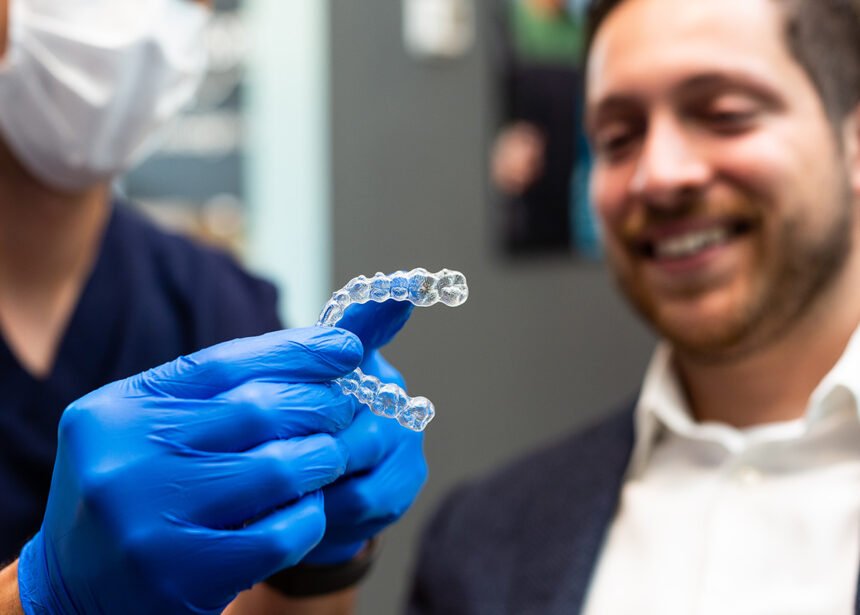
The alignment of teeth and the structure of the jaw play a substantial role in overall dental well-being. This is where orthodontics comes in. It is a specialized branch of dentistry focused on diagnosing, preventing, and treating irregularities of the teeth and jaws. Orthodontic treatment often includes braces, aligners, and other corrective appliances, all aimed at improving dental function and aesthetics.
What Is Orthodontics?
Orthodontics is a field within dentistry that focuses on correcting misaligned teeth and jaws. Its primary goal is to reposition teeth to improve both function and appearance. This area of care addresses common issues such as crowding, gaps between teeth, overbites, underbites, and crossbites.
Orthodontic treatment plans often use braces, retainers, or clear aligners to gradually move teeth into proper alignment. Modern advancements have expanded options, making treatments more comfortable and aesthetically pleasing for patients of all ages. Though orthodontics is often associated with aesthetics, its benefits are far-reaching. Proper alignment facilitates better oral hygiene.
Who Is It For?
Orthodontics is suitable for individuals of various ages, from children to adults. Treatment is often initiated during childhood or adolescence as the jaw and teeth are still developing, making it easier to guide them into alignment. Dentists may recommend an orthodontic evaluation early on to identify potential issues before they become more challenging to address.
Adults are also excellent candidates for orthodontics. Whether the goal is to correct long-standing alignment issues or address new concerns, modern orthodontic solutions accommodate adult lifestyles. Clear aligners offer a discreet and convenient option for individuals who may be hesitant about more traditional approaches like metal braces.
While anyone experiencing misaligned teeth or jaws can benefit, orthodontics is particularly valuable for those facing functional issues. Difficulty in chewing or discomfort due to jaw strain are clear indicators that orthodontic intervention may be beneficial. It’s a solution centered on both oral health and quality of life.
What Are the Benefits?
The benefits of orthodontics extend far beyond aesthetic enhancements. Properly aligned teeth offer several advantages that contribute to overall oral health. Some prominent benefits include:
- Improved Oral Hygiene: Misaligned or crowded teeth can make effective brushing and flossing difficult. Straightened teeth are easier to clean, reducing the risk of cavities, gum disease, and other oral health issues.
- Enhanced Bite Functionality: Orthodontic treatment addresses misaligned bites that may lead to uneven wear on teeth or jaw discomfort. By aligning the bite, treatment reinforces chewing and speaking to be more comfortable and efficient while lessening the risk of complications like temporomandibular joint (TMJ) disorders.
- Long-Term Cost Savings: Addressing alignment issues early can prevent more extensive and costly dental treatments down the line.
Speak With a Dental Professional
Whether you’re experiencing challenges with alignment or seeking preventive solutions for your family, an orthodontist can provide guidance tailored to your needs. Scheduling a consultation with a dental professional is the first step toward understanding how orthodontics could benefit your long-term oral health. With advancements in treatment techniques and technology, achieving a healthy, aligned smile is possible and more accessible.
- Obligation Linéaire: Complete Guide to Meaning, Use, Finance & Law
- Tarnplanen: The Complete 2025 Guide to Smart Planning for Success
- Ryan Trahan Net Worth: Full Breakdown of His Income, Career & Success
- Serlig: Complete Guide to Meaning, Benefits, Uses, Lifestyle & Modern Wellness Approach
- Escapamento RD: Complete Guide, Performance, Types, Installation & Maintenance



Recent Comments