



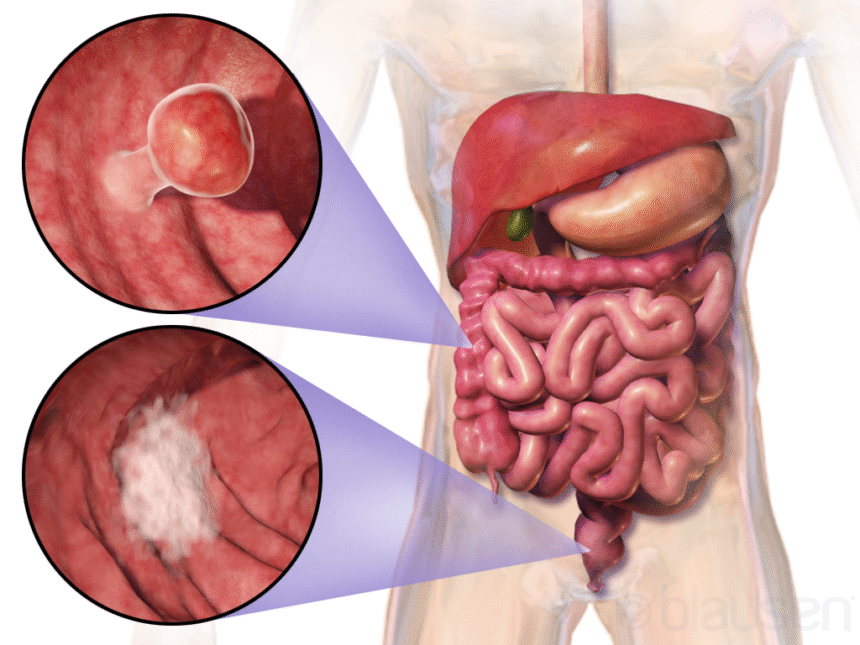
Early detection plays a significant role in improving outcomes for individuals diagnosed with colon cancer. Detecting cancer in its initial stages increases the chances of successful treatment and long-term survival. Screening and timely medical evaluation allow for the identification of precancerous conditions or early tumors before symptoms develop.
Understanding Colon Cancer and Its Progression
Colon cancer typically begins as small growths called polyps inside the colon or rectum. Not all polyps become cancerous, but some can develop into malignant tumors over time. The progression from polyp to cancer may take several years, providing a window for early detection. Identifying polyps during routine screenings can prevent cancer from developing or catch it at a treatable stage.
Screening methods such as colonoscopies, stool tests, and imaging exams help detect cancer early. Colonoscopies allow doctors to examine the entire colon and remove polyps before they turn cancerous. Stool-based tests check for hidden blood or abnormal DNA that may indicate cancer or precancerous changes. These screenings are especially key for individuals over 45 or those with risk factors such as family history or inflammatory bowel disease.
Regular screenings contribute to lower cancer mortality rates by catching disease before symptoms appear. They also enable less invasive treatment options and improve the likelihood of full recovery. Discussing appropriate screening schedules with healthcare providers supports personalized care.
Seeking Medical Advice
Colon cancer in early stages may not cause noticeable symptoms, making screenings key. When symptoms do arise, they can include changes in bowel habits, blood in stool, abdominal discomfort, or unexplained weight loss. Prompt evaluation of these signs by a healthcare professional increases chances of early diagnosis. Awareness of risk factors such as age, diet, lifestyle, and genetics helps individuals recognize when medical consultation is advisable. Early medical intervention remains a critical factor in improving survival rates and treatment effectiveness.
Knowing Treatment Options Based on Stage
Treatment approaches for cancer depend on the cancer stage at diagnosis. Early-stage colon cancer may be treated effectively with surgery alone, removing tumors or affected tissue. Advanced stages might require additional therapies such as chemotherapy, radiation, or targeted treatments. The earlier cancer is detected, the less extensive treatment may be needed. Early intervention often results in fewer complications and a better quality of life during and after treatment. Continuous monitoring after treatment also supports long-term health.
After diagnosis and treatment, lifestyle modifications contribute to overall well-being and reduce recurrence risk. Maintaining a balanced diet, staying physically active, and avoiding tobacco support recovery and general health. Regular follow-up appointments allow healthcare providers to monitor for signs of cancer return and manage any long-term effects. Ongoing communication with medical teams helps tailor follow-up plans to individual needs. This sustained care improves survival rates and promotes a healthier future for cancer survivors.
Schedule a Colon Cancer Screening
Detecting cancer early significantly influences survival rates and treatment success. Regular screenings, awareness of symptoms, and timely medical evaluation provide the best opportunity for positive outcomes. Combining early detection with appropriate treatment and lifestyle support creates a pathway to improved health and longevity.
Individuals are encouraged to consult healthcare providers about cancer screening options and follow recommended guidelines. Taking proactive steps empowers patients to manage their health effectively and reduce the impact of colon cancer.
- Obligation Linéaire: Complete Guide to Meaning, Use, Finance & Law
- Tarnplanen: The Complete 2025 Guide to Smart Planning for Success
- Ryan Trahan Net Worth: Full Breakdown of His Income, Career & Success
- Serlig: Complete Guide to Meaning, Benefits, Uses, Lifestyle & Modern Wellness Approach
- Escapamento RD: Complete Guide, Performance, Types, Installation & Maintenance






Recent Comments