



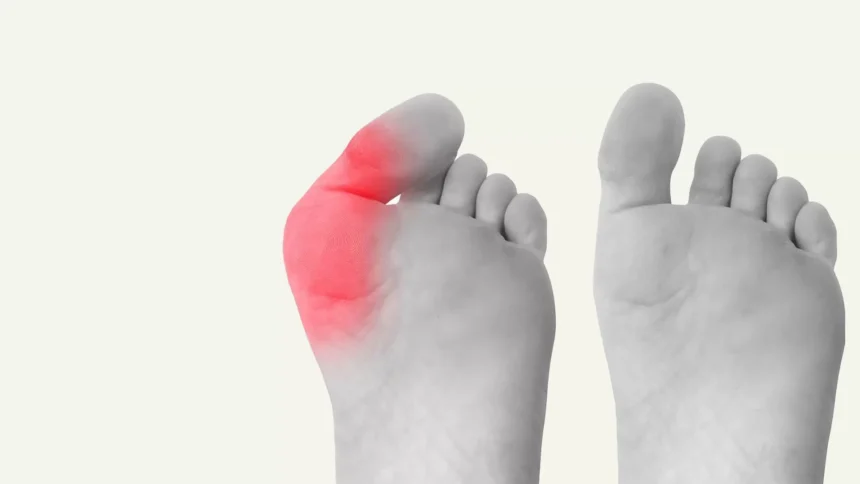
Bunions are a common foot condition that can cause noticeable discomfort and alter the structure of the foot. They are characterized by a bony bump that develops on the joint at the base of the big toe, often pushing the toe out of alignment. This anatomical change affects how the foot functions and can interfere with daily life. Understanding what causes bunions, how they affect daily activities, and which treatments offer relief can be the first step toward effective management.
What Causes Bunions to Form
Bunions form when the bones in the front part of the foot move out of alignment, particularly at the metatarsophalangeal (MTP) joint at the base of the big toe. Several factors can contribute to this condition, including genetics, which often plays a role as the foot structure that predisposes someone to bunions may be inherited. Individuals with flat feet, overly flexible joints, or abnormal bone structures may be more likely to develop bunions.
External factors can also contribute to bunion formation. Wearing tight, narrow, or high-heeled shoes can place undue pressure on the toes, forcing them into unnatural positions over time. Additionally, certain medical conditions, such as arthritis, can weaken joint integrity and contribute to the development of a bunion. It is often a combination of these internal and external factors that leads to the gradual progression of a bunion.
How Bunions Impact Daily Life
Bunions can significantly impact an individual’s everyday comfort and mobility. Common challenges include:
- Pain and Swelling: The protrusion at the base of the big toe can become inflamed, making even simple activities like walking or standing painful.
- Footwear Limitations: Shoes may feel tight or uncomfortable due to the bunion’s impact on foot shape. This can make finding suitable footwear a frustrating experience.
- Reduced Mobility: The misaligned big toe can limit the natural movement of the foot, making physical activities more difficult.
- Cosmetic Concerns: The noticeable bony bump can cause self-consciousness, especially if the condition becomes severe.
These daily effects often prompt individuals to seek treatment for relief and improved quality of life.
Which Treatments Offer Lasting Relief
Treating bunions requires a multifaceted approach, customized to the severity of the condition. For mild to moderate cases, non-surgical methods are typically the first line of intervention. Orthotics, such as padded inserts or custom insoles, help alleviate pressure on the bunion and improve foot alignment. Wider footwear designed to accommodate the bunion can also reduce friction and irritation.
For individuals experiencing persistent pain or if the bunion significantly interferes with daily life, surgical options may be recommended. These procedures typically focus on realigning the affected bones and correcting structural deformities in the foot. While surgery can provide lasting relief, it is often taken into account only after non-surgical methods have been exhausted.
Take Control of Your Bunion Care
Managing bunions starts with understanding their causes and addressing any contributing factors, such as improper footwear or underlying foot conditions. By taking proactive steps, like making lifestyle modifications or seeking appropriate medical advice, you can alleviate the discomfort associated with bunions and prevent them from worsening. With the right approach, you can maintain better mobility, reduce pain, and improve your overall well-being.
- Obligation Linéaire: Complete Guide to Meaning, Use, Finance & Law
- Tarnplanen: The Complete 2025 Guide to Smart Planning for Success
- Ryan Trahan Net Worth: Full Breakdown of His Income, Career & Success
- Serlig: Complete Guide to Meaning, Benefits, Uses, Lifestyle & Modern Wellness Approach
- Escapamento RD: Complete Guide, Performance, Types, Installation & Maintenance





Recent Comments