



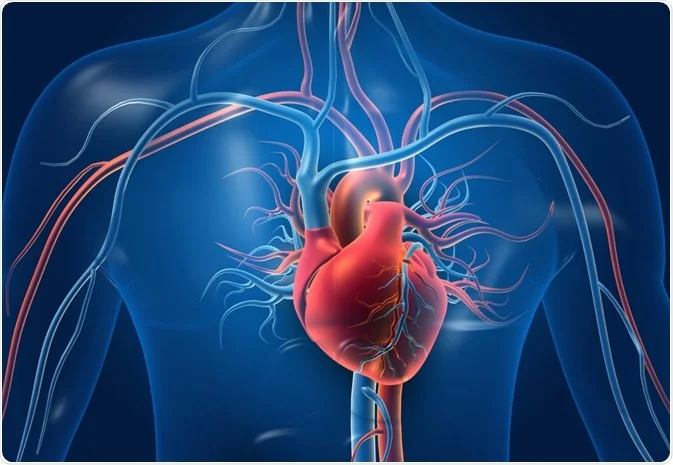
Nuclear stress testing is a valuable tool for evaluating how well your heart functions under stress. Using exercise or medication to simulate physical exertion, along with radioactive tracers, it generates detailed images of your heart. This test helps identify areas of reduced blood flow and highlights circulation issues. By understanding the process, you can make more informed decisions about your heart health and treatment options.
Understanding Nuclear Stress Testing
In cardiovascular health assessments, nuclear stress testing uses small amounts of radioactive tracers to show blood flow through the heart muscle. The procedure usually takes three to four hours, depending on your situation and the test ordered by your doctor. During the test, the tracer is injected through an IV line. A special camera captures images of how the tracer moves through your heart. Typically, two sets of images are taken: one while your heart is at rest and one during or after stress.
Preparing for Your Test
Your preparation for the test starts before you arrive at the testing facility. Your healthcare team will provide specific instructions, which may include avoiding caffeine for 12 to 24 hours before the test. This includes skipping coffee, tea, chocolate, and certain medications containing caffeine. Wear comfortable clothing and athletic shoes suitable for walking or running on a treadmill. Avoid applying lotions, oils, or powders to your chest area, as these can interfere with electrode placement.
Bring a list of your current medications, as your doctor may ask you to temporarily discontinue certain heart medications before the test. Eat a light meal a few hours before your appointment, but avoid heavy or fatty foods that could cause discomfort. If you have diabetes, discuss meal timing and any necessary medication adjustments with your healthcare provider to confirm optimal management. Following these steps will help the test proceed smoothly and provide accurate results.
Testing Process
The nuclear stress test involves several steps to evaluate your heart’s blood flow. It starts with the insertion of an IV line to administer a small amount of radioactive tracer. You’ll then wait for the tracer to circulate through your bloodstream. This is followed by the resting phase, where you’ll lie on an examination table while a gamma camera captures images of your heart to show blood flow patterns.
The next phase is the stress portion, which can involve either exercise or medication. If you’re able to exercise, you’ll walk on a treadmill that gradually increases in speed and incline while healthcare providers monitor your heart rate, blood pressure, and ECG. For those unable to exercise, medications are used to mimic the effects of physical activity by increasing their heart rate and blood flow, thereby simulating stress conditions.
At peak stress, you’ll receive a second injection of the radioactive tracer. After a short recovery period, a second round of imaging will be performed to capture how your heart functions under stress. These images, compared with the resting ones, help doctors assess your heart’s blood flow and identify potential issues.
Take Care of Your Heart
After your nuclear stress test, you can resume normal activities and diet unless instructed otherwise by your doctor. The radioactive material will naturally leave your body through normal functions over the next few days. Your doctor will review the results and contact you to discuss any findings about blood flow to your heart muscle. This test provides detailed information about your heart’s condition, guiding treatment decisions and improving your cardiac care.
- Obligation Linéaire: Complete Guide to Meaning, Use, Finance & Law
- Tarnplanen: The Complete 2025 Guide to Smart Planning for Success
- Ryan Trahan Net Worth: Full Breakdown of His Income, Career & Success
- Serlig: Complete Guide to Meaning, Benefits, Uses, Lifestyle & Modern Wellness Approach
- Escapamento RD: Complete Guide, Performance, Types, Installation & Maintenance






Recent Comments