



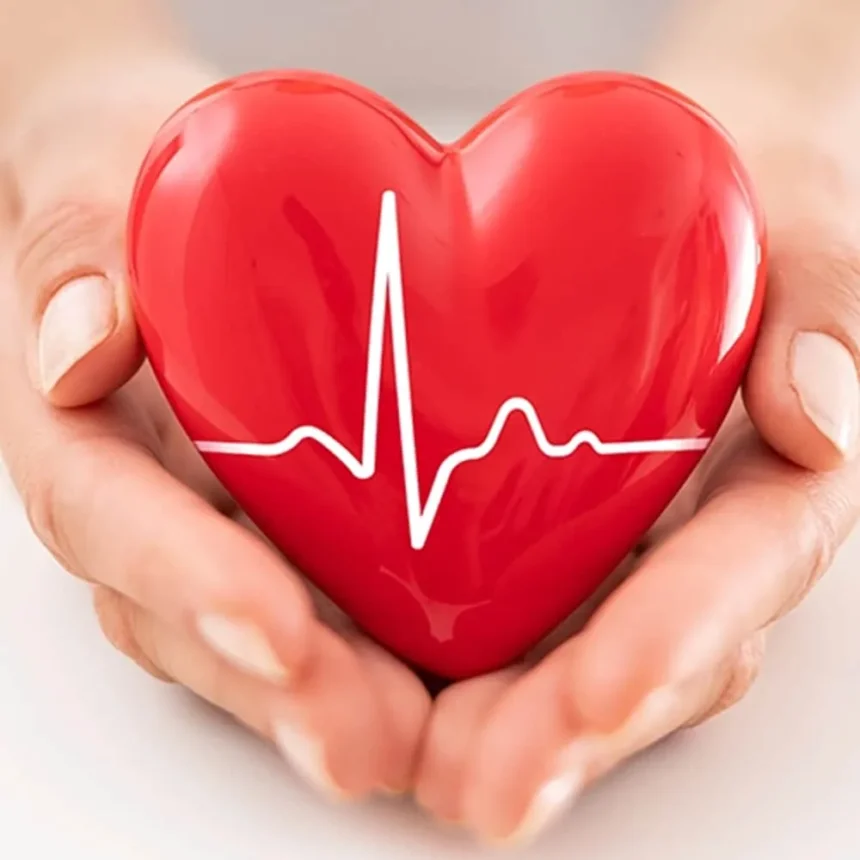
Heart palpitations are often described as an unusual awareness of the heartbeat; it may feel like fluttering, racing, or even skipping beats. While they can sometimes be harmless, recurring or intense palpitations may cause concern and should be discussed with a cardiologist. Understanding some of the factors that trigger them is helpful.
Stress and Anxiety Triggers
Stress and anxiety are common causes of heart palpitations. During stress or a panic attack, your body releases hormones like adrenaline as part of the fight-or-flight response, which can make your heart beat faster or irregularly. Chronic anxiety, whether caused by psychological factors or environmental stressors, can also raise your baseline heart rate.
Palpitations may feel more intense during emotionally stressful moments. If you frequently experience heart palpitations linked to stress or anxiety, it’s worth consulting a cardiologist to rule out any underlying issues. Relaxation techniques, such as deep breathing or mindfulness, can also help manage these feelings and stabilize your heart rate over time.
Caffeine and Stimulant Intake
Caffeine and certain stimulants can quickly impact heart function, leading to palpitations. Some typical culprits often associated with this trigger include:
- Coffee and Tea: Consuming excessive amounts of coffee or highly caffeinated tea can increase your heart rate and potentially cause noticeable irregularities.
- Energy Drinks: These beverages often contain high levels of caffeine combined with additional stimulants like guarana or taurine, which amplify their effect on your heart.
- Over-the-Counter Medications: Some cold medications and decongestants contain stimulants such as pseudoephedrine, which may contribute to palpitations.
Limiting your consumption of stimulants or avoiding them close to bedtime can reduce the likelihood of experiencing these symptoms.
Hormonal or Medical Changes
Changes in the body’s hormonal balance can also lead to heart palpitations. Women may experience these symptoms during pregnancy, menopause, or menstrual cycles, as hormonal fluctuations strain the cardiovascular system. For example, elevated levels of specific hormones, such as estrogen and progesterone, can temporarily alter heart activity.
Medical conditions, such as thyroid imbalances or hypoglycemia, can also play a significant role. An overactive thyroid (hyperthyroidism), in particular, prompts the release of more thyroid hormones than the body needs, leading to a rapid or irregular heartbeat. Identifying the underlying condition is key to determining the appropriate course of action.
Medications and Drug Effects
Some medications and recreational drugs can cause heart palpitations as a side effect. A few categories often linked to these symptoms include:
- Prescription Medications: Medications like beta-agonists (used for asthma) or certain antidepressants can cause changes in heart rhythms.
- Diet Pills: Weight-loss drugs containing stimulants might speed up metabolism and increase heart rate.
- Recreational Drugs: Substances like cocaine or amphetamines can overstimulate the heart, leading to racing or irregular beats.
If you suspect medications or drug use is behind your palpitations, consult a healthcare provider. Never stop taking prescribed medications without guidance from a doctor, as alternatives may be available to manage side effects.
Talk to a Cardiologist Today
Heart palpitations are not always a cause for alarm, but they can sometimes signal underlying health issues requiring attention. If you’ve noticed recurring or severe symptoms, schedule a consultation with a cardiologist to understand your heart health better. By addressing potential causes and making lifestyle adjustments, you can work toward reducing the frequency of palpitations and protecting your overall cardiovascular well-being.
- Obligation Linéaire: Complete Guide to Meaning, Use, Finance & Law
- Tarnplanen: The Complete 2025 Guide to Smart Planning for Success
- Ryan Trahan Net Worth: Full Breakdown of His Income, Career & Success
- Serlig: Complete Guide to Meaning, Benefits, Uses, Lifestyle & Modern Wellness Approach
- Escapamento RD: Complete Guide, Performance, Types, Installation & Maintenance





Recent Comments