



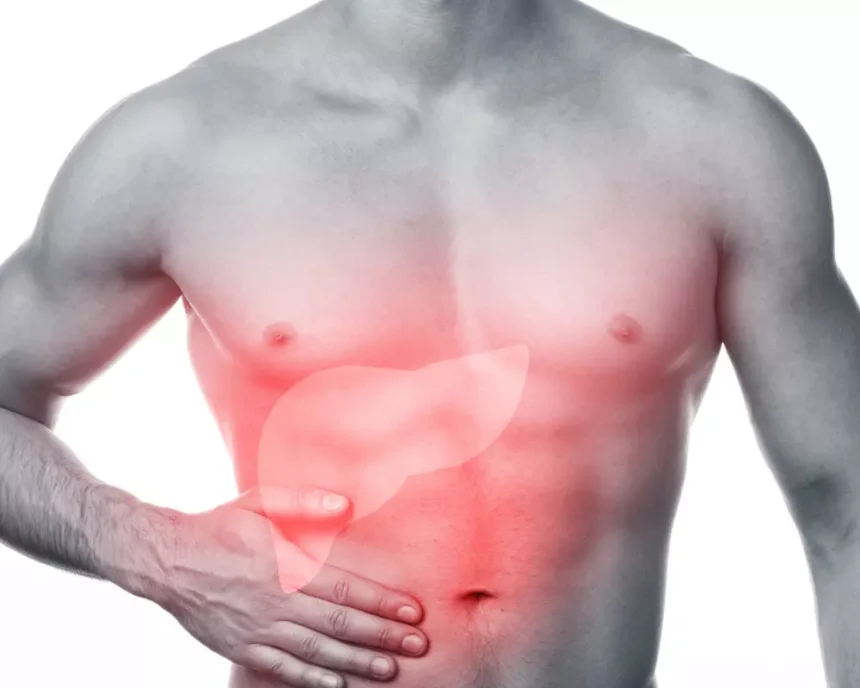
Your gallbladder plays a key role in digesting fats by storing and releasing bile produced by your liver. What you eat directly influences how well this small organ functions and whether you develop gallbladder-related problems. Understanding the relationship between diet and gallbladder health can help you make informed choices about your nutrition and overall well-being with the help of a gallbladder specialist.
Identifying Supportive Foods
A gallbladder specialist understands the connection between diet and gallbladder health. Certain dietary choices promote healthy gallbladder function by supporting proper bile flow and reducing inflammation. High-fiber foods like vegetables, fruits, and whole grains help regulate cholesterol levels in bile, which prevents gallstone formation. Lean proteins such as fish, poultry, and plant-based options provide necessary nutrients without overloading the digestive system with saturated fats.
Foods rich in magnesium, including leafy greens, nuts, and seeds, support muscle function in the gallbladder and bile ducts. Omega-3 fatty acids found in fatty fish like salmon and sardines have anti-inflammatory properties that benefit gallbladder health. Staying adequately hydrated with water also helps maintain proper bile consistency and flow.
Exploring Harmful Dietary Factors
Several dietary patterns can negatively impact gallbladder function and increase the risk of developing gallstones or other complications. High-fat diets, particularly those rich in saturated and trans fats, can cause the gallbladder to work harder and may lead to inflammation or impaired bile flow. Refined carbohydrates and processed foods contribute to rapid fluctuations in blood sugar levels.
Excessive consumption of fried foods, fast food, and processed meats places additional strain on the gallbladder. These foods are typically high in unhealthy fats and low in beneficial nutrients. Large, infrequent meals can also stress the gallbladder by requiring it to release large amounts of bile at once. Alcohol consumption can interfere with bile production and flow, while excessive caffeine intake may affect gallbladder contractions. Rapid weight loss through extreme dieting can increase risk by altering bile composition and gallbladder emptying patterns.
Creating a Healthy Eating Pattern
Building a diet that supports gallbladder health involves focusing on whole, minimally processed foods while limiting those that may cause problems. Aim to include a variety of fruits and vegetables in your daily meals, as these provide fiber, antioxidants, and other beneficial compounds. Choose lean protein sources and prepare them using healthy cooking methods like baking, grilling, or steaming rather than frying. Incorporate healthy fats in moderate amounts, such as those found in avocados, olive oil, and nuts, while limiting saturated and trans fats.
Eating regular, moderately-sized meals throughout the day helps maintain steady bile flow and prevents the gallbladder from becoming overfull or remaining empty for extended periods. This pattern supports optimal gallbladder function and reduces the risk of complications. Pay attention to portion sizes, particularly with fatty foods, as large amounts can overwhelm the gallbladder’s capacity to process fats effectively. Gradual dietary changes are more sustainable and allow your digestive system to adapt properly.
Find a Gallbladder Specialist
The foods you choose directly impact your gallbladder’s ability to function properly and maintain your overall digestive health. A diet rich in fiber, lean proteins, and beneficial fats creates the best environment for gallbladder health. Making these dietary adjustments gradually and consistently can help support your gallbladder function over time. If you have concerns about gallbladder health, consult with a healthcare professional for personalized guidance and evaluation.
- Obligation Linéaire: Complete Guide to Meaning, Use, Finance & Law
- Tarnplanen: The Complete 2025 Guide to Smart Planning for Success
- Ryan Trahan Net Worth: Full Breakdown of His Income, Career & Success
- Serlig: Complete Guide to Meaning, Benefits, Uses, Lifestyle & Modern Wellness Approach
- Escapamento RD: Complete Guide, Performance, Types, Installation & Maintenance





Recent Comments