




Dental emergencies can occur unexpectedly, causing pain and anxiety and necessitating emergency dentistry. Knowing how to respond promptly can prevent further damage and alleviate discomfort until professional care becomes available. Here is more information on immediate response strategies, pain management techniques, and prevention methods for common dental emergencies:
Preparing for Emergencies
Emergency dentistry provides specific approaches for optimal outcomes, depending on the issue. A knocked-out tooth needs immediate attention within the first hour for the best chance of successful reimplantation. Rinse the tooth gently with water without scrubbing the root surface, then place it back in the socket if possible. If reinsertion proves difficult, store the tooth in milk or a commercial tooth preservation product.
Chipped or broken teeth benefit from rinsing the mouth with warm water and applying a cold compress to reduce swelling. Save any tooth fragments in a clean container for potential restoration. Avoid chewing on the affected side and protect sharp edges with dental wax or sugar-free gum.
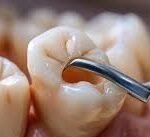
Lost fillings create sensitivity and discomfort; temporary dental cement from a pharmacy can provide relief until professional treatment. Clean the cavity gently and apply the cement according to package directions. Avoid sticky or hard foods that might dislodge the temporary material.
Managing Pain
Pain control forms a central component of emergency dental care. Over-the-counter pain medications like ibuprofen provide anti-inflammatory benefits while reducing discomfort. Follow package directions for dosage and frequency. Acetaminophen offers an alternative for those unable to take ibuprofen. Cold compresses applied to the outside of the cheek can reduce swelling and numb pain. Apply for 15-20 minutes at a time with breaks between applications.
Heat should be avoided, as it can increase swelling and worsen infection.
Salt water rinses help reduce bacteria and provide mild pain relief. Mix one teaspoon of salt in a cup of warm water and rinse gently. This solution can be used several times daily without adverse effects. Commercial oral pain gels containing benzocaine provide numbing effects.
Knowing When to See a Dentist
Recognizing situations that require immediate professional intervention prevents complications. Severe, persistent pain that interferes with daily activities needs prompt evaluation. Swelling that affects the face, neck, or ability to swallow requires emergency medical attention. Bleeding that continues for more than an hour despite pressure application needs professional assessment. Signs of infection, including fever, foul taste, or pus drainage, require antibiotic treatment and dental evaluation.
Trauma involving jaw injury or suspected fractures needs immediate medical care. Difficulty opening the mouth, changes in bite alignment, or numbness in the face suggest serious injury requiring professional treatment. Schedule follow-up appointments promptly after emergency treatment. Temporary solutions provide relief but require professional restoration for long-term success. Delays in treatment can lead to more extensive and expensive procedures.
Find Emergency Dentistry
Understanding these emergency response techniques provides confidence when dental problems arise unexpectedly. Quick action and appropriate temporary measures can prevent minor issues from becoming major complications. Regular dental checkups and good oral hygiene remain the best prevention strategies for dental emergencies. Keep a dental emergency kit with items like pain medication, cold compress, dental wax, and temporary filling material. Having these supplies readily available reduces stress and improves outcomes when emergencies occur.
- Obligation Linéaire: Complete Guide to Meaning, Use, Finance & Law
- Tarnplanen: The Complete 2025 Guide to Smart Planning for Success
- Ryan Trahan Net Worth: Full Breakdown of His Income, Career & Success
- Serlig: Complete Guide to Meaning, Benefits, Uses, Lifestyle & Modern Wellness Approach
- Escapamento RD: Complete Guide, Performance, Types, Installation & Maintenance




Recent Comments