



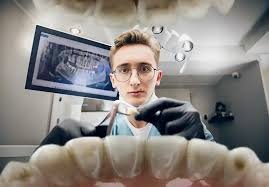
A dental implant provides a durable, long-term solution for replacing missing teeth, but it may not be the right fit for everyone. Factors such as bone health, overall oral condition, and treatment goals all influence whether this option is suitable. Understanding what a tooth implant involves can help you make an informed decision about your dental care. Let’s explore the key benefits of implants and the factors to think about when contemplating one.
Benefits of Choosing an Implant
Dental implants provide several advantages over other tooth replacement options. These benefits make them a popular choice for people with missing teeth.
- Strength and Stability: Unlike dentures that sit on top of your gums, tooth implants anchor directly into your jawbone. This creates a strong foundation that doesn’t slip or move when you eat or talk.
- Natural Appearance: The crown that attaches to your dental implant looks just like your other teeth. Your dentist matches the color and shape to blend perfectly with your smile.
- Bone Health Protection: When you lose a tooth, the jawbone in that area starts to shrink because it no longer gets stimulation from chewing. A tooth implant functions like a natural tooth root, keeping the bone healthy.
- Long-Term Solution: With proper care, tooth implants last decades or even a lifetime. This makes implants a smart long-term investment in your oral health.
Choosing tooth implants restores functionality and aesthetics, and also serves as a durable and reliable solution for maintaining optimal oral health.
Factors to Assess
Several key factors determine if an implant works well for you. Your oral surgeon will evaluate these during your consultation.
- Jawbone Density: You need enough healthy jawbone to support the implant. If you’ve had missing teeth for a long time, your bone may have shrunk. In some cases, a bone graft procedure builds up the bone before implant placement.
- Overall Health: Good general health helps implants heal properly. Conditions like uncontrolled diabetes or heart disease may affect healing. Your surgeon reviews your medical history to make sure a dental implant is safe for you.
- Gum Health: Healthy gums are fundamental for tooth implant success. Gum disease must be treated before implant surgery. Good oral hygiene habits help implants last longer after treatment.
- Time Commitment: The implant process takes several months from start to finish. The implant needs time to heal and bond with your jawbone before the final crown is placed.
Carefully paying attention to these factors will help you make an informed decision and increase the likelihood of a successful and long-lasting dental implant outcome.
Alternatives to Choose
If dental implants don’t work for your situation, other options can restore your smile and dental function. A dental bridge replaces one or more missing teeth by attaching crowns to the teeth on either side of the gap. Another option is dentures. Dentures replace one or more missing teeth or a full arch of teeth. Modern dentures appear more natural than their older counterparts.
Schedule Your Dental Implant Consultation Today
Tooth implants offer the closest alternative to natural teeth for most people with missing teeth. They provide strength, comfort, and a natural appearance that lasts for decades. A consultation with an oral surgeon helps you understand all your options. Contact a trusted dentist or oral surgeon today to schedule your dental implant consultation.
- Obligation Linéaire: Complete Guide to Meaning, Use, Finance & Law
- Tarnplanen: The Complete 2025 Guide to Smart Planning for Success
- Ryan Trahan Net Worth: Full Breakdown of His Income, Career & Success
- Serlig: Complete Guide to Meaning, Benefits, Uses, Lifestyle & Modern Wellness Approach
- Escapamento RD: Complete Guide, Performance, Types, Installation & Maintenance





Recent Comments