



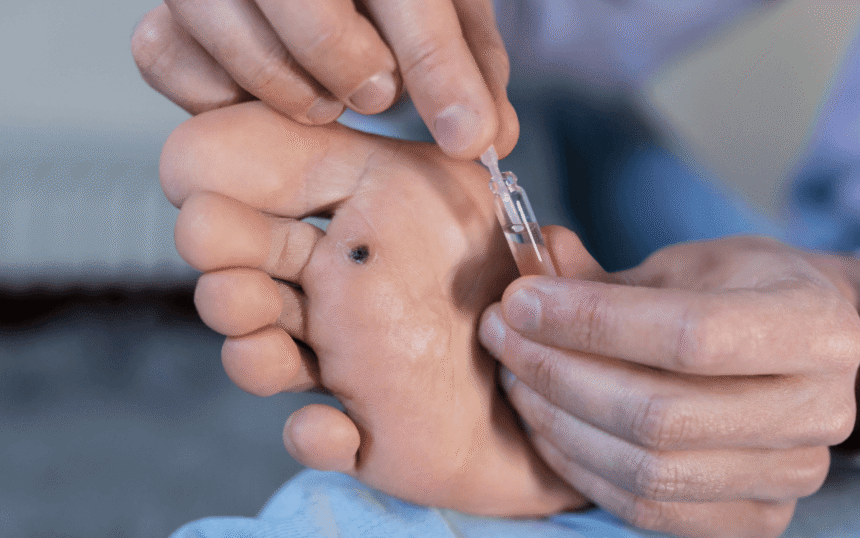
Warts are small, rough growths on the skin. Usually harmless, they can sometimes be uncomfortable or embarrassing. There are various treatment options available, each targeting warts in different ways. Here are some effective methods, including topical treatments, cryotherapy, and acids:
What Are Topical Treatments?
Topical treatments are applied directly to the wart to help break down the abnormal skin. You can use over-the-counter products or get drugs from a doctor. One option is salicylic acid, which slowly dissolves the wart. To use it effectively, follow these steps:
- Soak the wart in warm water for about 10 minutes to soften the skin, which helps the treatment work better.
- Apply a thin layer of salicylic acid to the wart.
- Cover the area with a bandage.
- Repeat these steps daily until the wart disappears.
Topical treatments are convenient, widely available, and easy to use at home.
How Does Cryotherapy Work?
Cryotherapy is a treatment that freezes the wart, causing the tissue to die. It is usually recommended for warts that haven’t responded to other treatments. Although cryotherapy products are available from a drug store, getting the treatment at a clinic may produce faster results. During professional procedures, liquid nitrogen is applied to the wart using either a cotton swab or a spray. The strong cold destroys the affected skin, which turns black and falls off within one to two weeks.
There are also at-home cryotherapy products that use mild freezing agents. These require multiple applications to be effective. If you feel discomfort during or after the treatment, applying a warm compress can soothe the area. Cryotherapy offers a quick and precise option, especially for warts that won’t go away.
What Are Acid Treatments?
Foot doctors may use a strong acid to remove warts, typically under medical supervision. It is especially effective for stubborn warts, such as plantar warts or those on areas with thick skin. This method works by destroying the wart. Dermatologists carefully apply the acid directly to the wart in a controlled manner. Some patients may need several treatment sessions, depending on the size and location of the wart.
After treatment, the wart typically scabs over and falls off after a few sessions. Because this acid is an intensive treatment, you might experience mild soreness at the application site. It’s a good idea to discuss this option with a doctor to see if it’s suitable for your skin and condition.
How Are Warts Avoided?
Preventing warts from spreading is a key to keeping your skin clear. You can make a difference with a few simple habits:
- Keep Skin Protected: Cover cuts, scratches, or open blisters to prevent HPV entry.
- Avoid Touching Warts: Warts spread through direct contact. Avoid picking at your own or touching someone else’s.
- Choose Proper Shoes: In places like pools or locker rooms, wear sandals or water shoes to protect your feet.
- Dry Skin Well: Moisture helps the virus thrive. Be sure to dry your hands, feet, and skin folds after washing or exercising.
Following these steps boosts skin health and may lower the risk of future warts.
What Next Steps Should You Take?
Exploring different treatments for warts can be challenging, but various options offer practical solutions. Whether you prefer trying an at-home treatment or seeking assistance from a foot doctor, it’s possible to find an approach tailored to your needs. By following a solid treatment plan, while also adopting careful steps, you’ll take control of removing warts and keeping your skin healthy. Find a foot and ankle clinic near you to treat warts.
- Obligation Linéaire: Complete Guide to Meaning, Use, Finance & Law
- Tarnplanen: The Complete 2025 Guide to Smart Planning for Success
- Ryan Trahan Net Worth: Full Breakdown of His Income, Career & Success
- Serlig: Complete Guide to Meaning, Benefits, Uses, Lifestyle & Modern Wellness Approach
- Escapamento RD: Complete Guide, Performance, Types, Installation & Maintenance



Recent Comments