



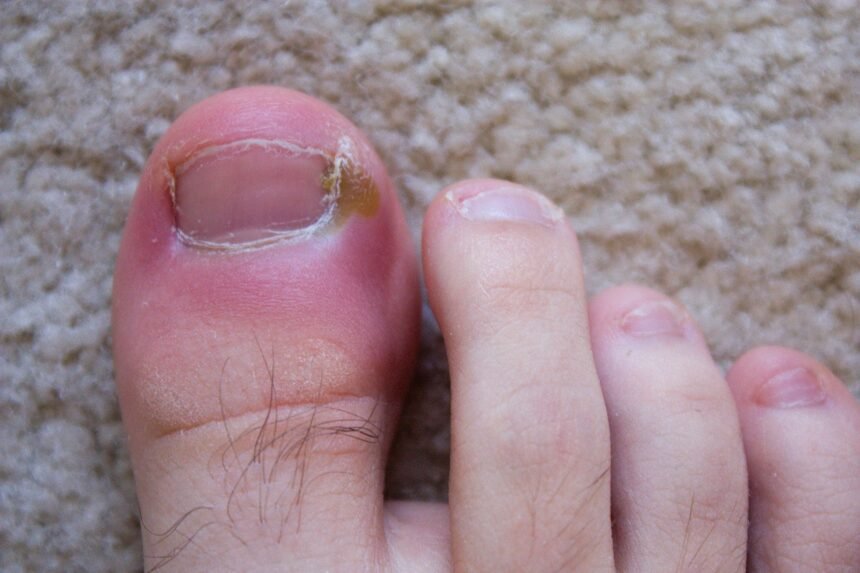
Ingrown toenails are a common foot condition that cause discomfort and interfere with daily activities. Understanding the signs and symptoms can help you identify this condition early and seek appropriate care. Here are some key indicators of ingrown toenails and practical information to help you recognize when professional evaluation may be needed.
What Are Ingrown Toenails?
Ingrown toenails happens when the edge of a toenail grows into the surrounding skin instead of over it. It most commonly affects the big toe, but may occur on any toe. This can irritate the surrounding area and lead to infection. Common causes include improper nail trimming, tight shoes, toe injuries, or naturally curved nails. Some people are more prone to ingrown toenails due to their nail shape or foot structure.
What are the Symptoms of an Ingrown Toenail?
Recognizing the early signs of an ingrown toenail can help you manage the condition and prevent complications. Here are the key symptoms to watch for:
Pain and Discomfort
Pain is often the first sign of an ingrown toenail. It typically starts as a mild ache along the side of the nail and worsens with pressure. This discomfort can make wearing shoes difficult and may interfere with activities like walking or standing for long periods.
The pain often intensifies when pressing on the affected area or when the toe comes into contact with socks, shoes, or bedding. It is typically most pronounced at the nail’s corner or edge where it meets the skin. In severe cases, the area will become red, swollen, and susceptible to infection.
Redness Around the Nail
Redness is another common symptom. The skin around the affected nail may appear pink or red, especially along the sides where the nail presses into the skin. This redness can extend beyond the nail area and become more noticeable as the condition worsens.
The redness results from your body’s natural response to irritation or injury. You might notice the area feels warm to the touch due to increased blood flow as part of the healing process.
Swelling and Inflammation
Swelling often accompanies ingrown toenails and makes the affected toe appear larger than usual. This swelling typically occurs near the nail fold, where the nail meets the skin, and can make wearing regular shoes uncomfortable.
The swollen area may look puffy and feel tight. The surrounding skin might have a fuller, rounder appearance compared to other toes, which could indicate inflammation caused by the ingrown nail.
By recognizing these symptoms early, you can take steps to manage the condition and avoid further complications. If symptoms persist or worsen, consult a healthcare professional.
Why Do Symptoms Worsen?
If left untreated, ingrown toenails can worsen, leading to additional symptoms. The affected area may start to drain fluid, which could be clear, yellow, or tinged with blood. Over time, the surrounding skin might grow over the nail edge, forming a raised, fleshy area that typically become tender. As the condition progresses, some people notice increased warmth in the toe, indicating inflammation. Pain and swelling often intensify, making it harder to wear shoes or carry out normal daily activities.
Taking Action for Your Foot Health
Recognizing the signs of an ingrown toenail early will help you address the condition properly. Avoid cutting or digging out the ingrown portion yourself, as this may worsen the problem. Soaking your foot in warm water and wearing open-toed shoes can reduce discomfort and pressure on the affected area. If symptoms persist, worsen, or show signs of infection, consult a healthcare provider or podiatrist for proper treatment.
- Obligation Linéaire: Complete Guide to Meaning, Use, Finance & Law
- Tarnplanen: The Complete 2025 Guide to Smart Planning for Success
- Ryan Trahan Net Worth: Full Breakdown of His Income, Career & Success
- Serlig: Complete Guide to Meaning, Benefits, Uses, Lifestyle & Modern Wellness Approach
- Escapamento RD: Complete Guide, Performance, Types, Installation & Maintenance





Recent Comments