



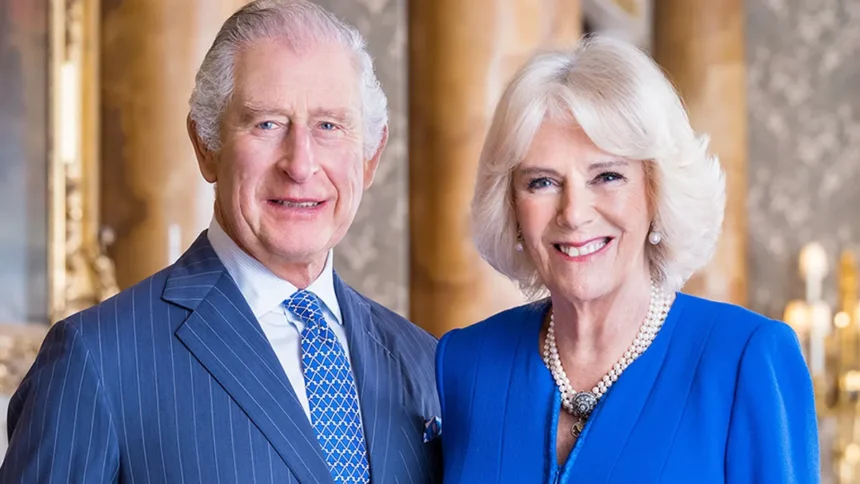
King Charles III’s health has become one of the most closely followed topics in the world. Since the official announcement of his cancer diagnosis, millions have shown concern for his wellbeing and curiosity about how it affects the British monarchy. The Palace has provided limited but significant information, painting a picture of a monarch determined to balance his health with his duty.
The Diagnosis and Official Announcement
In February 2024, Buckingham Palace released a statement confirming that King Charles III had been diagnosed with a form of cancer. The discovery was made following treatment for an enlarged prostate, during which doctors identified another concern that required further investigation.
The Palace emphasized that the cancer was not prostate cancer but did not specify the exact type, respecting the King’s privacy. This level of openness was unprecedented for a reigning British monarch and reflected a more transparent approach under Charles’s leadership.
The diagnosis immediately drew widespread attention. People across the United Kingdom and around the world sent messages of support, and media outlets began following his health journey with great care.
The Beginning of Treatment
After the announcement, King Charles started outpatient treatment under the supervision of top British medical specialists. Buckingham Palace confirmed that his therapy had begun immediately and was showing positive progress.
Despite the gravity of his diagnosis, the King chose to continue working in a limited capacity rather than stepping back completely.
He remained at his residence while receiving regular treatment sessions and continued his duties such as reviewing official documents and meeting with advisers.
The Palace repeatedly stated that his medical team was pleased with the results so far, and that his overall condition was being “managed successfully.”
Hospital Observation and Adjustments
In March 2025, the King was briefly admitted to the hospital for observation after experiencing mild side effects from his treatment. The Palace clarified that this was a precautionary measure and that there was no reason for alarm.
After several days, he returned home to Windsor Castle, where he continued his recovery. His doctors reportedly adjusted his treatment plan to reduce the side effects while maintaining the same effectiveness.
The short hospitalization highlighted the seriousness of his health condition but also the efficiency of his medical care and his determination to follow medical advice strictly.
King Charles Speaks About His Health
During a visit to Newmarket in July 2025, King Charles gave a rare personal comment on his health. When asked how he was feeling, he replied that he was “feeling a lot better now,” describing his illness as “just one of those things.”
His calm and optimistic tone reassured the public that his treatment was working. Later, in an emotional message shared through official channels, he acknowledged that a cancer diagnosis could be “daunting,” but he encouraged others facing similar challenges to remain hopeful and strong.
These words resonated deeply with people across the country and around the world. They showed the human side of a monarch who has often been seen as reserved and formal, now connecting personally with millions through shared vulnerability.
Impact on Royal Duties
Adjusted Schedule and Responsibilities
Following medical advice, King Charles temporarily reduced his workload to focus on recovery. This did not mean a complete withdrawal from royal life. He continued to perform essential constitutional responsibilities, including reviewing state papers, holding virtual meetings, and conducting audiences with the Prime Minister.
Many of his public engagements were either postponed or delegated to other senior royals. The Palace confirmed that his schedule would remain flexible and adjusted according to his health condition.
Public Engagements and Appearances
Despite ongoing treatment, King Charles continued to make occasional public appearances. He attended religious services, charity events, and small community visits, often accompanied by Queen Camilla. His visible commitment to duty even while in treatment drew admiration from both supporters and critics.
Observers noted that while he appeared thinner, his posture and energy remained composed and steady. His presence at key events reinforced his intention to remain active as monarch, despite the challenges of his illness.
Role of the Royal Family During His Illness
Prince William’s Increasing Role
As King Charles focused on his treatment, Prince William, the Prince of Wales, took on an increasingly prominent role in representing the monarchy. He attended several major state events and official engagements on behalf of his father.
This shift has been seen as both a practical necessity and a gradual preparation for the future. Prince William’s calm leadership and growing public confidence have strengthened the royal family’s stability during this sensitive time.
Queen Camilla’s Support
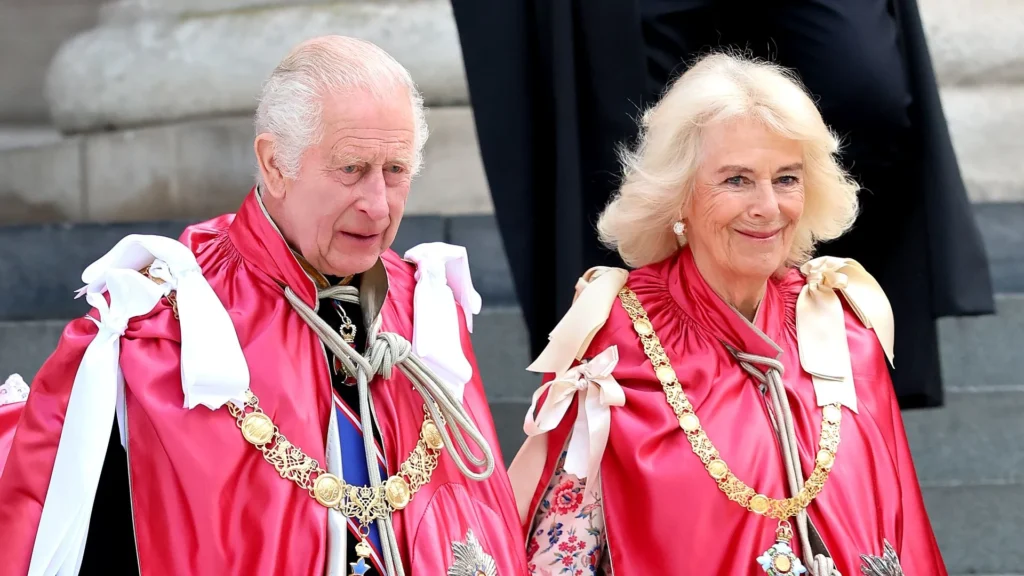
Queen Camilla has been a constant source of support for the King throughout his treatment. She has continued with her own royal duties while ensuring her husband maintains balance and rest. Reports from palace insiders describe her as both emotionally strong and deeply attentive, ensuring the King’s daily routine remains stable and positive.
Family Unity
In a time when personal and public pressures are high, the royal family appears more united than before. Both of the King’s sons, Prince William and Prince Harry, are said to have expressed concern and solidarity. This renewed sense of family connection has added emotional strength to the King’s recovery journey.
Media Coverage and Public Response
The announcement of King Charles’s illness triggered global media coverage. While many reports have been respectful, others have speculated about his appearance and possible future implications for the monarchy.
Buckingham Palace has maintained a policy of limited disclosure, providing factual updates without revealing personal medical details. This balance between openness and privacy reflects both the King’s modern approach and the institution’s need for discretion.
Public sentiment has been overwhelmingly supportive. Across social media, thousands of messages and prayers have been shared daily. Cancer support organizations have reported increased public awareness and donations, influenced by the King’s openness about his diagnosis.
For many citizens, his courage and sense of responsibility have made him a symbol of strength and perseverance.
Medical Insights and Expert Views
While the exact nature of King Charles’s cancer has not been disclosed, several medical experts have provided general insights based on what has been publicly shared. They suggest that his ability to continue performing royal duties indicates a condition that is being effectively controlled with treatment.
Experts also highlight that the King’s positive attitude and disciplined lifestyle are strong contributing factors to his recovery. Regular medical monitoring and the availability of advanced treatments in the UK further increase the likelihood of continued improvement.
These assessments, while not official, align with the Palace’s repeated assurance that the King’s condition is moving in a “positive direction.”
What the Future May Hold
Short-Term Outlook
In the near future, King Charles is expected to maintain a reduced yet steady schedule. His recovery will likely continue into the following year, with occasional updates from Buckingham Palace. Official sources suggest that his treatment plan will remain active but manageable, allowing him to fulfill essential duties.
Long-Term Perspective
Speculation about abdication or succession has circulated in some media outlets, but there has been no indication of such a plan from the Palace. King Charles has consistently expressed his dedication to serving the nation for as long as he is capable.
It is likely that he will continue sharing responsibilities with Prince William and other senior royals while keeping a guiding hand on major decisions. His reign may evolve into one of teamwork and shared leadership, reflecting both modern values and practical necessity.
A Message of Hope and Strength
Beyond his personal recovery, King Charles’s openness about his illness has inspired countless people. His message to cancer patients emphasized resilience, hope, and the importance of emotional strength.
By speaking about his experience, he has broken traditional royal silence around health issues, helping to normalize conversations about cancer and encouraging others to seek help early. His calm composure and dedication to duty have become symbols of stability during uncertain times.
The King’s journey shows that even those in positions of great power face human challenges, and his public response has turned that challenge into an opportunity for empathy and connection.
FAQs By King Charles Health Update
1. What is the health condition of King Charles?
King Charles III has been diagnosed with a form of cancer, discovered during treatment for an enlarged prostate. He is undergoing treatment and continues some public duties.
2. What health condition does Charles have?
The King has cancer, though the exact type has not been disclosed. It is confirmed not to be prostate cancer.
3. Do Charles and Camilla sleep in the same bed?
There is no official confirmation, but it is likely that King Charles and Queen Camilla share a bed as a married couple.
4. Will Kate be queen when King Charles dies?
No, Kate will become queen consort only when Prince William becomes king. Until then, she remains Princess of Wales
5. How long is the king expected to live?
There is no confirmed timeline for King Charles’s life. He continues treatment, and his health is being closely monitored.
Conclusion on King Charles Health Update
King Charles III’s health update shows that he is stable and responding well to treatment. Despite his illness, he continues to fulfill important royal duties with dedication. The support of Queen Camilla, Prince William, and the public has been crucial for his recovery. His journey inspires hope and highlights the importance of early detection and proper care. The King remains committed to serving his nation while focusing on his health.




Recent Comments