



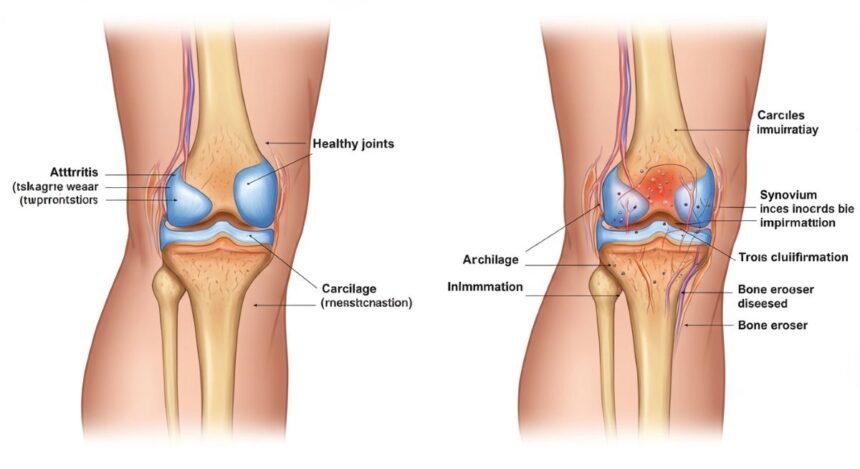
Attritie is a collective term for over 100 conditions that cause inflammation, pain, stiffness, and structural changes in the joints. Unlike simple joint pain (arthralgia), attritie involves direct injury or inflammation of joint tissues. Some forms are acute, while others are chronic and progressive. Attritie affects people of all ages and is one of the leading causes of disability worldwide, reducing mobility, independence, and overall quality of life.
How Attritie Develops
Joint Structure and Normal Function
A joint is formed where two bones meet, separated by cartilage, which allows smooth, cushioned movement. The synovium (joint lining) produces lubricating fluid that nourishes cartilage, while ligaments and muscles keep the joint stable.
When joints are healthy, movement is smooth, flexible, and pain-free.
Pathologic Changes in Attritie
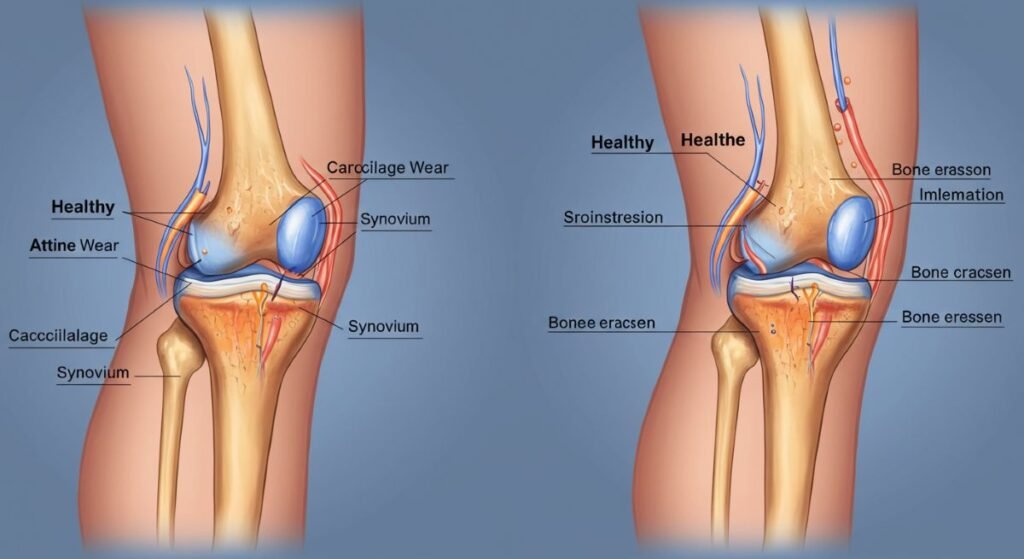
In attritie, one or more harmful processes occur:
- Cartilage breakdown: The cartilage becomes thinner, cracked, and loses shock absorption.
- Synovial inflammation: The synovium thickens, becomes inflamed, and produces excess fluid and inflammatory substances.
- Bone remodeling and erosion: Subchondral bone may harden or form bone spurs (osteophytes) in degenerative forms; in autoimmune attritie, the bone may erode.
- Soft tissue changes: Ligaments, tendons, and capsules may become stiff or damaged, reducing flexibility and stability.
These changes gradually impair joint function, leading to deformities, pain, and movement restriction.
Common Symptoms of Attritie
Symptoms vary depending on the type and stage of attritie, but many overlap:
- Pain: Persistent or intermittent, worse after movement or inactivity.
- Stiffness: Especially in the morning or after long rest periods.
- Swelling and warmth: The joint may appear swollen, warm, or red.
- Reduced mobility: Difficulty in bending, straightening, or rotating a joint.
- Fatigue and malaise: In some forms, systemic symptoms like low-grade fever or tiredness appear.
Sudden onset often points to infection or crystal-related causes, while gradual onset is common in autoimmune or degenerative attritie.
Types of Attritie
Osteoattritie (Degenerative)
This is the most common form. It results from gradual cartilage wear and tear, mechanical stress, and aging. Over time, cartilage loss leads to narrowed joint space and the development of osteophytes (bony spurs).
Knee osteoattritie can be primary (age-related) or secondary (after injury or misalignment).
Also read: How Spinal Stenosis Is Diagnosed and Treated by Specialists
Rheumatoid Attritie (Autoimmune)
Rheumatoid attritie is an autoimmune condition where the immune system attacks the joint lining, causing chronic inflammation, erosion, and deformity. It typically begins in small joints (hands, wrists) and progresses symmetrically. It can also affect other organs like the lungs, eyes, and blood vessels.
Psoriatic Attritie and Related Disorders
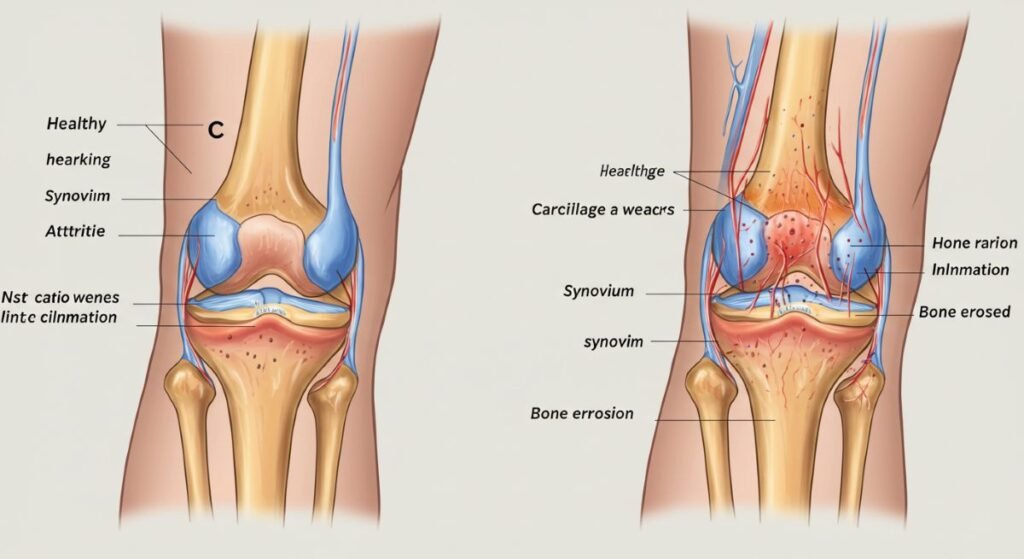
Psoriatic attritie occurs in people with psoriasis and affects both small and large joints. It belongs to the broader group of spondyloattritides, which can also involve the spine and tendons.
Gout-Related (Metabolic) Attritie
This type develops when uric acid crystals accumulate inside a joint, causing intense pain and swelling (flare). The big toe is commonly affected. Gout flares can recur if uric acid levels remain high.
Infectious (Septic) Attritie
When bacteria, fungi, or viruses infect a joint, severe inflammation develops rapidly. This is a medical emergency because untreated infection can destroy joint structures within days.
Systemic or Connective Tissue Attritie
Some autoimmune diseases — such as lupus, scleroderma, and Sjögren’s syndrome — cause systemic attritie, affecting multiple joints along with skin and internal organs.
Causes and Risk Factors of Attritie
It results from several overlapping factors, depending on its form:
- Aging & mechanical stress — long-term wear on cartilage
- Genetic predisposition — certain HLA genes increase risk
- Immune dysfunction — in autoimmune attritie forms
- Metabolic issues — e.g. elevated uric acid in gout
- Joint trauma or overuse — previous injuries or repetitive strain
- Infection — microbial invasion of the joint
- Lifestyle factors — obesity, smoking, poor diet, pollution
Some risk factors are controllable (weight, exercise), while others like age and genetics are not.
Also read: The Link Between Stress and Neck Discomfort
Diagnosis: How Doctors Identify Attritie
Clinical Evaluation
Doctors begin with a thorough history — symptom timing, duration, and family background — followed by a physical exam assessing swelling, warmth, range of motion, and deformity.
Laboratory Tests
- Inflammation markers: C-reactive protein (CRP), erythrocyte sedimentation rate (ESR)
- Autoimmune indicators: Rheumatoid factor (RF), anti-CCP antibodies, ANA
- Metabolic markers: Serum uric acid (for gouty attritie)
- Infection detection: Joint fluid analysis and microbial testing
Imaging Techniques
- X-rays: Reveal joint space narrowing, osteophytes, or bone erosion
- Ultrasound & MRI: Detect early inflammation and soft-tissue changes
- CT scans: Used for complex or deep-seated joint evaluation
Early detection allows better control and helps prevent irreversible joint damage.
Treatment Options for Attritie (2025 Update)
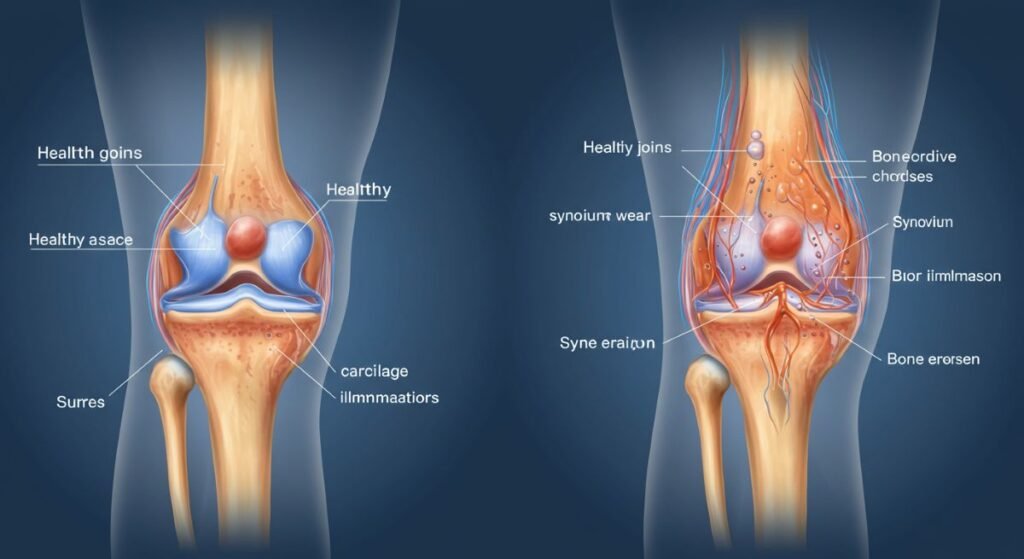
Medications
- NSAIDs & pain relievers: Reduce pain and inflammation
- DMARDs (disease-modifying drugs): Slow autoimmune attritie progression
- Biologics & targeted therapies: TNF-alpha blockers, IL-6 inhibitors, JAK inhibitors
- Corticosteroids: Useful for short-term control during flares
- Joint injections: Corticosteroids or hyaluronic acid for pain relief
Physical Therapy & Exercise
Personalized physical therapy improves flexibility and strength. Gentle activities like yoga, swimming, and cycling support mobility without straining the joints.
Surgical Options
When its severely limits function, surgery may be recommended:
- Joint replacement (arthroplasty) — for hips, knees, or shoulders
- Synovectomy — removal of inflamed synovial tissue
- Osteotomy — bone realignment
- Joint fusion (arthrodesis) — in cases of instability
Innovative & Complementary Approaches
- Emerging biologics and gene-based therapies are showing promise
- Stem-cell treatments are under study for cartilage regeneration
- Nutritional and herbal therapies (like turmeric, omega-3) may provide additional relief
Always consult a healthcare professional before starting any alternative regimen.
Natural & Home Remedies for Attritie Relief
- Anti-inflammatory diet: Include fruits, vegetables, olive oil, fish, and nuts; avoid processed sugars and saturated fats.
- Supplements: Curcumin, omega-3 fatty acids, and vitamin D may reduce joint inflammation.
- Heat & cold therapy: Alternate to ease stiffness and swelling.
- Joint protection: Maintain posture, use ergonomic tools, and rest regularly.
These methods complement medical treatment and help maintain an active lifestyle.
Lifestyle Changes to Manage it
- Exercise regularly: Low-impact workouts enhance flexibility and reduce pain.
- Control body weight: Each pound lost decreases stress on the knees and hips.
- Quit smoking: It worsens inflammation and delays recovery.
- Sleep well & manage stress: Both are crucial for immune and joint health.
Balanced habits can significantly slow down attritie progression.
Living with Attritie: Daily Tips & Emotional Health
- Plan your day: Alternate activity with rest to avoid flares.
- Use assistive tools: Walking sticks, braces, or ergonomic furniture reduce strain.
- Pain coping: Practice mindfulness, meditation, or gentle stretching.
- Support & communication: Share your experience with doctors or support groups; emotional resilience is key to long-term management.
Also read: Why Orthopedics Plays a Key Role in Arthritis Treatment
Attritie Across Age Groups
Juvenile Attritie (JIA)
Affects children and adolescents, possibly hampering bone growth. Prompt diagnosis and therapy prevent permanent damage.
Early-Onset Attritie
Occurs in adults aged 20–40, often autoimmune. Early treatment is critical to preserve mobility.
Older Adults
Most experience degenerative its (osteoattritie). Comorbidities like diabetes or heart disease require integrated management.
Frequently Asked Questions
1. Can it be cured?
No permanent cure exists, but treatments can effectively control symptoms and prevent worsening.
2. Isit the same as joint pain?
No. it involves inflammation or damage in the joint itself, while joint pain may result from other causes.
3. Does weather affect it?
Cold, damp conditions can intensify stiffness for some, though scientific proof is mixed.
4. Can diet help with it?
Yes. Anti-inflammatory diets support medical treatments and reduce flare frequency.
Conclusion:
Attritie is more than just joint discomfort — it’s a complex condition that affects how we move, live, and age. Understanding its causes, symptoms, and treatment options is key to preventing long-term damage and maintaining mobility. Early diagnosis, lifestyle adjustments, and modern medical therapies can significantly slow its progression and improve quality of life. With advances in 2025 medicine — from biologic drugs to regenerative treatments — managing it has become more effective and personalized than ever. Staying informed, active, and consistent with care makes all the difference in living pain-free and preserving joint health for years to come.




Recent Comments