



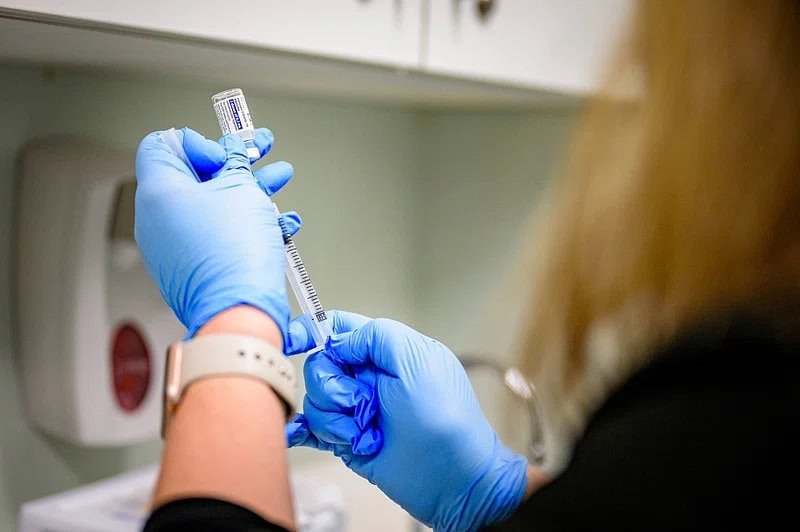
Vaccination can often feel like just another thing on a busy parent’s checklist. Yet when it comes to the flu, annual immunization plays a particularly practical role. For children, flu shots help reduce the chances of seasonal illness and contribute to a healthier school year. Understanding the reasons behind these recommendations can help you make informed decisions for your child.
Why Do Kids Need Flu Shots?
Young children have developing immune systems, which can make them more susceptible to illnesses like the flu. Exposure to the flu at school, daycare, or during playdates can quickly spread among children, as they tend to spend time in shared environments where germs circulate easily. The flu is different from the common cold—it can affect kids more severely and may lead to complications requiring additional care.
Getting a flu shot can proactively reduce your child’s risk of falling sick during flu season. Immunization trains the body to identify and respond to viruses, offering a layer of protection that can help shield them as they interact with others. For households with multiple children, vaccinations can help avoid situations where illnesses spread amongst siblings, keeping more of the family healthy at the same time.
Does the Shot Protect School Attendance?
Flu-related absences can disrupt a child’s learning and family routines. Missing multiple days of school due to illness means catching up on lessons, incomplete assignments, and time away from friends and activities. For working parents, managing care for a sick child may also require taking time off from their jobs and rearranging schedules.
The flu shot may help prevent these interruptions by lowering the chances of your child falling ill or shortening the duration if they do. This translates into fewer missed school days and overall smoother routines for many families. By staying healthy, children can maintain their participation in both educational and social activities, supporting consistency as they grow.
What If My Child Gets Sick?
Despite receiving the flu shot, no immunization eliminates the chance of illness entirely. A vaccinated child may still experience the flu but is less likely to face severe symptoms. This means they may recover more quickly and have a milder experience overall. Staying up-to-date with their vaccinations can prevent complications that might otherwise arise. Parents can also take practical measures, such as teaching good handwashing habits and encouraging their child to avoid touching their face, to reduce exposure. If your child displays flu-like symptoms, consulting their pediatrician and keeping them home helps promote recovery while also limiting exposure for others in their community.
Consult a Pediatrician
Deciding what’s best for your child’s health isn’t always straightforward. If you have concerns or specific questions about the flu or vaccines, your pediatrician can offer guidance tailored to your family’s needs. Talk to your child’s doctor to find out when and where flu shots are available in your area. Making this part of your seasonal routine is a manageable way to safeguard your child’s health and support their overall well-being through the year. Contact your pediatrician to learn more and schedule an appointment today.
- Obligation Linéaire: Complete Guide to Meaning, Use, Finance & Law
- Tarnplanen: The Complete 2025 Guide to Smart Planning for Success
- Ryan Trahan Net Worth: Full Breakdown of His Income, Career & Success
- Serlig: Complete Guide to Meaning, Benefits, Uses, Lifestyle & Modern Wellness Approach
- Escapamento RD: Complete Guide, Performance, Types, Installation & Maintenance






Recent Comments