




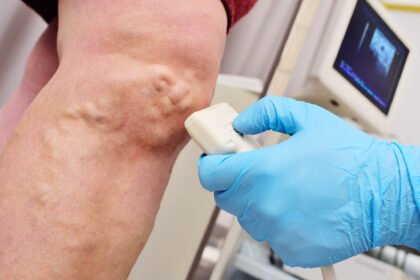
When patients visit a vein center, they often bring years of discomfort, uncertainty, and unanswered questions. Conditions like varicose veins, chronic venous insufficiency, and spider veins can develop gradually and become more visible or painful over time. For many, these changes feel cosmetic at first, but the physical effects—swelling, heaviness, itching, fatigue—can become disruptive. Without the right information, patients may delay seeking treatment or fail to recognize how vein disease progresses. That’s where patient education becomes a key part of care. At a quality vein center, treatment begins not with a procedure, but with a clear conversation.
Clarifying Medical Terms
Vein health involves terminology and anatomy that most patients haven’t encountered before. Words like “saphenous vein reflux” or “endovenous thermal ablation” can sound foreign, even intimidating. If a patient doesn’t fully grasp the meaning of their diagnosis or the purpose of a treatment plan, they may hesitate to move forward or misunderstand what results to expect. Providers at a vein center bridge this knowledge gap by translating complex ideas into plain language. They take the time to walk through what’s happening inside the body and how different options might correct the underlying problem. This approach leads to more informed, confident decisions.
Effective patient education does more than clarify conditions—it builds trust. Many individuals who seek help at a vein center have lived with visible symptoms for years. They may feel frustrated, embarrassed, or even skeptical about whether anything can be done. Providers who prioritize education send a clear message: You deserve to understand your health.
That transparency can calm fears and empower patients to ask better questions. Whether the focus is diagnostic imaging, compression therapy, or a minimally invasive treatment, people respond better when they know what’s happening, why it’s happening, and how their choices influence recovery.
Supporting Shared Decisions
Shared decision-making is a hallmark of excellent care. Rather than simply prescribing a path forward, a vein center that values education invites patients to weigh options. In some cases, conservative therapies may provide adequate relief. In others, image-guided procedures can close malfunctioning veins and restore circulation more efficiently. With education at the center, patients can align medical choices with their comfort level, lifestyle, and goals. They’re also better prepared to follow through with post-procedure instructions, which directly affects outcomes.
Another critical aspect of education is setting appropriate expectations. Treating vein disease doesn’t always produce instant results. Swelling may take time to subside. Skin changes can improve gradually. In many cases, multiple sessions or follow-up evaluations are part of the full plan. Providers at a vein center explain this timeline clearly, helping patients avoid disappointment and stay committed to long-term healing. Knowing what’s typical—and what’s not—helps patients track their progress, flag new concerns, and remain engaged in their care plan.
Reducing Treatment Anxiety
Fear often holds people back from seeking help. They might have heard that vein procedures are painful or require long downtime. They may worry about scarring or side effects. Accurate, clear education helps dispel these fears. Most modern treatments are minimally invasive, performed in outpatient settings, and require little recovery time. When patients understand what to expect—before, during, and after—they’re far more likely to follow through. Vein center staff often use diagrams, videos, and in-person consultations to explain the process and reduce anxiety. This level of preparation makes treatment days smoother and more successful for everyone involved.
Visit a Vein Center
The difference between a good medical visit and a great one often comes down to how respected and informed the patient feels. A vein center that emphasizes education shows that it values the whole person—not just the procedure. When patients leave feeling heard, supported, and equipped with knowledge, they’re more likely to return for future care, recommend the practice to others, and continue making choices that support their vein health.
- Obligation Linéaire: Complete Guide to Meaning, Use, Finance & Law
- Tarnplanen: The Complete 2025 Guide to Smart Planning for Success
- Ryan Trahan Net Worth: Full Breakdown of His Income, Career & Success
- Serlig: Complete Guide to Meaning, Benefits, Uses, Lifestyle & Modern Wellness Approach
- Escapamento RD: Complete Guide, Performance, Types, Installation & Maintenance



Recent Comments