



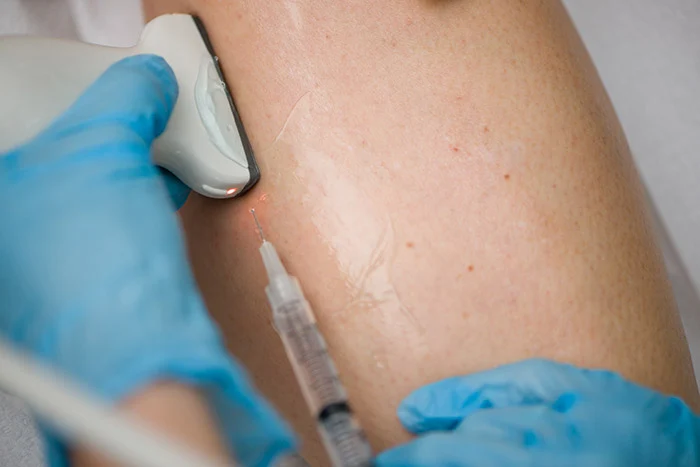
At first, spider veins might seem like nothing more than a cosmetic issue; tiny, web-like lines on your legs or face that are easy to overlook. Over time, they can become more noticeable, cause discomfort, or even signal an underlying circulation problem. Knowing the signs to watch for and the treatment options available can help you make the right decision for both your health and confidence.
Signs It’s Time to See a Doctor
Several symptoms indicate that spider veins require medical attention beyond cosmetic treatment. Here are some of them:
- Pain at the spider vein site: This discomfort may manifest as burning, aching, or throbbing sensations, particularly after prolonged periods of standing or sitting.
- Swelling: Swelling, often occurring in the legs and feet, can signal circulation problems. This swelling may worsen throughout the day but improve with leg elevation. Persistent swelling requires medical assessment to exclude vascular conditions.
- Skin changes near thread veins: Discoloration, such as brown or dark patches, can indicate chronic blood pooling. Open sores or ulcers in the area require immediate medical attention. Persistent itching or burning sensations around the veins also warrant evaluation.
- Bleeding: Although rare, bleeding from spider veins often indicates a weakness in the vessel walls. Any bleeding from visible leg veins should prompt immediate medical consultation.
- Family history of venous disease: A family history involving blood clots, varicose veins, or circulation problems increases the risk of vascular complications. Early medical evaluation can be beneficial in identifying and addressing issues related to these genetic predispositions.
Identifying these symptoms early and seeking professional care can prevent complications and enable timely treatment for underlying vascular problems.
Treatment Options
Medical professionals offer several effective treatments for problematic spider veins. Endovenous laser therapy uses focused light energy to destroy damaged vessels. This minimally invasive treatment works well for larger thread veins. Patients experience minimal downtime and return to normal activities quickly after treatment.
Lifestyle modifications support vein health and prevent further spider vein development. Regular exercise improves circulation and strengthens leg muscles. Weight management reduces pressure on leg veins. Compression stockings also provide external support and enhance blood flow back to the heart.
Why Prompt Medical Attention Matters
Early medical intervention prevents thread vein progression to serious conditions. Untreated vascular problems may worsen over time. What begins as a cosmetic concern may develop into painful symptoms or complications. Professional evaluation identifies underlying circulation issues before they become severe.
Medical assessment also rules out serious vascular conditions. Some symptoms attributed to spider veins may indicate blood clots or other circulation disorders. Healthcare providers use specialized testing to distinguish between cosmetic concerns and medical issues that require treatment. Prompt treatment provides better cosmetic outcomes.
Schedule a Spider Veins Consultation Now
Spider veins require medical attention when they cause pain, swelling, or skin changes. Bleeding from visible leg veins needs immediate evaluation. Family history of vascular disease also warrants professional assessment. Healthcare providers offer multiple effective treatments for problematic thread veins. A professional evaluation determines the most suitable treatment approach for your specific situation. Contact a vascular specialist to schedule your evaluation for thread veins.
- Obligation Linéaire: Complete Guide to Meaning, Use, Finance & Law
- Tarnplanen: The Complete 2025 Guide to Smart Planning for Success
- Ryan Trahan Net Worth: Full Breakdown of His Income, Career & Success
- Serlig: Complete Guide to Meaning, Benefits, Uses, Lifestyle & Modern Wellness Approach
- Escapamento RD: Complete Guide, Performance, Types, Installation & Maintenance






Recent Comments