



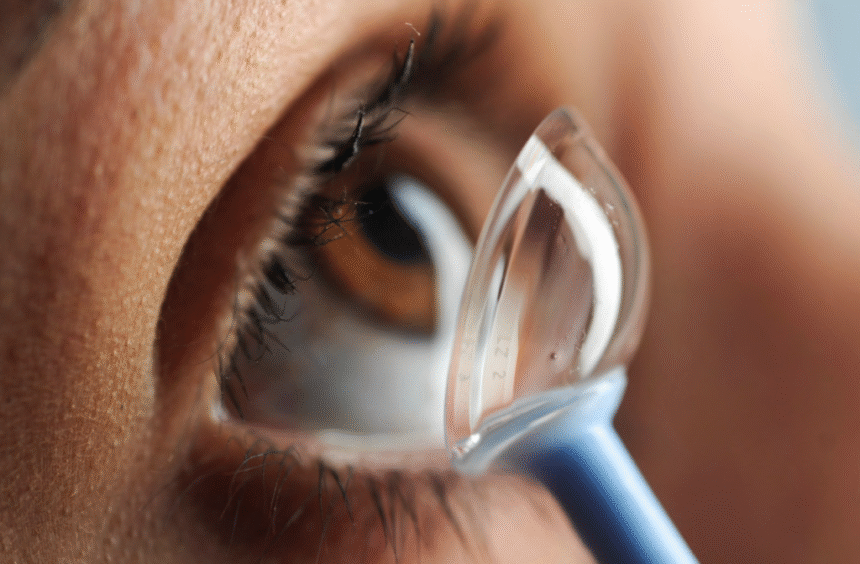
When you’re exploring contact lenses, getting the right fit from an optometrist is key. Beyond comfort, a proper fitting protects the health of your eyes and maximizes the benefits of wearing lenses. Here are five things to know about the process:
1. How Are They Fitted?
Contact lenses sit directly on the cornea, which is a delicate and sensitive part of the eye. If a lens doesn’t fit properly, it can cause discomfort or even harm your eye. For example, lenses that are too tight might restrict oxygen flow, while loose lenses can shift out of position and affect your vision.
To provide a good fit, your optometrist will measure the curve and diameter of your cornea. These measurements help find lenses that match your eye’s shape. When fitted correctly, your lenses will stay securely in place during daily activities, providing comfort and clear vision.
2. How Are Eyes Measured?
Eye measurements go beyond just testing how clearly you see. During a fitting, your optometrist uses special tools to examine the shape and size of your cornea. Your tear film also matters; if you have dry eyes, you might need lenses with higher moisture content for daily comfort. Thanks to advanced technology and precise measurements, your optometrist customizes the fitting process to your individual needs, leading to ideal results.
3. What Are Trial Lenses?
Once your measurements are taken, your optometrist will usually give you trial lenses. These lenses help evaluate comfort and clarity in actual use. During this phase, pay attention to how your eyes feel after wearing the lenses for several hours. Redness, irritation, or other issues may suggest adjustments are needed.
You may also receive instructions on how to insert, remove, and clean your lenses properly, which helps you get used to wearing them. Don’t hesitate to share any concerns during this process, as adjustments are a normal part of the journey.
4. Are All Lenses Equal?
Not all contacts are the same. Soft lenses, rigid lenses, and specialty designs each have their own purpose. Your vision needs, daily activities, and eye health will influence which type of lenses your optometrist recommends. If you wear lenses for long hours, breathable materials that let more oxygen reach your eyes can be helpful. Choosing the right lens type for your routine provides better comfort and long-term eye health.
5. What Happens After Fitting?
Adjustments might still be needed even after your first fitting. Follow-up visits are normal and allow your optometrist to see how your eyes are responding. For example, they might change the lens curvature or suggest a different material to better suit you.
At home, keep track of how comfortable your eyes feel. This can help catch early signs of problems like dryness or irritation. Also, practicing good lens hygiene is very important. This includes cleaning your lenses properly, replacing them as scheduled, and storing them correctly.
Find an Optometrist Near You
Finding the right contact lens fit can take a few steps, but the process is all about your comfort and eye health. It involves customized measurements, trying out different lenses, and follow-up care. Each step works together to make the experience smooth. By paying attention to details and communicating openly with your optometrist, you’ll find a fit that supports your vision.
- Obligation Linéaire: Complete Guide to Meaning, Use, Finance & Law
- Tarnplanen: The Complete 2025 Guide to Smart Planning for Success
- Ryan Trahan Net Worth: Full Breakdown of His Income, Career & Success
- Serlig: Complete Guide to Meaning, Benefits, Uses, Lifestyle & Modern Wellness Approach
- Escapamento RD: Complete Guide, Performance, Types, Installation & Maintenance






Recent Comments