



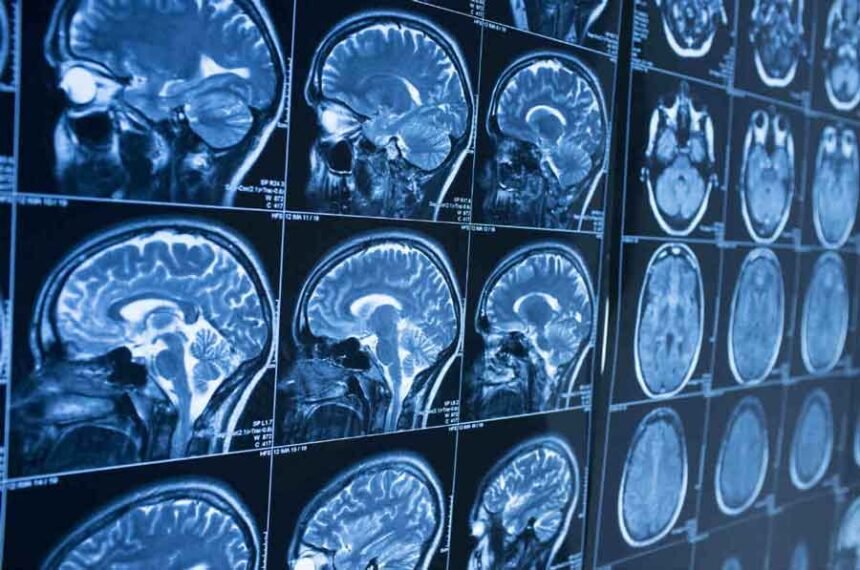
Brain surgery can be a necessary step for healing and recovery. For patients and their families, it is natural to have questions for a brain surgeon about what the process entails. A better understanding of the purpose of brain surgery, the preparation involved, and the recovery process can help reduce uncertainty and allow patients to approach the procedure with clarity.
What Is Brain Surgery For?
Brain surgery encompasses various procedures designed to treat conditions that affect the brain, spinal cord, or surrounding structures. A brain surgeon may recommend it for several medical reasons, including treating tumors and addressing traumatic injuries. One of the most common reasons for brain surgery is the removal of brain tumors, either benign or malignant. While not all tumors require surgical intervention, those that are causing symptoms or affecting key functions may be removed.
Brain surgery is also employed to manage neurological disorders when other treatments have not been effective. Individuals who have experienced traumatic brain injuries are sometimes treated surgically to address bleeding. No matter the underlying cause, the decision to undergo brain surgery is made carefully, often requiring input from neurologists, surgeons, and other specialists.
What Occurs Before It?
The preparation phase for brain surgery is meticulous and designed to assess readiness and minimize potential risks. Before the procedure, patients often undergo a series of diagnostic tests, including imaging techniques such as MRI or CT scans. These tests allow surgeons to evaluate the precise nature of the condition and plan the surgery accordingly. Patients are typically given detailed instructions regarding what to do in the days leading up to the surgery. This might involve personal preparations for the hospital stay. Some people may find it helpful to meet with the surgical team in advance to ask questions, learn about the procedure, and understand what to expect during their recovery.
What Happens After?
After brain surgery, recovery follows a structured path, though it can vary depending on the type of procedure performed and the individual’s unique situation. Initially, patients are moved to a recovery area, where they are closely monitored as anesthesia wears off. Medical professionals check for any immediate signs of complications. Some patients may experience temporary symptoms like disorientation in the days following the surgery. These effects generally subside with proper care and management. Pain relief, anti-inflammatory medications, and other therapies may be used to support recovery.
Depending on the extent of the surgery and the condition being treated, rehabilitation might be recommended as part of the recovery process. This can include physical therapy, speech therapy, or occupational therapy, aiming to restore function and support the transition back to daily activities. Ongoing follow-up appointments with healthcare providers are a key component of post-surgical care.
Speak With a Brain Surgeon
Brain surgery is a complex procedure carried out to address a range of medical conditions. If you have been referred for evaluation, speaking with a brain surgeon can provide personalized insights into your care. These specialists can explain the details of your specific case, answer questions, and help guide you through the path forward to recovery.
- Obligation Linéaire: Complete Guide to Meaning, Use, Finance & Law
- Tarnplanen: The Complete 2025 Guide to Smart Planning for Success
- Ryan Trahan Net Worth: Full Breakdown of His Income, Career & Success
- Serlig: Complete Guide to Meaning, Benefits, Uses, Lifestyle & Modern Wellness Approach
- Escapamento RD: Complete Guide, Performance, Types, Installation & Maintenance






Recent Comments