



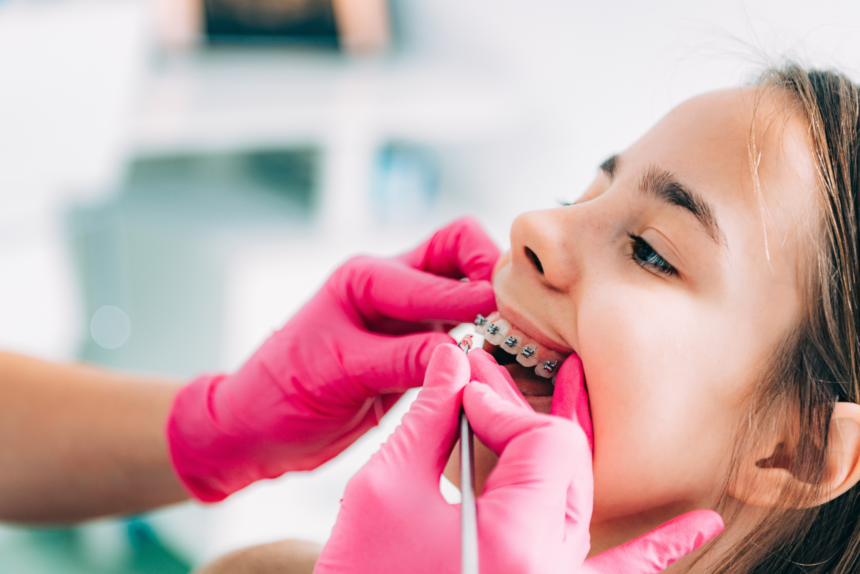
When teeth overlap, teens often struggle to reach some areas during routine oral care like brushing and flossing. Orthodontics helps improve tooth alignment and manage spacing issues in these situations. Regular checkups allow providers to monitor mouth and jaw development, guiding decisions on when to begin orthodontic care.
Misaligned teeth often cause irregular wear patterns and change how the upper and lower teeth come together. Providers can track alignment concerns as your teen grows and develops. After a thorough dental evaluation, the provider may recommend orthodontic care. They can then create a treatment plan based on findings from the exam and the potential challenges that misalignment is causing.
Difficulty Chewing or Speaking
Teens sometimes face challenges with chewing or speaking because of tooth or jaw alignment. If your child struggles to bite into food or feels discomfort while chewing, schedule an assessment. Speech patterns like lisping or unclear pronunciation may also be connected to jaw or tooth alignment. An orthodontic evaluation can explore whether these issues stem from alignment problems.
As providers examine jaw and tooth positions, they may notice specific patterns affecting speech or chewing. They often recommend orthodontics when these functions seem impacted by alignment. Each teen receives an individualized plan based on their unique needs. During consultations, providers explain suggested treatments and answer questions about the process.
Frequent Jaw Pain or Discomfort
Some teens mention frequent jaw or facial discomfort, which may signal the need for an orthodontic review. Clicking sounds when opening or closing the mouth or recurring headaches often relate to how teeth or jaws align. These issues sometimes involve the bite or jaw movement during chewing and speaking. Providers use a full dental and jaw assessment to decide if orthodontics fits the situation.
Take note of any jaw tension or pain that interferes with eating or talking. Bring these concerns to a provider who can evaluate potential causes. After completing the exam, the provider shares possible next steps for treatment. Continue monitoring any symptoms with your orthodontic provider to help guide future care.
Gaps Between Teeth or Protruding Teeth
Large gaps or teeth that stick out often become noticeable during daily interactions or while smiling. Routine dental visits provide opportunities to observe these features over time. Since spacing and positioning differ from person to person, orthodontics may help adjust these concerns. Providers use consultations to decide whether treatment makes sense for your teen, and then design a plan to correct these concerns.
When the bite feels off or some teeth protrude, brushing and flossing may require extra care. Orthodontic tools and methods help shift teeth into better positions for improved function. Follow-up visits allow them to track progress and make changes if needed.
Start Orthodontics Early
Orthodontics begins at different stages depending on how a teen’s mouth grows and changes. Early evaluations help families and providers plan care as needed. Reach out to your provider to schedule a consultation and discuss alignment or bite questions. Together, you can develop a care plan that supports your teen’s development and comfort.
- Obligation Linéaire: Complete Guide to Meaning, Use, Finance & Law
- Tarnplanen: The Complete 2025 Guide to Smart Planning for Success
- Ryan Trahan Net Worth: Full Breakdown of His Income, Career & Success
- Serlig: Complete Guide to Meaning, Benefits, Uses, Lifestyle & Modern Wellness Approach
- Escapamento RD: Complete Guide, Performance, Types, Installation & Maintenance





Recent Comments