



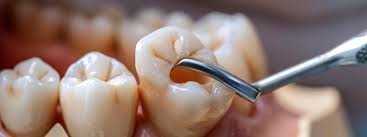
Modern dentistry offers several effective alternatives to dental extractions that can preserve your natural teeth while addressing serious dental issues. These treatment options focus on restoring damaged teeth rather than removing them, maintaining your natural bite alignment and jaw structure for long-term functionality. Understanding these alternatives can help you make informed decisions about your dental care and potentially avoid the complications that can arise from missing teeth, such as bone loss and shifting of other teeth.
Root Canal
Root canal therapy is an alternative to dental extractions that is specifically designed to save severely infected or damaged teeth. The procedure involves removing infected or inflamed pulp from inside the tooth, as well as cleaning and disinfecting the root canals. The canals are then sealed to prevent further infection. By addressing the issue at its core, root canal therapy alleviates pain and preserves the natural tooth structure. This is beneficial for maintaining proper chewing function and jaw alignment. With good oral hygiene, proper care, and regular dental checkups, teeth treated with root canal therapy can function normally for decades.
Crowns
Dental crowns are a reliable way to restore damaged teeth while preserving their structure. A crown encases the tooth above the gum line, providing strength, protection, and restoring function. This treatment is ideal for teeth with large fractures, severe decay, or weakness after dental procedures. Placement usually takes two visits. The first visit involves preparing the tooth, taking impressions, and fitting a temporary crown. The second visit is when the custom-made permanent crown is placed.
Modern crowns are made from materials like porcelain, ceramic, metal alloys, or combinations of these. Porcelain and ceramic crowns blend seamlessly with natural teeth, making them ideal for front teeth. Metal or porcelain-fused-to-metal crowns are more durable and ideal for back teeth that handle heavy chewing. Each material is chosen based on its strength, appearance, and compatibility with the patient’s needs.
Bridges
Dental bridges are a permanent solution for replacing one or more missing teeth. They work by using crowns placed on healthy teeth to support artificial teeth, effectively filling the gap. Unlike removable dentures, bridges function just like natural teeth, allowing you to maintain proper jaw alignment and prevent the shifting of adjacent teeth.
Getting a dental bridge involves several steps. First, the dentist reshapes the anchor teeth to fit the supporting crowns. Then, they take impressions of your teeth to create a precise fit for the bridge. Once placed, the bridge distributes chewing forces evenly, providing a stable and durable replacement for missing teeth. They are a durable and reliable option, often lasting many years with proper care and maintenance.
Explore Alternatives to Dental Extractions
These alternatives to extraction offer proven methods for addressing severe tooth problems while preserving your natural smile and oral health. Each treatment option offers distinct benefits tailored to your individual situation and the severity of tooth damage. Working with an experienced dental professional helps you receive the most appropriate treatment for your specific needs and circumstances. Schedule a consultation with your dentist to discuss which alternative might be the best solution for your dental concerns.
- Obligation Linéaire: Complete Guide to Meaning, Use, Finance & Law
- Tarnplanen: The Complete 2025 Guide to Smart Planning for Success
- Ryan Trahan Net Worth: Full Breakdown of His Income, Career & Success
- Serlig: Complete Guide to Meaning, Benefits, Uses, Lifestyle & Modern Wellness Approach
- Escapamento RD: Complete Guide, Performance, Types, Installation & Maintenance





Recent Comments