



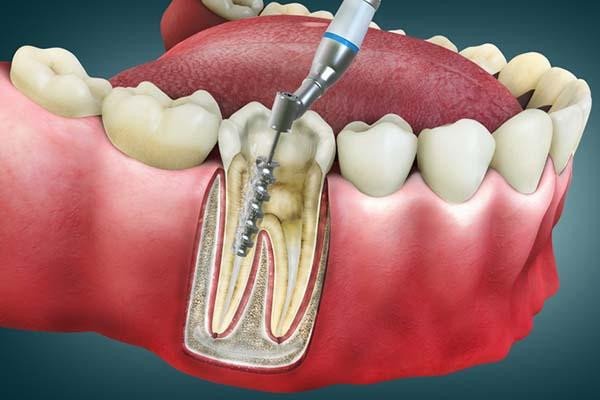
Root canals are a routine dental treatment designed to alleviate pain and save teeth with damaged or infected pulp. With proper understanding and preparation, undergoing a root canal can be much less daunting than it sounds. Here is more information on the process, what to expect during the procedure, and how to care for your teeth afterward:
Understanding the Procedure
A root canal treats an infected or damaged pulp, which is the soft tissue inside your tooth that contains nerves and blood vessels. The goal of the procedure is to remove the infection, clean the area, and seal the tooth to prevent further issues. Dentists begin by numbing the area around the affected tooth using local anesthesia to eliminate discomfort during the procedure.
Once the tooth is fully numbed, the dentist creates an opening in the crown of the tooth to access the pulp chamber. Specialized tools are then used to remove the infected or damaged pulp. After cleaning out the pulp, the dentist treats the root canals with an antimicrobial solution. This step kills any remaining bacteria and reduces the risk of reinfection.
Once the canals are disinfected, the dentist fills them with a rubber-like material called gutta-percha, which helps seal the space. A temporary filling is then placed on the tooth to protect it until a permanent crown is fitted. The final step often involves placing a dental crown, which reinforces the tooth’s structure and restores its full function. The crown also provides additional protection, preventing further damage or fracture.
Knowing What to Expect
During the procedure, patients typically remain comfortable due to the anesthetic used. The dentist might also use advanced techniques like dental dams to isolate the tooth, improving precision and cleanliness. Most patients report that the experience feels similar to getting a large filling, with minimal pain or discomfort. After the procedure, mild soreness around the treated area is common. This soreness usually resolves within a few days and can often be managed with over-the-counter pain relievers like ibuprofen or acetaminophen. Some swelling may also occur, but usually subsides shortly.
Exploring Aftercare
Proper aftercare plays a major role in preserving the health of your treated tooth and maintaining overall oral health. Patients should avoid chewing on the treated tooth until the permanent crown is in place, as the tooth remains slightly vulnerable until fully restored. Daily oral hygiene remains a top priority. Brushing twice and flossing once each day keeps bacteria from accumulating around the treated tooth. Use a soft-bristled toothbrush and fluoride toothpaste for optimal cleaning that minimizes wear on the crown.
Regular cleanings and exams allow your dentist to monitor the treated tooth and make sure it stays in good condition. Dentists can also address any signs of wear or complications before they escalate. Diet choices affect oral health significantly after a root canal. Limiting sugary and acidic foods reduces the risk of future decay. Drinking water throughout the day helps clean your teeth naturally and supports a healthy oral environment.
Learn More About a Root Canal
Root canals are an effective way to eliminate infection and save damaged teeth. Understanding the procedure, what to expect, and how to care for your treated tooth afterward can make the process less intimidating. By following post-treatment care instructions and practicing good oral hygiene, you enhance the longevity of your restored tooth. If you have any questions or concerns about root canals, consult your dentist for personalized guidance. Regular checkups remain key for maintaining both your treated tooth and your overall oral health.
- Obligation Linéaire: Complete Guide to Meaning, Use, Finance & Law
- Tarnplanen: The Complete 2025 Guide to Smart Planning for Success
- Ryan Trahan Net Worth: Full Breakdown of His Income, Career & Success
- Serlig: Complete Guide to Meaning, Benefits, Uses, Lifestyle & Modern Wellness Approach
- Escapamento RD: Complete Guide, Performance, Types, Installation & Maintenance




Recent Comments