



In recent years, the Armor Correctional Health Services lawsuit has drawn widespread attention across the United States. The controversy revolves around the company’s role in providing medical services within correctional facilities and the allegations of neglect, poor healthcare standards, and even wrongful deaths. This case not only raises questions about inmate healthcare but also sheds light on the ethical responsibilities of private contractors operating in public correctional systems.
What Is Armor Correctional Health Services?
Armor Correctional Health Services (ACHS) is a private healthcare provider that offers medical, mental health, and dental care to inmates in jails and prisons across the country. Founded in 2004, the company aimed to improve correctional healthcare by offering cost-effective and efficient medical solutions to state and county facilities. For years, ACHS served multiple jurisdictions and grew rapidly — but with growth came controversy.
Background Of The Lawsuit
The Armor Correctional Health Services lawsuit emerged after numerous reports accused the company of negligence, medical malpractice, and systemic mistreatment of inmates. These allegations were not isolated — several states and counties reported similar incidents involving inadequate care, delayed treatment, and even fatal outcomes. Families of affected inmates and civil rights groups began filing lawsuits, claiming the company prioritized profit over patient care.
Major Allegations Against Armor Correctional Health Services
The lawsuits against ACHS included claims such as:
- Failure to provide timely medical care for serious conditions.
- Improper medication administration.
- Neglect of mental health patients.
- Lack of proper staffing and training.
- Poor response to medical emergencies.
These accusations led to major investigations by both local and federal authorities, exposing serious flaws in the way correctional healthcare was being managed.
Key Cases In The Armor Correctional Health Services Lawsuit
The Milwaukee County Case
One of the most notable lawsuits came from Milwaukee County, Wisconsin, where several inmates reportedly died under ACHS care. The county accused the company of systematic neglect, leading to preventable deaths. The resulting settlement cost the company millions and permanently damaged its reputation.
The Florida Investigations
In Florida, Armor faced similar accusations. Inmates alleged that medical staff ignored critical symptoms, leading to deteriorating health conditions. State officials investigated and found violations of healthcare standards, reinforcing claims of inadequate service delivery.
Impact On Inmates And Families
The human impact of the Armor Correctional Health Services lawsuit cannot be overstated. Many families of inmates have come forward with stories of suffering and loss. They claim that inmates, despite being under state care, were denied basic medical attention. Some families reported that they were not informed about their loved ones’ conditions until it was too late. These emotional and tragic experiences have become a rallying point for prison reform advocates pushing for accountability.
Government Response And Legal Actions

The lawsuit prompted state and federal interventions, with government agencies reviewing contracts with private healthcare companies. Some counties terminated their agreements with ACHS, citing repeated violations and lack of transparency. In certain states, courts ordered financial penalties, and company executives faced increased scrutiny. The broader outcome has been a national conversation on the role of privatization in correctional systems.
Public Reaction And Media Coverage
The media played a key role in exposing the details of the Armor Correctional Health Services lawsuit. Investigative journalists uncovered patterns of neglect and underfunding, bringing the company under public scrutiny. News outlets featured interviews with former employees, healthcare professionals, and affected families — highlighting the urgent need for reform in prison healthcare practices.
The Ethical Debate: Profit vs. Care
The lawsuit reignited debates around whether profit-driven healthcare can coexist with ethical medical practices, especially in vulnerable populations like inmates. Critics argue that privatization incentivizes cost-cutting, which often compromises patient welfare. Supporters, however, claim that private firms like Armor can offer innovative solutions if regulated properly. The core issue lies in balancing cost efficiency with human rights.
Reforms Triggered By The Lawsuit
Despite the controversies, the lawsuit led to several positive reforms:
- Enhanced oversight of private healthcare contractors.
- Stricter compliance requirements in correctional facilities.
- Mandatory reporting of medical negligence cases.
- Improved training programs for healthcare staff in prisons.
These measures aim to prevent future tragedies and restore trust in the correctional healthcare system.
Lessons Learned From The Armor Case
The Armor Correctional Health Services lawsuit serves as a cautionary tale for other healthcare providers and government agencies. It teaches that accountability and transparency are non-negotiable in healthcare, especially when dealing with marginalized populations. It also emphasizes the importance of continuous monitoring, ethical management, and prioritizing patient welfare over profits.
The Current Status Of Armor Correctional Health Services
Following years of lawsuits and investigations, Armor Correctional Health Services has either lost or withdrawn from several state contracts. Some counties replaced it with new healthcare providers, while others brought services back under government management. The company continues to operate in limited jurisdictions but faces ongoing lawsuits and public criticism.
How The Lawsuit Changed Prison Healthcare Policies
After the lawsuit, many states revised their contracting policies with private medical providers. Key changes included:
- Requiring transparent performance reports.
- Increasing independent audits of healthcare quality.
- Establishing complaint hotlines for inmates and families.
These policy shifts mark an important step toward accountability and highlight the growing demand for ethical correctional care in the United States.
Voices Of Reform: Advocacy And Awareness
Organizations like the American Civil Liberties Union (ACLU) and Prison Legal News have used the Armor case to campaign for broader prison healthcare reforms. They argue that healthcare is a constitutional right — not a privilege — even for incarcerated individuals. These advocacy efforts have led to new legislation and improved awareness among policymakers and the general public.
Financial Implications Of The Lawsuit
The Armor Correctional Health Services lawsuit resulted in multi-million-dollar settlements and legal costs. These financial penalties sent a clear message to the industry: cutting corners on healthcare can lead to severe consequences. Moreover, several local governments began reassessing their reliance on private contractors, citing cost inefficiencies and ethical concerns.
What The Future Holds For Correctional Healthcare
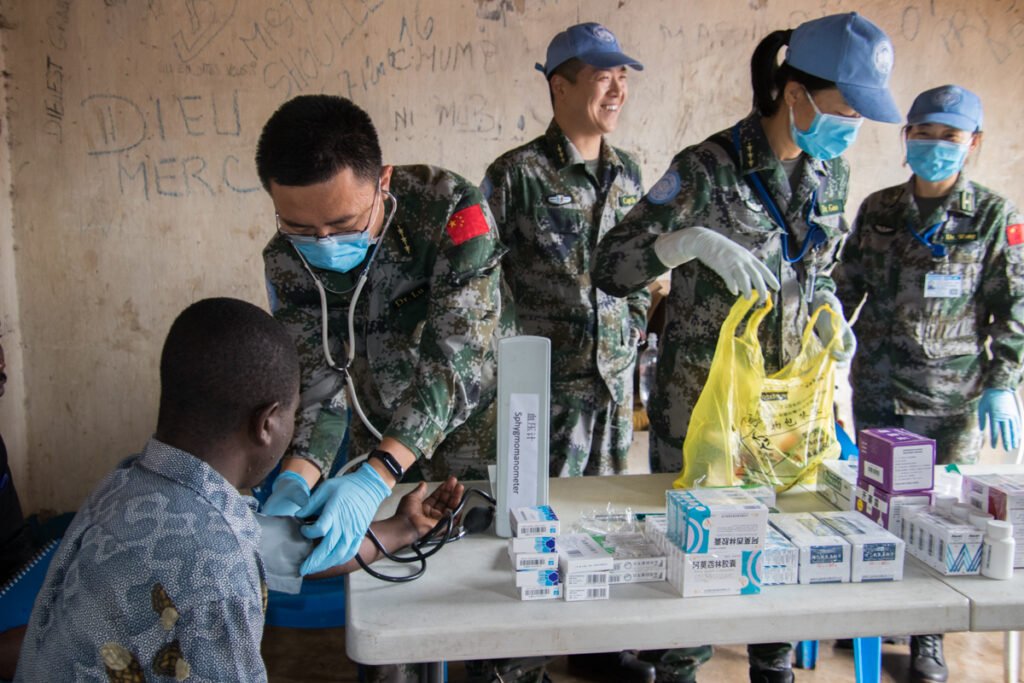
The lawsuit has sparked innovation in how correctional healthcare is delivered. Some states are adopting hybrid models — combining public oversight with private innovation. Digital health technology, telemedicine, and AI-based monitoring are also being introduced to ensure consistent and accountable medical care for inmates. The long-term vision is to create a system that is both cost-effective and compassionate.
How Citizens Can Advocate For Change
Citizens can play a major role in improving correctional healthcare by:
- Supporting organizations fighting for prison reform.
- Raising awareness through social media and community forums.
- Encouraging policymakers to implement stricter oversight.
Public pressure has proven to be an effective tool in bringing about legislative and institutional change in many states.
FAQs About Armor Correctional Health Services Lawsuit
1. What Is The Armor Correctional Health Services Lawsuit About?
It involves multiple legal cases accusing the company of medical neglect and poor inmate healthcare.
2. Which States Were Involved In The Lawsuit?
Major cases occurred in Wisconsin, Florida, and several other U.S. states.
3. What Were The Main Allegations Against Armor?
Negligence, inadequate medical care, and delayed emergency responses were key accusations.
4. Has Armor Correctional Health Services Faced Penalties?
Yes, the company paid millions in settlements and lost several state contracts.
5. How Has The Lawsuit Impacted Prison Healthcare?
It led to stricter oversight, new policies, and reforms improving inmate medical care nationwide.
Conclusion: The Lasting Impact Of The Armor Correctional Health Services Lawsuit
The Armor Correctional Health Services lawsuit stands as a pivotal moment in the history of U.S. correctional healthcare. It has exposed deep flaws in the privatized healthcare model and forced policymakers to rethink how medical services are delivered behind bars. While the tragedy of neglect and loss can never be undone, the resulting reforms have paved the way for a more accountable, humane, and transparent system.





Recent Comments