



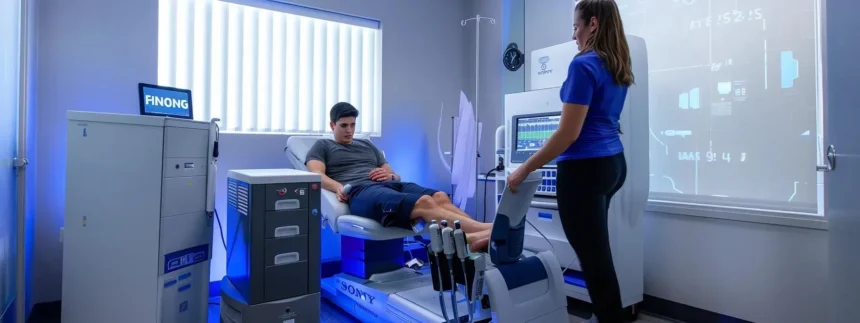
Platelet-rich plasma (PRP) injections represent a modern approach to promoting healing and addressing pain through the body’s natural processes. A PRP injection is derived from a small sample of the patient’s blood, which is then processed to concentrate components known for their role in healing. This concentrated plasma is then injected into targeted areas to support tissue repair. Here’s information on PRP therapy for pain management plans:
How Does PRP Therapy Manage Pain?
PRP therapy leverages the body’s natural healing mechanisms by injecting a high concentration of platelets directly into damaged or inflamed tissues. Platelets contain growth factors that stimulate cell regeneration and tissue repair. This process is particularly useful in addressing pain associated with musculoskeletal injuries, chronic conditions like tendonitis, and certain joint issues.
The PRP injection process begins with a blood draw from the patient. This sample is placed in a centrifuge to separate the platelet-rich plasma from other blood components. The resulting plasma, abundant in growth factors, is then administered to the affected area using ultrasound guidance for precise placement.
By delivering these regenerative properties directly to the source of pain, PRP aims to enhance healing and improve overall function. Some benefits of PRP treatments are:
- Lasting Results
- Enhanced Mobility
- Reduced Pain
- Faster Healing Times
What Is a PRP Injection Appointment Like?
Before treatment begins, the patient undergoes a consultation to determine if PRP therapy is suitable for their condition. Blood will then be drawn. This sample is processed in a centrifuge, which spins rapidly to isolate platelets from red and white blood cells. Patients may be advised to avoid anti-inflammatory medications in the days leading up to the procedure, as these can interfere with the body’s natural healing process. Hydration and proper nutrition are also recommended to optimize the quality of the blood sample.
Once the PRP is prepared, the injection site is cleaned and, if needed, numbed with a local anesthetic. Using ultrasound guidance, the clinician injects the plasma with precision into the target area, whether it’s a joint, tendon, or ligament. The procedure itself typically takes around an hour, and most patients can resume normal activities shortly after, although some may experience mild discomfort or swelling at the injection site.
How Does PRP Complement Other Treatments?
PRP therapy is often most effective when used in conjunction with a comprehensive pain management strategy. It complements other treatments, like physical therapy, to strengthen and restore function in injured areas. Patients undergoing PRP injections for joint pain may benefit from structured exercise programs to improve mobility and reduce stiffness.
PRP can integrate well with advanced technological solutions like ultrasound imaging devices. These tools help accurately locate areas for treatment or manage pain through alternative mechanisms. When paired with PRP, technology-guided therapies provide a more focused and tailored approach to addressing pain.
Schedule an Appointment
If you’re looking for innovative solutions to address pain, PRP therapy may offer a promising option within a broader pain management plan. By combining cutting-edge technology with the body’s natural healing abilities, PRP provides a targeted, minimally invasive approach to supporting recovery and function. Schedule an appointment today to explore whether PRP therapy is right for you.
- Obligation Linéaire: Complete Guide to Meaning, Use, Finance & Law
- Tarnplanen: The Complete 2025 Guide to Smart Planning for Success
- Ryan Trahan Net Worth: Full Breakdown of His Income, Career & Success
- Serlig: Complete Guide to Meaning, Benefits, Uses, Lifestyle & Modern Wellness Approach
- Escapamento RD: Complete Guide, Performance, Types, Installation & Maintenance





Recent Comments