



Facing the possibility of gallbladder surgery can bring up many questions and concerns. From understanding why it’s needed to knowing what recovery will look like, getting clear answers can help ease your mind and prepare you for the journey ahead. Whether you’re exploring your options or scheduled for the procedure, here are answers to some of the most common questions about gallbladder surgery to help you feel informed and confident:
Why Is Gallbladder Surgery Needed?
Gallbladder surgery becomes necessary when gallstones or gallbladder disease create persistent symptoms that affect daily life. The gallbladder stores bile, which helps break down food in your small intestine. When gallstones form, they create hardened deposits that block your gallbladder or bile duct.
Several factors increase your risk of gallstones. Being a woman over 40, overweight, or leading a sedentary lifestyle can contribute to gallstone formation. These risk factors make gallbladder removal a helpful treatment option for many patients. Symptoms that indicate the need for gallbladder surgery include sharp pain in your upper right abdomen, persistent nausea, vomiting, and ongoing indigestion. If you develop a fever, chills, and jaundice, seek immediate medical attention, as these symptoms may indicate serious complications.
What Are the Surgery Types?
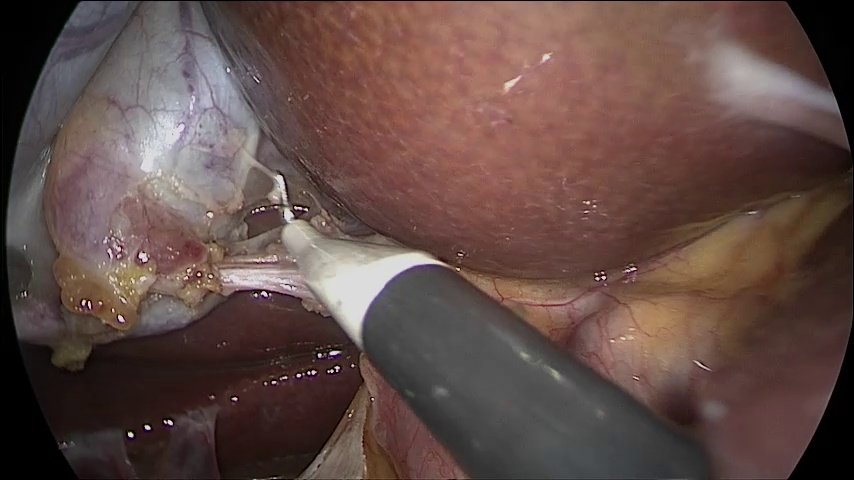
Two main types of gallbladder operation exist: laparoscopic cholecystectomy and open cholecystectomy. Laparoscopic cholecystectomy represents the most common approach for gallbladder removal. This minimally invasive technique uses small incisions measuring less than an inch long to access the gallbladder.
During laparoscopic surgery, surgeons use specialized tools attached to robotic arms to remove the gallbladder. The surgeon controls these tools through wristed instruments at a computer console. This approach reduces complications compared to traditional open surgery while promoting faster healing.
Open cholecystectomy involves a larger incision in your abdomen to access the gallbladder directly. Surgeons reserve this approach for complex cases where laparoscopic techniques prove insufficient. Most patients benefit from the minimally invasive laparoscopic approach due to reduced scarring and shorter recovery times.
What Is Recovery Like?
Recovery from gallbladder surgery varies based on the surgical approach used. Laparoscopic cholecystectomy normally requires shorter recovery periods compared to open surgery. Most patients experience less pain and return to normal activities sooner with minimally invasive techniques.
The initial recovery period involves managing post-surgical discomfort and gradually returning to regular activities. Your surgeon will provide specific guidelines about when you may resume driving, lifting objects, and engaging in strenuous exercise. Following these recommendations helps prevent complications and promotes proper healing. Your surgeon will work with you to develop a healthy eating plan that supports healing as your body adjusts to functioning without a gallbladder.
Are There Long-Term Effects?
Living without a gallbladder requires some dietary adjustments, but most people adapt to these changes relatively well. Your liver continues producing bile, which flows directly into your small intestine instead of being stored in the gallbladder. This change affects how your body processes fatty foods.
Some patients experience digestive changes after gallbladder removal, especially when consuming high-fat meals. These effects improve over time as your digestive system adapts. Following your surgeon’s dietary recommendations helps minimize these temporary adjustments. Regular follow-up appointments with your surgeon help monitor your recovery and address any concerns that arise.
Visit a Gallbladder Surgery Specialist Today
Gallbladder surgery provides effective treatment for gallstones and related conditions that affect your well-being. Understanding the procedure types, recovery process, and long-term effects helps you make informed decisions about your treatment. For persistent gallbladder symptoms, schedule a consultation with a qualified surgeon to discuss available treatment options.
- Obligation Linéaire: Complete Guide to Meaning, Use, Finance & Law
- Tarnplanen: The Complete 2025 Guide to Smart Planning for Success
- Ryan Trahan Net Worth: Full Breakdown of His Income, Career & Success
- Serlig: Complete Guide to Meaning, Benefits, Uses, Lifestyle & Modern Wellness Approach
- Escapamento RD: Complete Guide, Performance, Types, Installation & Maintenance






Recent Comments