



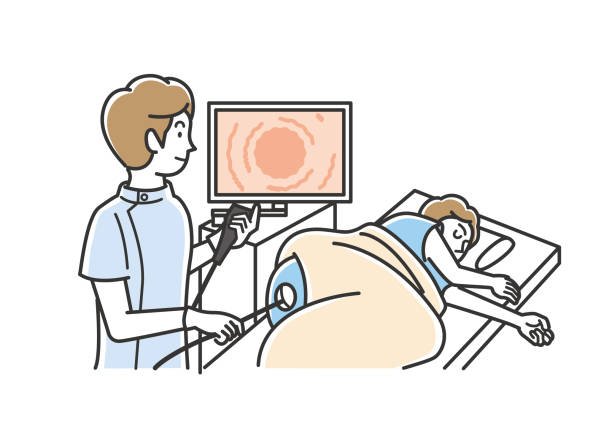
Colonoscopies are a common procedure that people undergo. Understanding the basics of this procedure can help you know what to expect if your doctor recommends a colonoscopy. Having accurate information can help reduce anxiety and prepare you for discussions with your healthcare provider.
What Is a Colonoscopy?
A colonoscopy is a medical procedure that allows doctors to examine the inner lining of your large intestine, also known as the colon and rectum. During this procedure, a gastroenterologist uses a long, flexible tube called a colonoscope, which has a small camera attached to it. It is inserted through the rectum and guided through the entire length of the colon. The camera transmits real-time images to a monitor, allowing the doctor to view the colon’s interior in detail. The procedure also allows for the removal of tissue samples for laboratory analysis or to remove small growths during the procedure.
What Is It For?
Colonoscopies serve several medical purposes and may be recommended for different reasons depending on your individual circumstances. One primary use of colonoscopies is screening for colorectal cancer. Medical organizations generally recommend that adults begin regular colorectal cancer screening at age 45, though your doctor may recommend earlier or more frequent screening based on your risk factors. During screening colonoscopies, doctors look for precancerous growths called polyps. These small growths can often be removed during the procedure, potentially preventing them from developing into cancer.
Your doctor may recommend a colonoscopy to investigate specific symptoms you’ve been experiencing. The procedure allows doctors to visually examine the colon and identify potential causes of these symptoms. These symptoms might include:
- Blood in your stool
- Unexplained abdominal pain
- Chronic diarrhea or constipation
If you have certain conditions affecting your colon, such as inflammatory bowel disease, your doctor may recommend periodic colonoscopies to monitor your condition and check for complications.
What Does the Process Involve?
The colonoscopy process involves several stages, beginning with preparation at home and ending with recovery after the procedure. Preparation for a colonoscopy begins several days before the procedure. Your doctor will provide specific instructions, which typically include dietary restrictions and bowel preparation. Bowel preparation involves taking prescribed medications or solutions that help empty your colon completely. This step is necessary because the doctor needs a clear view of the colon’s lining during the procedure.
The Day of the Procedure
On the day of your colonoscopy, most patients receive sedation to help them relax during the procedure. During the procedure, you’ll lie on your side while the doctor carefully inserts the colonoscope and guides it through your colon. The doctor will examine the colon’s lining and may take tissue samples or remove polyps if necessary.
Recovery Period
After the procedure, you’ll rest while the sedation wears off. This typically takes around an hour. You may experience some mild cramping or bloating, which usually resolves quickly. If you received sedation, you’ll need someone to drive you home and should avoid making decisions or operating machinery for the remainder of the day.
Speak Further With Your Gastroenterologist
The decision to undergo a colonoscopy should always be made in consultation with your healthcare provider, who can assess your individual risk factors and medical history. If you have questions about colonoscopies or concerns about colorectal health, schedule a consultation with a gastroenterologist. Your healthcare provider is the best source of information about whether a colonoscopy is appropriate for your specific circumstances.
- Obligation Linéaire: Complete Guide to Meaning, Use, Finance & Law
- Tarnplanen: The Complete 2025 Guide to Smart Planning for Success
- Ryan Trahan Net Worth: Full Breakdown of His Income, Career & Success
- Serlig: Complete Guide to Meaning, Benefits, Uses, Lifestyle & Modern Wellness Approach
- Escapamento RD: Complete Guide, Performance, Types, Installation & Maintenance





Recent Comments