



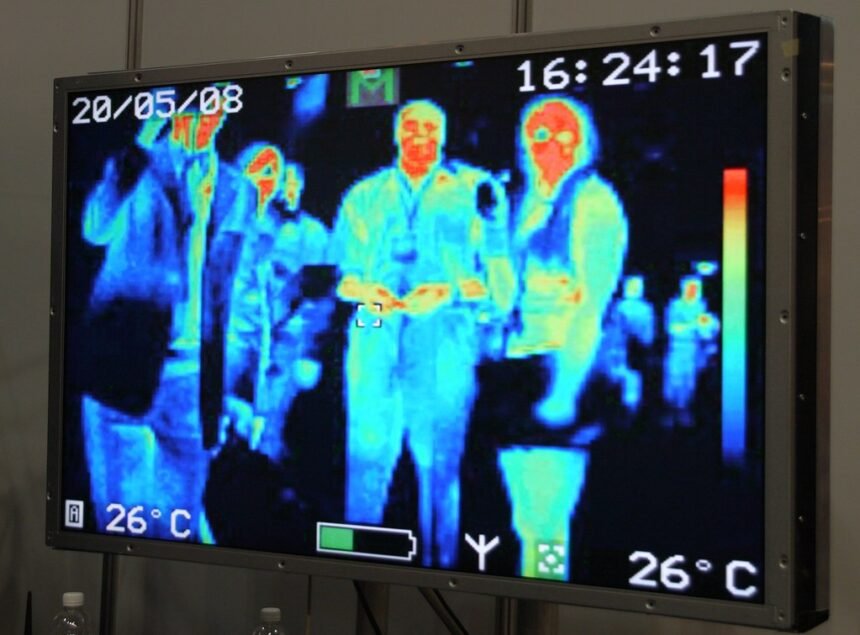
Among the tools available to evaluate unexplained pain, inflammation, or temperature changes in the body, thermography offers a noninvasive imaging option that some providers use in diagnostic settings. Primary care physicians may refer patients for thermographic scans when evaluating symptoms that do not respond to traditional imaging techniques. The process measures heat patterns on the surface of the skin using an infrared camera, producing images that may highlight abnormal thermal activity. While not a replacement for standard tests such as X-rays or MRIs, thermography can provide useful context for assessing a range of conditions.
Detecting Inflammation and Muscular Stress
One of the most common uses of thermography is identifying areas of inflammation. Inflammation produces localized heat, which thermographic imaging can detect before visible symptoms develop. Patients experiencing joint pain, tendon issues, or soft tissue injuries may undergo thermographic scans to locate subtle imbalances. In sports medicine, thermography may help guide treatment plans by showing patterns of overuse or asymmetrical muscle stress. While the technology does not diagnose conditions independently, it contributes to a broader picture of musculoskeletal health.
Some providers use thermography to observe vascular health by detecting changes in blood flow. Poor circulation may cause cooler areas on the skin’s surface, while conditions that increase blood flow—such as inflammation or infection—often produce warmer areas. Primary care physicians working with patients who report tingling, numbness, or temperature sensitivity may use thermographic data to help identify vascular irregularities. In some cases, the scans assist in monitoring known conditions such as Raynaud’s phenomenon or peripheral artery disease.
Monitoring Nerve-Related Conditions
Nerve dysfunction can create thermal irregularities on the skin, particularly when nerve signals to blood vessels are disrupted. Thermography may show heat loss in areas with damaged sensory nerves or increased heat in regions experiencing nerve irritation. Patients with conditions such as complex regional pain syndrome (CRPS) or certain neuropathies may undergo thermographic assessments as part of symptom tracking. The imaging offers visual evidence of patterns that are otherwise difficult to capture, aiding both diagnosis and long-term monitoring.
Thermographic scans can provide insight into the origin and extent of chronic pain. Conditions such as fibromyalgia, arthritis, or myofascial pain syndrome often produce patterns that appear on thermal imaging. While these scans do not replace diagnostic tools such as lab work or physical exams, they offer another lens through which to evaluate ongoing discomfort. Primary care physicians might use thermographic information alongside other findings to tailor referrals or treatment plans.
Thermography has received attention for its proposed use in breast health screening. Some providers promote it as a supplemental imaging tool to detect temperature changes associated with abnormal tissue growth. However, it is not a substitute for mammography or ultrasound. Major medical organizations currently do not endorse thermography for breast cancer screening due to a lack of consistent evidence. Primary care physicians may encounter patients asking about this use and can provide guidance on appropriate imaging strategies supported by clinical data.
Using Infection Surveillance
Localized infections often generate heat, which thermal imaging can detect. This application may be helpful in evaluating wounds, post-surgical sites, or dental inflammation. For example, an increase in temperature around a healing wound might suggest developing complications. By comparing images over time, providers can monitor healing progress or detect early signs of infection. Although thermography should not replace microbiological testing, it can add value when paired with other clinical assessments.
Visit With Primary Care Physicians
Thermography provides indirect information about internal processes and should not be used in isolation for diagnosing conditions. Results depend on environmental conditions, patient preparation, and interpretation by trained professionals. For this reason, primary care physicians use thermography as part of a broader evaluation strategy, often confirming findings with additional tests. While its noninvasive nature and absence of radiation make it appealing for certain populations, clear limitations exist in terms of precision and consistency.
- Obligation Linéaire: Complete Guide to Meaning, Use, Finance & Law
- Tarnplanen: The Complete 2025 Guide to Smart Planning for Success
- Ryan Trahan Net Worth: Full Breakdown of His Income, Career & Success
- Serlig: Complete Guide to Meaning, Benefits, Uses, Lifestyle & Modern Wellness Approach
- Escapamento RD: Complete Guide, Performance, Types, Installation & Maintenance





Recent Comments