




Botox is a medical treatment that offers cosmetic enhancements and therapeutic benefits for various conditions. Understanding the science behind Botox, its applications, and potential benefits can help patients make informed decisions about their treatment options. Here is more information on this treatment option and why patients should visit a primary care physician:
What Is Botox?
Botox is a purified protein derived from the bacterium Clostridium botulinum. The active ingredient, botulinum toxin type A, is processed and refined for medical use in controlled clinical settings. This substance is used for various cosmetic and medical applications. Medical professionals administer Botox through precise injections targeting specific muscle groups or areas.
How Does It Work?
Botox functions by temporarily blocking nerve signals that cause muscle contractions. When injected into targeted areas, the toxin binds to nerve endings, preventing the release of a neurotransmitter responsible for muscle activation. This mechanism creates a controlled, reversible paralysis of the treated muscles.
The blocking effect develops gradually over several days following injection. The duration of action varies but generally lasts three to four months before nerve function gradually returns due to cellular regeneration processes. New nerve terminals sprout and form connections, allowing muscle function to resume. The temporary nature of Botox treatment requires periodic re-administration to maintain therapeutic benefits.
What Conditions Does It Treat?
Botox addresses numerous medical conditions beyond cosmetic applications. Neurological disorders represent a significant treatment category, including chronic migraines, cervical dystonia, and muscle spasticity. Patients with these conditions may experience substantial symptom relief through targeted therapy.
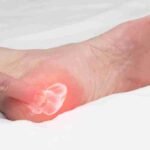
Hyperhidrosis, or excessive sweating, may respond well to Botox treatment in areas such as the underarms, palms, and feet. The toxin reduces sweat production by blocking nerve signals to sweat glands. Overactive bladder syndrome also benefits from these injections, which help control urinary incontinence and frequency. Each application requires specific injection techniques and dosing protocols tailored to the condition being treated.
What Are the Benefits?
Botox offers several advantages as a medical treatment option. The minimally invasive nature of the procedure allows for outpatient administration with minimal recovery time. Most patients can resume normal activities shortly after treatment, making it a convenient therapeutic option.
This treatment can improve the symptoms of many conditions. Patients with chronic migraines may experience fewer headache days per month, while those with muscle spasticity may gain improved mobility and reduced pain. These injections are also safe and reversible, with effects gradually diminishing over time.
Visit a Primary Care Physician
Botox represents a valuable therapeutic option for various medical conditions, offering patients a minimally invasive treatment with a well-established safety and efficacy profile. The mechanism of action, which temporarily blocks nerve-muscle communication, provides targeted symptom relief across multiple medical specialties. Understanding the scope of conditions treatable with Botox can help patients recognize when this therapy may benefit their specific health needs.
Consultation with a primary care physician provides the foundation for exploring treatment options. Your healthcare provider can evaluate your symptoms, review your medical history, and determine if this therapy aligns with your treatment goals. Contact your primary care physician to discuss whether Botox treatment may be appropriate for your medical condition.
- Obligation Linéaire: Complete Guide to Meaning, Use, Finance & Law
- Tarnplanen: The Complete 2025 Guide to Smart Planning for Success
- Ryan Trahan Net Worth: Full Breakdown of His Income, Career & Success
- Serlig: Complete Guide to Meaning, Benefits, Uses, Lifestyle & Modern Wellness Approach
- Escapamento RD: Complete Guide, Performance, Types, Installation & Maintenance




Recent Comments