



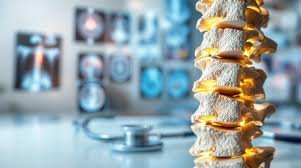
Spinal stenosis happens when the spaces inside your spine get narrower, which can press on the spinal cord or nerves. This may cause symptoms such as pain, numbness, or weakness, and can impact your movement and overall quality of life. Doctors diagnose and treat this condition using specialized techniques suited to each patient. Here is how evaluations are done and how treatments are planned:
Evaluation & Diagnostic Imaging
The first step in diagnosing spinal stenosis is a thorough medical evaluation. Doctors begin by reviewing the patient’s medical history and symptoms. They ask about how often and how severe the pain is, and whether specific movements or activities make it worse. A physical exam assesses the patient’s posture, range of movement, nerve health, including muscle strength and reflexes.
Next, imaging tests provide more information to guide treatment for spinal stenosis. X-rays can detect structural problems, such as bone spurs or narrowed disc spaces. MRI scans provide detailed images of soft tissues, including nerves, ligaments, and discs. If needed, CT scans with contrast dye may help identify specific areas of compression or abnormal structures. By combining the results of these tests with the medical examination, specialists can confirm the diagnosis and plan ideal treatment options.
Physical Therapy & Chiropractic Care
Non-surgical treatments help manage the symptoms of spinal stenosis. Physical therapy helps by strengthening the muscles that support the spine, improving flexibility, and teaching patients how to move in ways that reduce strain on the spine. Therapists may create personalized exercise plans to help stabilize weak areas and improve mobility, guiding patients through each step to prevent further irritation.
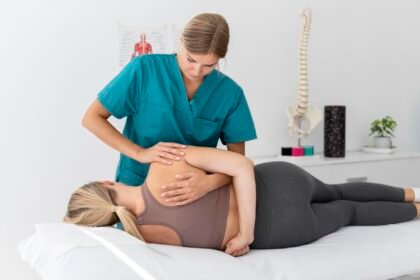
While exercises in physical therapy target muscle issues, chiropractic care may focus on correcting spine alignment. Chiropractors might use hands-on adjustments or mobilization techniques to relieve pressure on specific nerve roots. These treatments can be combined with manual therapies such as massage or stretching to address tension and stiffness. Lifestyle changes, like improving posture or modifying daily activities, may also be recommended alongside these therapies. Together, these non-invasive approaches aim to reduce symptoms and help patients manage their condition effectively.
Minimally Invasive Surgery
When conservative treatments are not enough, surgical options may be chosen. Doctors may recommend minimally invasive surgery for spinal stenosis because it involves smaller cuts and allows for quicker recovery compared to traditional surgery. These procedures employ precise techniques designed to minimize damage to surrounding tissues. Other methods include inserting devices. After surgery, patients typically rest, gradually return to normal activities, and continue physical therapy to aid healing and manage symptoms long-term.
Find Care for Spinal Stenosis
Diagnosing and treating this condition involves a combination of detailed evaluations, non-invasive therapies, and, when needed, surgical interventions. Each approach is suited to the individual, offering options that aim to alleviate symptoms and support daily activities. If you’re experiencing ongoing back or neck issues, speak with a specialist to explore your options. Professional guidance helps clarify the next steps in managing spinal stenosis. Reach out to a healthcare provider to take the first step toward understanding your condition and potential treatments today.
- Obligation Linéaire: Complete Guide to Meaning, Use, Finance & Law
- Tarnplanen: The Complete 2025 Guide to Smart Planning for Success
- Ryan Trahan Net Worth: Full Breakdown of His Income, Career & Success
- Serlig: Complete Guide to Meaning, Benefits, Uses, Lifestyle & Modern Wellness Approach
- Escapamento RD: Complete Guide, Performance, Types, Installation & Maintenance




Recent Comments