



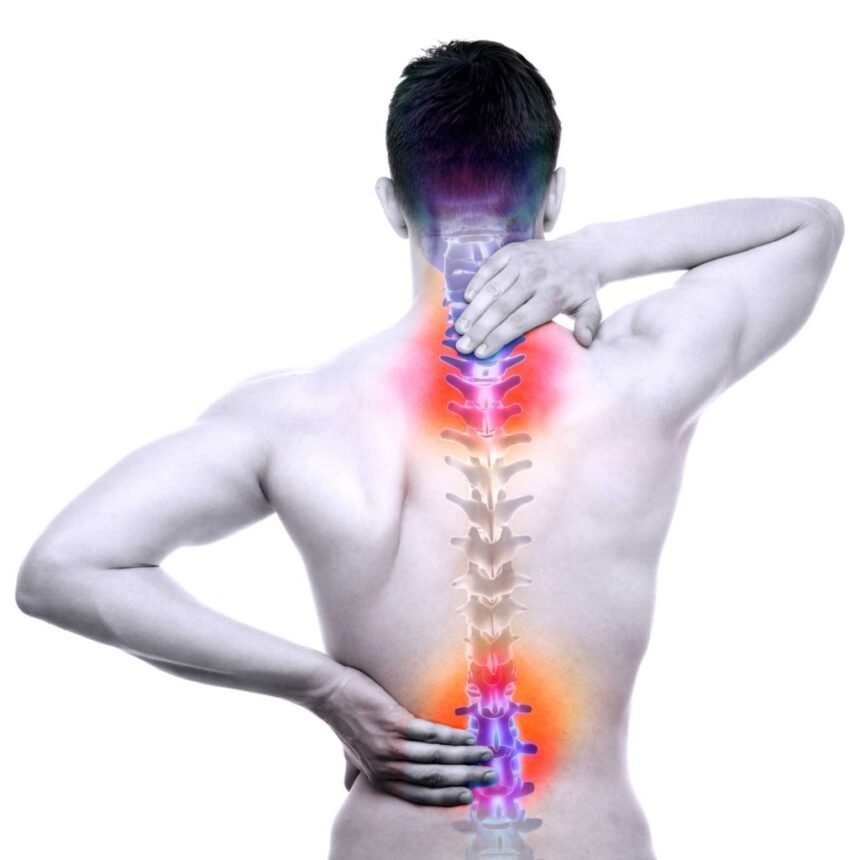
Spine surgery marks the beginning of your recovery journey, not the end. The rehabilitation process that follows plays a significant role in determining your long-term outcomes and quality of life. This article provides practical guidance on three key areas that can support your healing process: following your medical team’s instructions, managing pain and discomfort, and establishing healthy lifestyle habits.
Follow the Provided Instructions
Your surgeon and rehabilitation team will provide specific guidelines tailored to your procedure and individual needs following a spine surgery. These instructions typically include movement restrictions, wound care protocols, and activity limitations during different phases of recovery. Some procedures may require you to avoid bending, lifting, or twisting for several weeks. Your medical team will specify weight limits for lifting objects and provide guidance on safe body mechanics for daily activities.
Wound care protocols help prevent infection and promote proper healing. Your medical team will demonstrate how to clean and dress your incision site, what signs of infection to watch for, and when to contact them with concerns. They may also provide specific instructions about showering, bathing, and keeping the surgical area dry.
Physical therapy appointments form a cornerstone of spine surgery rehabilitation. Your therapist will design exercises and activities that gradually rebuild strength, flexibility, and function. Attending these sessions consistently and performing prescribed home exercises can significantly impact your recovery trajectory.
Manage Pain and Discomfort
Pain management after spine surgery involves multiple approaches that work together to keep discomfort at manageable levels. Your medical team will likely prescribe medications and provide guidance on their proper use, including timing, dosage, and potential side effects. Ice and heat therapy may provide relief when used appropriately and according to your medical team’s recommendations. Ice typically helps reduce swelling and inflammation in the early recovery phase, while heat may help relax muscles and improve circulation later in the healing process.
Rest and sleep quality directly affect your body’s ability to heal and your pain levels. Your medical team may recommend specific sleeping positions or equipment to support your spine during rest. Activity pacing helps you gradually increase your functional abilities without overexerting yourself. This involves balancing periods of activity with rest and slowly building up your tolerance for daily tasks.
Establish Healthy Lifestyle Habits
Nutrition supports your body’s healing processes and overall recovery. A balanced diet rich in protein, vitamins, and minerals provides the building blocks your body needs to repair tissues and maintain strength. Your medical team may provide specific dietary recommendations based on your individual needs and any medications you’re taking.
Hydration plays a role in maintaining healthy tissue function and supporting your body’s natural healing processes. Drinking adequate water throughout the day can also help prevent complications such as constipation, which can be a side effect of pain medications. Smoking cessation significantly impacts bone healing and tissue repair. Tobacco use can interfere with blood flow and slow the healing process. If you smoke, your medical team can provide resources and support for quitting.
Learn About Spine Surgery
Successful rehabilitation after spine surgery requires patience, consistency, and active participation in your recovery plan. The three areas outlined above, following medical instructions, managing pain effectively, and establishing healthy lifestyle habits, work together to support your healing process. Recovery timelines vary significantly between individuals and depend on factors such as the type of surgery, your overall health, and how well you follow your rehabilitation plan. Regular communication with your medical team allows them to monitor your progress and adjust your treatment plan as needed.
- Obligation Linéaire: Complete Guide to Meaning, Use, Finance & Law
- Tarnplanen: The Complete 2025 Guide to Smart Planning for Success
- Ryan Trahan Net Worth: Full Breakdown of His Income, Career & Success
- Serlig: Complete Guide to Meaning, Benefits, Uses, Lifestyle & Modern Wellness Approach
- Escapamento RD: Complete Guide, Performance, Types, Installation & Maintenance






Recent Comments