



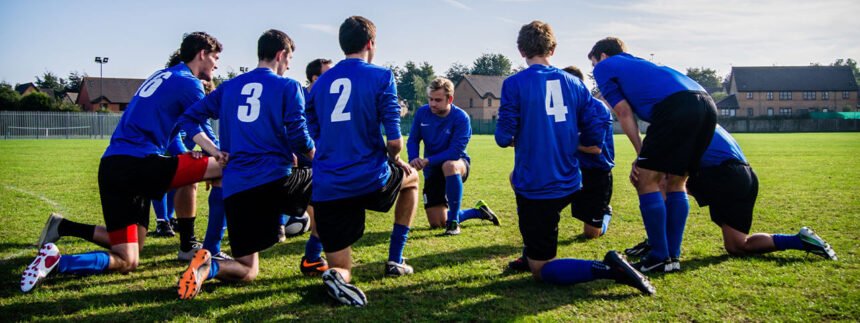
Sports medicine practices offer value for anyone seeking to enhance their physical abilities. For non-athletes, incorporating these techniques may help optimize movement, support recovery, and address ongoing discomfort. While it’s not intended to target athletic achievements alone, its benefits apply broadly to daily life. Here is how it may improve performance:
Addressing Everyday Pain
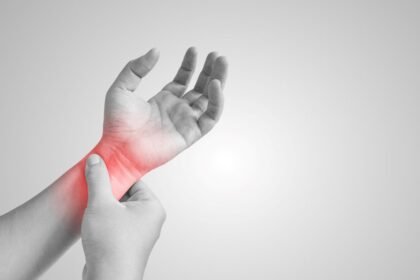
For people who are not athletes, foot problems such as stiffness, pain, or difficulty moving often result from repetitive activities, including walking, standing for extended periods, or wearing shoes that don’t fit properly. Sports medicine experts use techniques like biomechanical analysis to find movement habits that may cause discomfort.
Once these habits are identified, solutions focus on practical changes. These include recommending supportive shoes, prescribing custom orthotics, and teaching stretching exercises to loosen tight muscles. Simple steps, such as changing your way of walking, can help spread out pressure on your feet. By addressing these issues systematically, sports medicine helps reduce stress on joints, muscles, and tendons before problems become more serious.
Improving Physical Strength
Strengthening muscles, especially in the lower body, provides clear benefits for people who are not athletes. Doing exercises that focus on specific issues, like ankle stability, can help prevent injuries from overuse. Sports medicine often uses resistance bands, weights, or bodyweight exercises to safely build strength.
A simple way to start is with small movements such as calf raises or toe curls, and then gradually increase the resistance or how often you do them. Adjustments to your strength training plan are typically based on feedback. Tools like a functional movement screen can make sure you’re working on the right muscles without overdoing it. Over time, these strategies may improve your ability to perform basic movements and support healthy joints in the long run.
Engaging in Recovery Practices
For non-athletes with busy schedules, better recovery practices often lead to fewer aches and pains over time. One effective recovery method involves rest combined with specific stretches tailored to your needs. Developing consistent recovery habits can improve natural movement patterns and help prevent discomfort after long periods of standing or walking.
Screening and Gaining Insights
Screening tools in sports medicine, such as gait analysis or movement screening, help us understand how our bodies perform during everyday activities. A movement screening may detect tight arches or poor weight distribution in your feet, which could lead to discomfort or strain later on.
Based on these results, specialists may suggest preventive measures. Some options are simple, like wearing shoes with arch support. Others involve more targeted approaches, such as guided physical therapy to improve the range of motion in your feet and ankles.
Knowing the Benefits
Feeling more physically capable impacts how you approach daily movements, hobbies, and chores. When discomfort diminishes, physical abilities improve, leading to more consistent habits, whether that’s walking longer distances without pain or standing comfortably for extended periods. The following takeaways may apply:
- Sports medicine applies athletic principles to non-athletes experiencing repetitive strain or everyday pain.
- Recovery techniques, such as stretching or massage therapy, better support the wear and tear from daily life without involvement in sports.
- Movement screenings identify biomechanical risks that can be improved with small adjustments.
Ask About Sports Medicine
If you’re experiencing discomfort related to foot or lower-body movement, seeking advice rooted in sports medicine could be the practical next step. Contact your foot specialist to explore tailored recommendations for improving movement and reducing daily strain. Schedule an appointment and address your medical needs.
- Obligation Linéaire: Complete Guide to Meaning, Use, Finance & Law
- Tarnplanen: The Complete 2025 Guide to Smart Planning for Success
- Ryan Trahan Net Worth: Full Breakdown of His Income, Career & Success
- Serlig: Complete Guide to Meaning, Benefits, Uses, Lifestyle & Modern Wellness Approach
- Escapamento RD: Complete Guide, Performance, Types, Installation & Maintenance




Recent Comments