



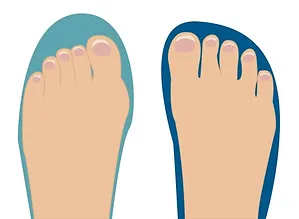
Your feet endure constant pressure from walking, standing, and physical activities. Without adequate support, this daily stress leads to discomfort and inflammation. The right footwear plays a key role in preventing foot pain and maintaining comfort throughout the day. Proper shoe selection addresses common causes of pain in the feet before they develop into chronic problems. Understanding how footwear impacts foot health helps you make informed choices that protect your feet and prevent future complications.
The Link Between Footwear and Foot Pain
Poorly fitted shoes can create multiple problems, leading to foot pain. Shoes that are too tight compress the toes and restrict the natural movement of the foot. This compression may cause bunions, calluses, and nerve pain. Shoes that are too loose allow excessive foot movement inside the shoe, which can cause blisters and instability.
High heels shift body weight forward onto the ball of the foot. This unnatural position increases pressure on the forefoot and creates pain in the feet. The altered walking pattern also affects the heel and arch, leading to further discomfort and structural problems over time. Flat shoes without arch support fail to maintain the foot’s natural shape. The lack of support causes the arch to collapse during walking, resulting in heel pain and strain on the plantar fascia.
Features of Footwear That Prevent Foot Pain
Proper arch support is fundamental for preventing foot pain. The arch support maintains the foot’s natural curve and distributes weight evenly across the foot. This feature reduces strain on the plantar fascia and prevents the development of flat feet or fallen arches.
Adequate cushioning absorbs impact during walking and standing. The cushioning material, typically found in the midsole, protects the heel and ball of the foot from repetitive stress. Memory foam and gel inserts provide extra shock absorption for people who spend long hours on their feet.
A spacious toe box allows the toes to move naturally without restriction. The toe box should provide enough room for the toes to spread slightly during walking. This often prevents the development of hammertoes, bunions, and ingrown toenails that result from cramped toe spaces. Heel counters also provide stability and prevent excessive foot movement inside the shoe. A firm heel counter keeps the foot properly aligned and reduces the risk of ankle injuries.
Choosing the Right Shoes
Athletic activities require specific footwear designed for the demands of each sport. Running shoes provide support for forward motion and heel cushioning. Cross-training shoes offer stability for side-to-side movements. Walking shoes emphasize heel-to-toe transition and arch support for extended periods of use.
Work environments dictate specific footwear requirements. Standing jobs require shoes with substantial arch support and cushioning. Healthcare workers benefit from slip-resistant soles and easy-to-clean materials. Construction workers need steel-toed boots with puncture-resistant soles for safety and support. Daily wear shoes should balance comfort with style requirements. Casual shoes with removable insoles allow for the use of custom orthotics when needed.
Schedule a Foot Pain Consultation Today
Proper footwear selection prevents some common causes of foot pain. Shoes with adequate support, cushioning, and proper fit protect your feet during daily activities. Regular foot care and appropriate exercises complement good footwear choices for optimal foot health. Schedule a foot pain consultation with a podiatrist to identify underlying conditions and explore treatment options.
- Obligation Linéaire: Complete Guide to Meaning, Use, Finance & Law
- Tarnplanen: The Complete 2025 Guide to Smart Planning for Success
- Ryan Trahan Net Worth: Full Breakdown of His Income, Career & Success
- Serlig: Complete Guide to Meaning, Benefits, Uses, Lifestyle & Modern Wellness Approach
- Escapamento RD: Complete Guide, Performance, Types, Installation & Maintenance



Recent Comments