



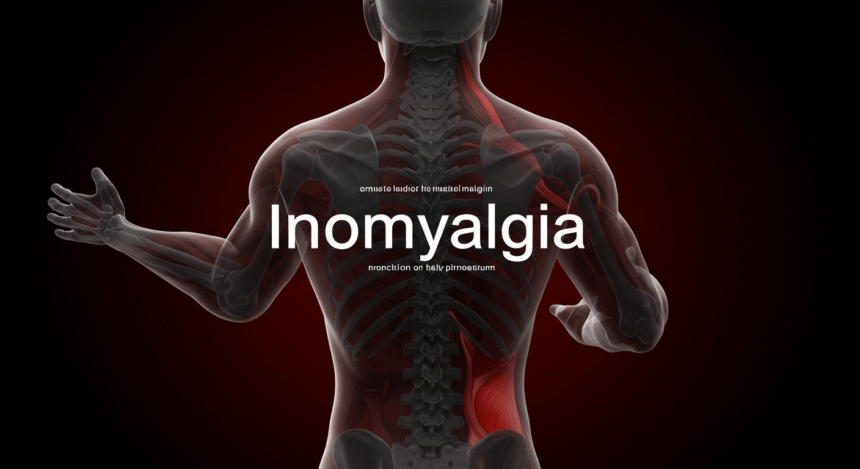
Inomyalgia is a term that describes a condition involving persistent muscle pain and discomfort. While it is not as widely recognized in medical literature as fibromyalgia or chronic myalgia, many people use the word “inomyalgia” to refer to ongoing muscle-related pain that affects quality of life. Muscle pain is a very common health issue worldwide, and it can be caused by stress, lifestyle problems, underlying illnesses, or chronic conditions. For many, this pain is not temporary; instead, it continues for weeks or months and becomes a daily struggle. Inomyalgia highlights the importance of understanding how body muscles respond to stress, sleep issues, poor circulation, or nervous system dysfunction.
This article explores inomyalgia in detail, including its possible causes, symptoms, risk factors, and the treatments that can help patients manage the condition. The goal is to provide a simple but complete explanation so readers can better understand what inomyalgia might mean and how to cope with it effectively.
What is Inomyalgia?
Inomyalgia refers to persistent muscle pain that is not linked to a specific injury but instead is widespread or chronic in nature. Unlike short-term muscle soreness after exercise, inomyalgia can continue for a long time and interfere with daily activities. It may overlap with conditions like fibromyalgia or chronic myalgia, but people often use the term inomyalgia to describe unexplained muscle discomfort.
Muscle pain associated with inomyalgia can affect the arms, legs, shoulders, and back, and may also be linked with fatigue, weakness, or sensitivity in certain areas.
Difference Between Inomyalgia and Fibromyalgia
Fibromyalgia is a recognized disorder with specific diagnostic criteria such as widespread pain for more than three months, tender points, fatigue, and sleep problems. Inomyalgia, on the other hand, is more of a descriptive term for muscle pain that may or may not meet fibromyalgia criteria.
The key differences include:
- Fibromyalgia is officially recognized as a chronic pain syndrome.
- Inomyalgia is less commonly defined and may describe general muscle pain.
- Both conditions share symptoms like stiffness, fatigue, and body tenderness.
Common Symptoms of Inomyalgia
People experiencing inomyalgia may report a variety of symptoms, which include:
- Persistent muscle pain in different parts of the body.
- Morning stiffness and difficulty moving after rest.
- Fatigue or constant tiredness even after sleep.
- Sensitivity in muscles or tender points.
- Sleep disturbances such as insomnia or restless sleep.
- Headaches or tension in the neck and shoulders.
- Difficulty concentrating or “brain fog.”
These symptoms may vary from mild to severe and often worsen with stress, overexertion, or lack of rest.
Possible Causes of Inomyalgia
The exact cause of inomyalgia is not clearly identified, but several factors are thought to contribute:
- Stress and Anxiety: Chronic stress affects the nervous system and can increase muscle tension.
- Sleep Disorders: Poor or interrupted sleep prevents muscles from healing properly.
- Immune System Dysfunction: In some cases, immune responses may cause muscle inflammation.
- Hormonal Imbalances: Low serotonin or hormonal shifts can increase pain sensitivity.
- Genetic Predisposition: Family history may play a role in chronic pain conditions.
- Lifestyle Factors: Sedentary lifestyle, poor posture, and lack of exercise contribute to muscle discomfort.
Risk Factors for Developing Inomyalgia
Certain people are more at risk of developing inomyalgia, including:
- Women, who are more likely to experience chronic muscle pain.
- Individuals with a history of chronic stress or depression.
- People with sleep disorders such as sleep apnea or insomnia.
- Adults between 30–60 years old, though it can affect any age group.
- Those with autoimmune diseases or other chronic illnesses.
How Inomyalgia is Diagnosed
Since inomyalgia is not a clearly defined medical condition, doctors usually diagnose it through a process of elimination. They may check for:
- Patient’s history of muscle pain lasting more than three months.
- Physical examination of muscle tenderness and stiffness.
- Blood tests to rule out thyroid problems, infections, or autoimmune disorders.
- Sleep assessments if insomnia or poor sleep quality is suspected.
Doctors often consider inomyalgia when muscle pain does not have a specific underlying cause.
Treatment Options for Inomyalgia
There is no single cure for inomyalgia, but treatments aim to reduce symptoms and improve quality of life. The treatment plan often includes:
Medications
- Pain relievers such as acetaminophen or ibuprofen.
- Muscle relaxants for stiffness.
- Antidepressants to improve sleep and reduce pain sensitivity.
Physical Therapy
- Stretching exercises and mobility training.
- Massage therapy to relieve tension.
- Low-impact exercises like swimming or yoga.
Lifestyle Adjustments
- Following a regular sleep schedule.
- Maintaining a healthy, balanced diet.
- Reducing caffeine and alcohol intake.
- Practicing stress management techniques such as meditation or deep breathing.
Home Remedies for Managing Inomyalgia
Many people find relief with simple home remedies, including:
- Warm baths or heating pads for sore muscles.
- Gentle daily stretching routines.
- Staying active with light exercises like walking.
- Using ergonomic furniture to avoid posture-related pain.
- Taking magnesium or vitamin D supplements if deficient.
Diet and Nutrition for Inomyalgia
Food can play an important role in managing chronic pain. For people with inomyalgia:
- Anti-inflammatory foods such as leafy greens, fish, nuts, and olive oil are beneficial.
- Processed foods, excessive sugar, and fried items may worsen pain.
- Drinking enough water helps prevent muscle cramps and stiffness.
- Herbal teas such as chamomile or ginger tea can support relaxation.
Living with Inomyalgia
Living with inomyalgia can be challenging, but with proper management, most people can lead fulfilling lives. Creating a daily routine that includes exercise, stress management, good sleep hygiene, and healthy eating can make a big difference. Support from family, counseling, and patient groups also helps reduce the emotional burden of chronic pain.
Conclusion
Inomyalgia may not be a formally recognized medical condition like fibromyalgia, but it describes a real struggle faced by many people who live with constant muscle pain and fatigue. Understanding the possible causes, recognizing the symptoms, and adopting lifestyle changes can help in managing this condition effectively. With a mix of medical treatments, home remedies, and positive daily habits, people with inomyalgia can find relief and improve their quality of life.
FAQs About Inomyalgia
1. Is inomyalgia the same as fibromyalgia?
No, fibromyalgia is a recognized disorder, while inomyalgia generally refers to chronic muscle pain without a specific diagnosis.
2. What are the most common symptoms of inomyalgia?
The main symptoms include persistent muscle pain, stiffness, fatigue, and sleep problems.
3. Can inomyalgia be cured permanently?
There is no permanent cure, but treatments and lifestyle changes can help manage symptoms effectively.
4. Which exercises are best for inomyalgia?
Low-impact exercises like yoga, swimming, and walking are most beneficial for reducing pain and stiffness.
5. How can I manage inomyalgia at home?
You can manage it through warm baths, light exercise, healthy diet, stress reduction, and proper sleep routines.






Recent Comments