



Bunions are a common foot condition that can lead to discomfort and alignment issues. They may affect daily activities and mobility if left unmanaged. Treatment approaches can help alleviate symptoms and improve quality of life.
What Are Bunions?
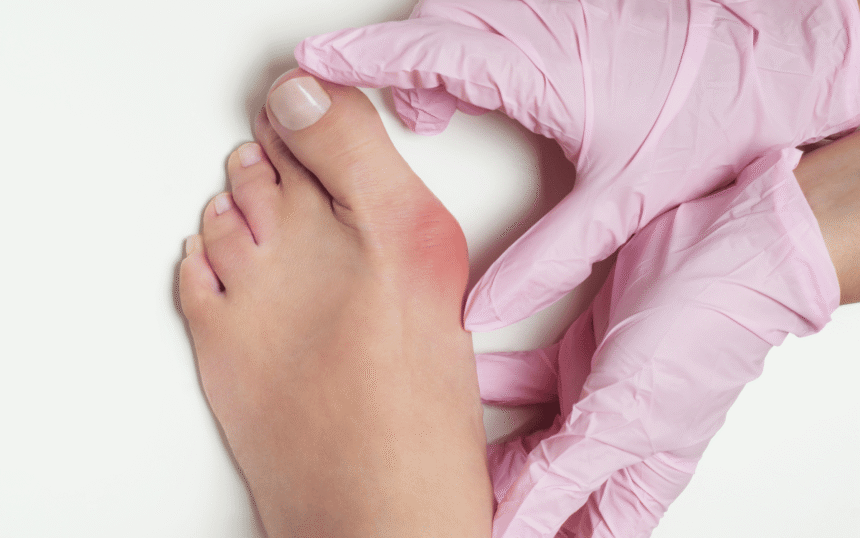
A bunion is a bony bump that develops on the side of the foot at the base of the big toe. The big toe may begin to lean toward the other toes over time, causing the joint at its base to stick out and form the bunion. This protrusion often causes the foot to appear misaligned and may create a visible deformity. They may become red and inflamed, and wearing tight or narrow footwear can exacerbate these effects. Some individuals experience persistent pain in the affected area. Understanding the nature and characteristics of bunions is a key step in addressing them, as early awareness can prevent progression and potential complications.
What Causes Them?
Bunions are often the result of a combination of genetic, structural, and environmental factors. While anyone can develop this condition, specific risk factors heighten the likelihood of its occurrence. Certain inherited foot shapes or abnormalities may make some individuals more prone to developing bunions. Prolonged use of tight, narrow, or high-heeled shoes can aggravate the development of bunions by squeezing the toes together and forcing the big toe into an unnatural position.
Arthritis, particularly rheumatoid arthritis, may contribute to bunions since these conditions weaken the joint and surrounding tissues. The inflammation caused by arthritis may accelerate the changes in foot structure. Excessive stress or trauma to the foot from injuries, repetitive activities, or high-intensity movements can also factor into bunion development.
How Are They Treated?
Treating bunions involves a combination of alleviating symptoms and addressing the underlying factors. Treatment approaches range from non-surgical methods designed to manage symptoms and prevent worsening to surgical interventions for more advanced cases. For many individuals, non-surgical treatments are effective in reducing bunion discomfort and maintaining mobility. These options focus on relieving pressure and inflammation around the affected area:
- Footwear Modifications: Switching to shoes with a wider toe box, low heels, and soft materials helps minimize pressure on the bunion. Proper footwear significantly improves comfort and may prevent further joint misalignment.
- Orthotic Devices: Custom orthotics or shoe inserts can help redistribute weight evenly across the foot. These devices are particularly beneficial for individuals with structural irregularities.
- Medications: Over-the-counter anti-inflammatory medications may be used to reduce swelling and relieve pain associated with bunions, particularly during flare-ups.
Surgery may be suggested for severe bunions that cause ongoing pain or limit daily activities, particularly when non-surgical treatments are no longer effective. The specific surgical procedure will depend on the severity of the condition and the patient’s goals. Common techniques include removing the bony lump or correcting the toe’s alignment. A podiatric specialist can guide patients through the decision-making process, taking into account factors like the degree of discomfort.
Speak Further With a Podiatrist
Bunions range from a mild annoyance to a debilitating condition, but a variety of treatment options exist to help manage the symptoms and improve overall foot health. Early intervention and a proactive approach to foot care can make a significant difference. For detailed guidance and a personalized treatment plan, speaking with a podiatrist is a helpful next step. They offer expertise in diagnosing and managing bunions.
- Obligation Linéaire: Complete Guide to Meaning, Use, Finance & Law
- Tarnplanen: The Complete 2025 Guide to Smart Planning for Success
- Ryan Trahan Net Worth: Full Breakdown of His Income, Career & Success
- Serlig: Complete Guide to Meaning, Benefits, Uses, Lifestyle & Modern Wellness Approach
- Escapamento RD: Complete Guide, Performance, Types, Installation & Maintenance




Recent Comments