



Root canal treatment often causes anxiety for many people, but understanding what it involves can help ease those concerns. This dental procedure is designed to save teeth that might otherwise need removal. Learning about this procedure can help you make informed decisions about your dental care.
What Is a Root Canal?
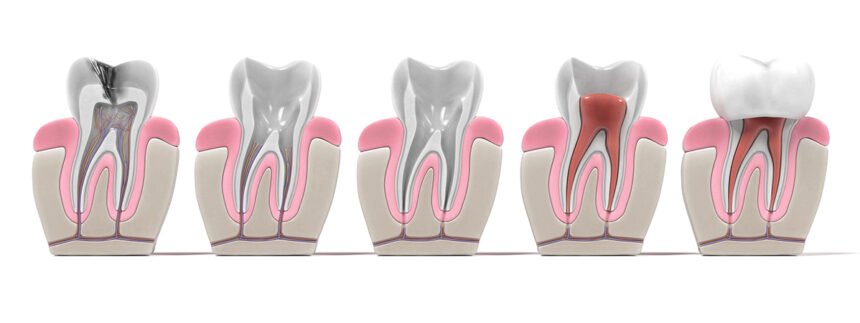
A root canal is a dental procedure that treats infected or severely damaged tooth pulp. The pulp is the soft tissue inside your tooth that contains nerves, blood vessels, and connective tissue. During the procedure, your dentist removes the infected pulp, cleans the inside of the tooth, and seals it to prevent further infection.
The term “root canal” actually refers to the natural cavity within the center of the tooth. Most people use this term to describe the entire treatment process. The procedure allows you to keep your natural tooth rather than having it extracted.
When Is Treatment Needed?
Several situations may require this type of treatment. Understanding these conditions can help you recognize when to seek dental care. Here are some factors that may lead to this treatment being necessary.
- Deep Decay: When tooth decay reaches the pulp, it can cause infection and severe pain. This typically happens when cavities go untreated for extended periods.
- Repeated Dental Procedures: Teeth that have undergone multiple dental procedures may eventually need root canal treatment. Each procedure can stress the tooth, and over time, the pulp may become damaged or infected.
- Large Fillings: Very large fillings can sometimes compromise the tooth’s structure. When a filling takes up a significant portion of the tooth, the remaining tooth structure may weaken, potentially affecting the pulp.
- Cracked or Chipped Teeth: Cracks or chips that extend deep into the tooth can expose the pulp to bacteria, potentially leading to infection. Even small cracks can allow bacteria to enter and cause illness over time.
Taking prompt action to address any damage or signs of pulp distress is key to preserving oral health. Regular dental check-ups can help identify potential issues early and prevent complications from developing.
What Are Common Symptoms?
Several symptoms can indicate the need for root canal treatment, so it’s beneficial to recognize the warning signs and act quickly. One of the most common signs is severe tooth pain, especially when chewing or applying pressure. This pain can range from sharp to throbbing and may disrupt your daily activities. If you’re experiencing this kind of discomfort, it’s often best to consult your dentist.
Another key symptom is prolonged sensitivity to hot or cold temperatures. Unlike normal sensitivity, this discomfort lingers even after the source of heat or cold has been removed. Discoloration of the tooth may occur if the pulp becomes infected or dies. Infected teeth often appear darker than the surrounding teeth, providing a clear visual cue that something is amiss.
Support Your Oral Health
Schedule an appointment with your dentist as soon as possible if you are expereincing any symptoms. Early treatment can save your tooth and prevent serious issues. Modern root canals are significantly more comfortable, with most patients experiencing minimal discomfort due to the use of local anesthesia. Your dentist will assess your situation and recommend the most suitable treatment to protect your oral health.
- Obligation Linéaire: Complete Guide to Meaning, Use, Finance & Law
- Tarnplanen: The Complete 2025 Guide to Smart Planning for Success
- Ryan Trahan Net Worth: Full Breakdown of His Income, Career & Success
- Serlig: Complete Guide to Meaning, Benefits, Uses, Lifestyle & Modern Wellness Approach
- Escapamento RD: Complete Guide, Performance, Types, Installation & Maintenance





Recent Comments