



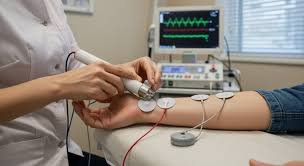
A neurologist is a physician who specializes in diagnosing and treating disorders of the nervous system, which includes the brain, spinal cord, and peripheral nerves. These specialists address a wide range of conditions, from headaches and seizures to multiple sclerosis and neuropathies. Neurologists use both clinical examinations and diagnostic tests to identify the cause of symptoms. They assess muscle strength, coordination, reflexes, and sensation during a physical exam. Diagnostic tests often provide additional information that cannot be observed directly. By combining these findings, neurologists develop targeted treatment plans. Their role is to connect symptoms to underlying neurological causes and guide patients toward effective management strategies.
Why Are Tests Necessary?
Symptoms of nerve disorders can overlap with other medical conditions, making accurate diagnosis challenging. Diagnostic tests provide objective data to confirm or rule out specific disorders. Early and precise identification of a problem allows for timely treatment, which can improve outcomes.
Tests can also measure the severity of nerve damage and track changes over time. Without these tools, a neurologist might rely solely on observation, which can miss subtle or early-stage issues. Using a combination of tests and clinical evaluation helps with a more complete understanding of the patient’s condition. This approach supports personalized care and better long-term management.
What Imaging Tests Are Common?
Imaging tests allow neurologists to view structures within the brain, spinal cord, and surrounding tissues. Magnetic resonance imaging provides detailed images that can reveal tumors, inflammation, or structural abnormalities. Computed tomography scans are useful for detecting bleeding, fractures, or certain types of stroke. In some cases, angiography is used to examine blood vessels and identify blockages or malformations.
Imaging can confirm suspected diagnoses or reveal unexpected findings that change the treatment approach. These tests are noninvasive and often play a central role in both initial diagnosis and ongoing monitoring. The choice of imaging depends on the suspected condition and the level of detail required. Functional tests assess how well nerves and muscles are working together. Electromyography measures the electrical activity of muscles, revealing issues with nerve supply or muscle function.
Nerve conduction studies evaluate how quickly and effectively signals travel along a nerve. Evoked potential tests measure the brain’s response to specific sensory inputs, such as visual or auditory stimuli. These tests help pinpoint the location and extent of nerve damage. They are often combined with imaging for a comprehensive assessment. Functional tests provide insight into disorders that might not be visible through imaging alone, guiding both diagnosis and treatment planning.
Consult a Neurologist
If you are experiencing symptoms such as numbness, weakness, or unexplained pain, a neurologist can help determine the cause. Prepare a detailed history of your symptoms, including when they began and how they have changed over time. Ask about which tests may be appropriate for your situation and what information they can provide. Understanding the purpose of each test can help you feel more comfortable during the diagnostic process. Early consultation may lead to quicker diagnosis and better management options. Taking the step to see a neurologist can bring clarity and direction in addressing nerve-related concerns.
- Obligation Linéaire: Complete Guide to Meaning, Use, Finance & Law
- Tarnplanen: The Complete 2025 Guide to Smart Planning for Success
- Ryan Trahan Net Worth: Full Breakdown of His Income, Career & Success
- Serlig: Complete Guide to Meaning, Benefits, Uses, Lifestyle & Modern Wellness Approach
- Escapamento RD: Complete Guide, Performance, Types, Installation & Maintenance



Recent Comments