




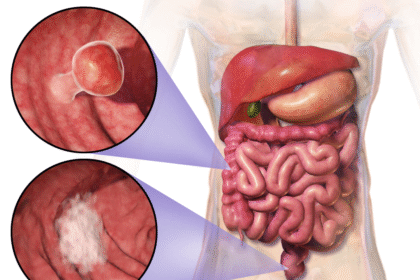
A colonoscopy is a medical procedure designed to closely examine the inner lining of the large intestine. Doctors use it to identify conditions such as inflammation, ulcers, and growths called polyps, which may develop into cancer if left untreated. The process involves using a thin, flexible tube called a colonoscope that has a small camera and light at its tip. This device is gently inserted through the rectum and guided through the colon to capture real-time images. The images appear on a monitor, allowing the doctor to inspect the colon’s structure and spot any irregularities. The exam typically takes between 30 and 60 minutes, depending on what the doctor finds. Many patients receive sedation to help them stay relaxed, comfortable, and unaware during the process, which makes the experience far less intimidating.
How Should You Prepare?
Preparation for a colonoscopy starts one to two days before the scheduled appointment and is critical to the test’s success. Your doctor will give you detailed instructions about dietary changes and cleansing steps. Typically, you will switch to a clear liquid diet the day before, which may include broth, gelatin, tea, or juice without pulp. In most cases, you will take a prescribed laxative solution in measured doses to clean out the colon completely. This cleansing helps make sure that the doctor can see the colon walls without obstruction from waste. If preparation is incomplete, small growths or changes may be hidden, reducing the accuracy of the exam. In such cases, the procedure may need to be repeated, which delays diagnosis and treatment. Taking the preparation seriously improves visibility, shortens the procedure, and provides more accurate results.
What Happens During the Procedure?
On the day of your colonoscopy, you will check into the clinic or hospital and change into a medical gown. A nurse will start an IV line to administer sedation, ensuring you remain comfortable throughout the procedure. Once you are sedated, the doctor will insert the colonoscope into your rectum and advance it slowly through the colon. The camera transmits clear, magnified images to a monitor, allowing for a thorough examination of the intestinal lining.
If the doctor sees polyps or unusual tissue, they can be removed immediately using specialized instruments that fit through the colonoscope. Small tissue samples, called biopsies, may also be taken for lab analysis. This ability to both detect and treat certain issues in one visit is one reason colonoscopy remains a preferred screening tool. After the procedure, you will be monitored in a recovery area while the sedation wears off. Many people feel slightly bloated or have mild cramping from the air introduced into the colon to expand the view. These effects usually go away within a few hours.
Because sedation affects reaction time and judgment, you will need someone to drive you home. Your doctor will typically review the findings with you once you are more alert and provide written instructions for recovery. If a biopsy was taken, results are usually available within a few days. Most people can return to their usual activities the next day, though heavy physical activity should be avoided until cleared by the doctor. Following these recommendations supports a smooth recovery and reduces the risk of complications.
Schedule Your Colonoscopy Today!
If you are due for a colonoscopy, making an appointment now is one of the best ways to protect your digestive health. The procedure not only detects problems early but can also treat certain conditions during the same visit. People over 45, or those with a personal or family history of colon cancer or polyps, benefit most from regular screenings. By addressing issues before symptoms develop, you give yourself the best chance for successful treatment. Talk with your healthcare provider about your risk factors and recommended screening schedule. Taking action today can make a meaningful difference for your health in the years ahead.
- Obligation Linéaire: Complete Guide to Meaning, Use, Finance & Law
- Tarnplanen: The Complete 2025 Guide to Smart Planning for Success
- Ryan Trahan Net Worth: Full Breakdown of His Income, Career & Success
- Serlig: Complete Guide to Meaning, Benefits, Uses, Lifestyle & Modern Wellness Approach
- Escapamento RD: Complete Guide, Performance, Types, Installation & Maintenance





Recent Comments