




Regular physical exams help support long-term health by spotting early signs of illness. Many conditions show little to no symptoms in the beginning stages. These routine visits give providers the chance to monitor both small and significant changes over time. Identifying concerns early can make treatment more effective and less complicated.
Ongoing check-ups also allow for updated guidance based on age, lifestyle, and risk factors. Conversations during visits often uncover concerns that might be overlooked. Personalized advice can lead to small but meaningful improvements in daily habits. Together, these efforts help build a stronger foundation for future health. Here are some things that are checked during physical exams that monitor overall health or uncover concerns:
Blood Pressure Levels
High blood pressure often develops gradually and may not cause any clear symptoms for many people. During a physical exam, providers typically check blood pressure using a cuff and either a digital or manual monitor. These readings offer insight into how hard the heart is working to circulate blood throughout the body. Even slightly elevated numbers can reveal hidden stress on the heart, arteries, or kidneys.
Early detection of high blood pressure opens the door to simple but effective changes in routine and behavior to improve health. Providers may suggest dietary adjustments, increased activity, or reduced sodium intake based on results. In some cases, medication may be introduced to prevent long-term damage to organs. These timely interventions can greatly reduce the chances of more serious health problems later on.
Heart Rhythm Changes
Some heart conditions can develop silently, showing no clear symptoms until they become more serious or harder to treat. During a physical exam, providers often listen for irregular rhythms, murmurs, or other unusual heart sounds. These simple checks help reveal subtle signs that may suggest further testing is needed. Even without symptoms, early findings can point to underlying heart concerns that require attention.
Additional screenings like electrocardiograms are sometimes used to measure how the heart’s electrical system is functioning. These tests can detect abnormalities that might otherwise go unnoticed during a routine visit. When heart issues are found early, treatment plans can be created to prevent future complications. This proactive approach supports heart health and reduces the risk of sudden or severe problems.
Cancer Screening
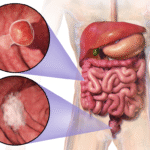
Some cancers begin quietly, showing few or no signs until they are more advanced or harder to treat. During a physical exam, providers may check for signs of cancers like skin, breast, or prostate, depending on your age and history. These screenings are tailored to identify subtle changes like masses or skin discoloration that may otherwise go unnoticed. Identifying cancer early can help limit spread and reduce the intensity of treatment.
Screenings during exams are based on individual risk, family history, and current medical guidelines. Catching cancer early often allows for faster, more targeted treatment with better outcomes. Regular check-ups offer an opportunity to spot problems before they progress further.
Scheduling a Physical Exam
Physical exams offer more than disease detection; they provide an opportunity to review overall wellness. Early intervention for silent health conditions can lead to positive outcomes. By maintaining a consistent schedule of check-ups, individuals equip themselves with the tools to stay healthy and informed. Schedule a physical exam today and talk to your health provider about any concerns you have about your health.
- Obligation Linéaire: Complete Guide to Meaning, Use, Finance & Law
- Tarnplanen: The Complete 2025 Guide to Smart Planning for Success
- Ryan Trahan Net Worth: Full Breakdown of His Income, Career & Success
- Serlig: Complete Guide to Meaning, Benefits, Uses, Lifestyle & Modern Wellness Approach
- Escapamento RD: Complete Guide, Performance, Types, Installation & Maintenance





Recent Comments