



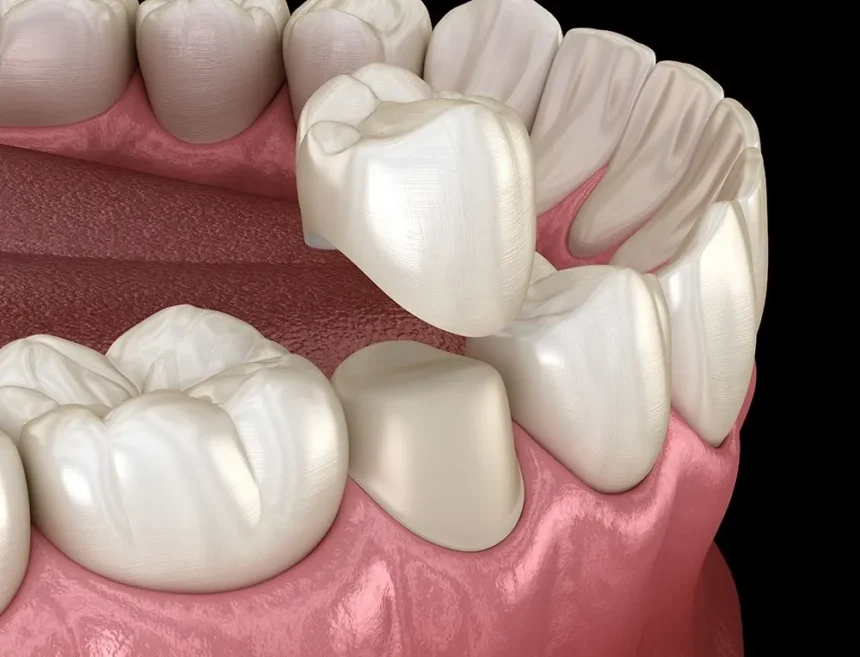
Dental crowns serve as protective caps that cover damaged or weakened teeth, restoring their function and appearance. This restorative treatment helps preserve natural teeth that might otherwise require extraction. Understanding how these implements work and their benefits can help you make informed decisions about your dental health.
Exploring Dental Crowns
Dental crowns are a tooth-shaped cap that completely covers a tooth above the gum line. Dentists fabricate them from various materials, including porcelain, ceramic, metal alloys, or combinations of these materials. The crown encases the entire visible portion of the tooth, providing structural support and protection.
The process begins with tooth preparation, where the dentist removes a small amount of tooth structure to create space for the crown. This preparation allows the crown to fit properly while maintaining natural bite alignment. After taking impressions of the prepared tooth, a dental laboratory creates a custom crown that matches the shape, size, and color of your natural teeth.
Crowns bond permanently to the prepared tooth using dental cement. Once placed, the crown becomes part of the tooth structure, distributing chewing forces evenly across the tooth’s surface. This distribution helps protect the underlying tooth from fractures and additional damage.
Preventing Tooth Loss
Weakened teeth face a significant risk of fracture, which can lead to tooth loss. Crowns address this risk by providing external reinforcement to compromised tooth structure. When a tooth has extensive decay, large fillings, or structural damage, a crown can prevent complete tooth failure.
Root canal treatment often leaves teeth brittle and prone to breaking. Placing a crown after root canal therapy protects the treated tooth from fracture during normal chewing activities. Without this protection, treated teeth frequently break and require extraction.
Teeth with large fillings also gain protection from this procedure. When fillings occupy a significant portion of the tooth, the remaining tooth structure becomes weakened. A crown redistributes chewing forces, reducing stress on the remaining natural tooth structure and preventing catastrophic failure.
Strengthening Teeth
Crowns restore teeth to their original strength and function. The crown material provides structural integrity that matches or exceeds the strength of natural tooth enamel. This restoration allows patients to chew normally without fear of tooth breakage. The crown’s design distributes bite forces evenly across the tooth’s surface. Natural teeth can develop weak spots due to decay, trauma, or wear. Crowns eliminate these weak points by providing uniform strength throughout the tooth’s crown portion.
Different crown materials offer varying levels of strength. Metal crowns provide maximum durability for back teeth that experience heavy chewing forces. Porcelain and ceramic crowns offer excellent strength while maintaining a natural appearance for front teeth. Porcelain-fused-to-metal crowns combine the strength of metal with the aesthetics of porcelain.
Proper crown placement requires precise fitting and alignment. The crown must contact opposing teeth correctly to maintain proper bite function. Misalignment can create excessive stress on the tooth or surrounding teeth, potentially causing problems rather than solving them.
Find a Dental Center
Crowns represent a long-term solution for preserving damaged teeth. With proper care, crowns can last 15-20 years or longer. This longevity makes crowns a cost-effective alternative to tooth extraction and replacement with implants or bridges. Crowns provide an effective method for preventing tooth loss and restoring strength to damaged teeth. By covering and protecting weakened tooth structure, they can save teeth that might otherwise require extraction. Speak with your dentist about whether crown treatment could benefit your specific dental needs and help preserve your natural smile for years to come.
- Obligation Linéaire: Complete Guide to Meaning, Use, Finance & Law
- Tarnplanen: The Complete 2025 Guide to Smart Planning for Success
- Ryan Trahan Net Worth: Full Breakdown of His Income, Career & Success
- Serlig: Complete Guide to Meaning, Benefits, Uses, Lifestyle & Modern Wellness Approach
- Escapamento RD: Complete Guide, Performance, Types, Installation & Maintenance






Recent Comments