



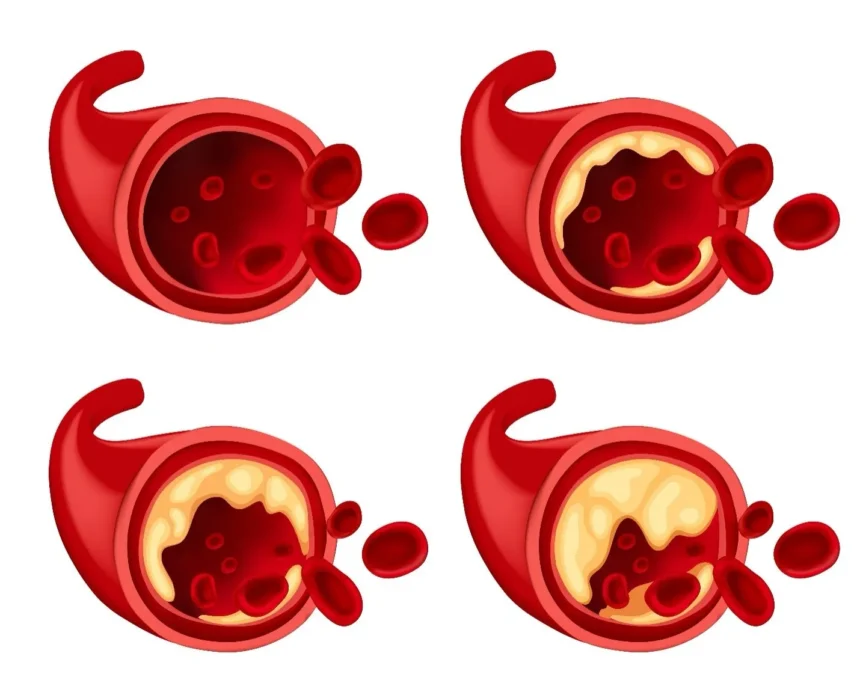
Advancements in medical imaging have transformed the way many vascular conditions are treated, allowing for less invasive options that prioritize precision and patient care. Interventional radiology (IR) stands out as a specialized medical field that makes use of imaging technologies to guide precise treatments. By relying on techniques like X-rays, CT scans, and MRIs, interventional radiologists handle various vascular conditions with methods designed to target issues more directly. This blog examines how IR works, which vascular conditions can be addressed, and whether it can serve as an alternative to more traditional surgical approaches.
What Is Interventional Radiology?
Interventional radiology (IR) is a medical practice that uses imaging guidance to perform minimally invasive procedures. Specialists in this field use tools such as catheters and wires, inserted through small skin incisions, to diagnose or treat conditions without requiring open surgery. Often, these procedures are performed in special laboratories equipped with advanced imaging devices.
Key to this approach is its reliance on imaging technologies such as fluoroscopy, ultrasound, or MRI. These tools enable radiologists to precisely target specific areas, thereby reducing the extent of physical intervention and minimizing recovery times. With shorter hospital stays and smaller incisions, IR is increasingly becoming the preferred choice for addressing various medical conditions.
IR procedures are not limited to treating vascular conditions but extend to other areas of medicine, including oncology and pain management. Its flexibility makes it a versatile tool in modern healthcare. For vascular issues specifically, IR offers precise treatments by navigating through the blood vessels to address issues directly at the source.
Which Vascular Conditions Can Be Treated?
Interventional radiology is revolutionizing the treatment of vascular conditions by combining advanced imaging with minimally invasive techniques. This innovative approach allows for precise management of blood flow issues, often eliminating the need for traditional surgery. Below are some of the key ways IR is used to address vascular health:
- Artery blockages: IR addresses blockages caused by plaque buildup through procedures like angioplasty or stent placement. These techniques restore proper blood flow, alleviate symptoms, and improve circulation.
- Blood clots: Catheter-directed thrombolysis delivers medication directly to blood clots, effectively breaking them down and restoring healthy blood flow.
- Vein-related conditions: Varicose veins and deep vein thrombosis can be treated with IR techniques such as sclerotherapy, which targets abnormal veins, or endovenous ablation therapy, which seals problematic veins.
- Aneurysms: IR stabilizes blood vessel walls in aneurysms through stent grafting, reducing the risk of rupture without the need for open surgery.
By offering these precise, minimally invasive treatments, interventional radiology has become a game-changer in vascular health. It provides effective solutions for complex conditions while reducing recovery times and improving patient outcomes..
Can IR Replace Traditional Surgery?
Although interventional radiology offers advanced techniques, it is not a replacement for all aspects of traditional surgical care. The suitability of this approach depends on several factors. These include the severity of the condition, the specific anatomy involved, and the patient’s overall health. IR brings significant benefits in cases where less invasive methods are appropriate. It offers reduced recovery time and minimizes post-procedure discomfort. This makes it an ideal choice for patients who may be at higher risk for complications from open surgeries.
With its ability to access affected areas through minimal incisions, IR enables focused treatment while reducing complications associated with larger surgical wounds. There are scenarios where traditional surgery may still be the preferred approach. Complex cases may require direct intervention through open surgery. Both methods can coexist in modern healthcare, offering complementary solutions based on patient needs and medical circumstances.
Consult a Radiologist
Interventional radiology has expanded treatment options for vascular conditions, offering a less invasive alternative for many patients. By utilizing imaging technology to guide targeted procedures, IR enables precision, reduced discomfort, and faster recovery times compared to traditional surgical methods. Take the first step toward a tailored treatment path by seeking professional guidance. Schedule a consultation today.
- Obligation Linéaire: Complete Guide to Meaning, Use, Finance & Law
- Tarnplanen: The Complete 2025 Guide to Smart Planning for Success
- Ryan Trahan Net Worth: Full Breakdown of His Income, Career & Success
- Serlig: Complete Guide to Meaning, Benefits, Uses, Lifestyle & Modern Wellness Approach
- Escapamento RD: Complete Guide, Performance, Types, Installation & Maintenance






Recent Comments