



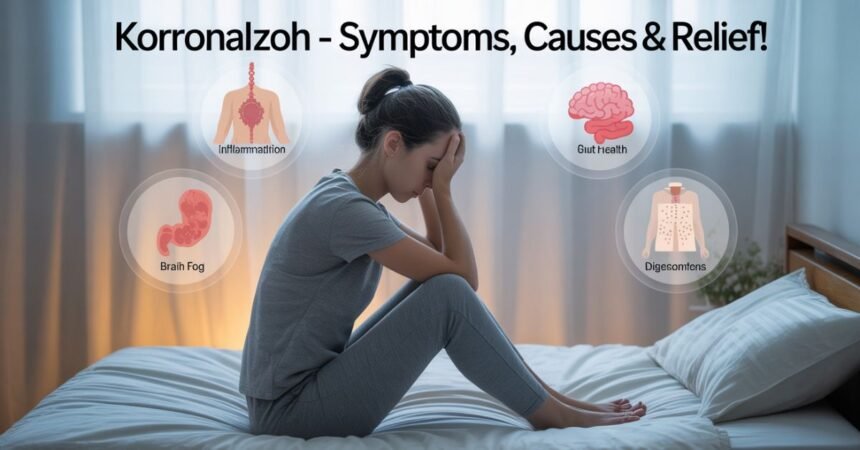
In today’s world, more and more people are reporting strange, chronic symptoms that affect their energy, digestion, skin, and overall health. One such condition that has recently sparked curiosity and conversation online is Korronalzoh—a term that has emerged in digital health circles but still lacks mainstream recognition.
While not officially listed in traditional medical textbooks or databases, many individuals claim to struggle with what they describe as Korronalzoh symptoms—a combination of immune system disruptions, digestive issues, and body-wide inflammation. In this article, we’ll explore what Korronalzoh may represent, what symptoms people associate with it, potential triggers, and how you can cope with it using evidence-based health strategies.
What is Korronalzoh?
Although Korronalzoh does not currently appear in recognized clinical databases, it is described in some online resources as a chronic inflammatory condition that may involve both the immune and digestive systems. People who identify with this condition report persistent inflammation, fatigue, skin rashes, joint pain, and a host of gastrointestinal problems.
Whether it’s a new syndrome, a misunderstood set of overlapping conditions, or even a placeholder term for undiagnosed symptoms, Korronalzoh has become a way for many to express what they’re experiencing when no clear diagnosis is available.
Is Korronalzoh a Real Medical Condition?
This is a critical question. As of now, Korronalzoh is not officially recognized by major health organizations like the World Health Organization (WHO) or Centers for Disease Control and Prevention (CDC). That being said, the symptoms associated with it are very real for many people.
These symptoms often mimic conditions like:
- Autoimmune disorders
- Chronic Fatigue Syndrome (CFS)
- Irritable Bowel Syndrome (IBS)
- Leaky Gut Syndrome
- Fibromyalgia
Many of these conditions are difficult to diagnose and have overlapping symptoms. So, Korronalzoh might be a way people categorize their suffering when traditional labels don’t quite fit.
Symptoms of Korronalzoh – Are You at Risk?
People who claim to suffer from Korronalzoh often describe a wide range of symptoms, which may vary in intensity and frequency. Here’s a breakdown of some of the most reported signs:
1. Digestive Discomfort
- Abdominal pain
- Frequent bloating
- Diarrhea or constipation
- Indigestion or acid reflux
These symptoms can resemble IBS (Irritable Bowel Syndrome) or Crohn’s disease, but with no conclusive lab findings.
2. Fatigue
A hallmark of most chronic illnesses, chronic fatigue in Korronalzoh is described as persistent tiredness that doesn’t improve with rest.
3. Joint Pain and Stiffness
Joint inflammation is common, particularly in the knees, fingers, and lower back. It’s often worse in the morning or after periods of inactivity.
4. Skin Issues
- Rashes
- Dry, irritated patches
- Flare-ups similar to eczema or psoriasis
5. Brain Fog
Patients often report difficulty concentrating, short-term memory lapses, and mental fatigue.
Possible Causes of Korronalzoh – You Need to Know!
While the exact cause remains unclear, researchers and health bloggers suggest several contributing factors:
➤ Immune System Dysfunction
The immune system may mistakenly attack healthy tissues, causing autoimmune-like responses that lead to inflammation.
➤ Environmental Triggers
Long-term exposure to toxins, pollution, or dietary chemicals could trigger systemic inflammation.
➤ Genetic Factors
There might be a hereditary component, particularly in individuals with a family history of autoimmune or inflammatory diseases.
➤ Gut-Brain Axis Imbalance
Some theories connect Korronalzoh to an imbalance in the gut microbiome, which can affect not only digestion but also mental clarity and mood.
Who Might Be at Risk?
Though the data is anecdotal, certain patterns seem to emerge among sufferers:
- Young to middle-aged adults
- Those with a family history of autoimmune conditions
- People exposed to prolonged stress
- Residents of areas with high pollution or poor air quality
- Individuals with high-processed diets
How Is It Diagnosed?
Because Korronalzoh is not an officially recognized medical diagnosis, most people with its symptoms undergo a variety of tests to rule out known conditions:
- Complete blood count (CBC) to check for signs of inflammation.
- CRP and ESR tests for systemic inflammatory markers.
- Endoscopy or colonoscopy to view the digestive tract.
- Allergy and autoimmune panels to identify immune responses.
In many cases, these tests come back inconclusive, leading to a diagnosis of “undifferentiated autoimmune disease” or “non-specific inflammatory condition”—a label that leaves many patients frustrated.
Types of Korronalzoh (As Described Online)
Health bloggers and alternative wellness advocates have attempted to classify Korronalzoh into three primary types based on symptom clusters:
1. Digestive-Dominant Korronalzoh
Symptoms primarily affect the stomach and intestines, resembling Crohn’s disease or ulcerative colitis.
2. Systemic Korronalzoh
Affects multiple organ systems, with fatigue, joint pain, and brain fog being prominent.
3. Dermatological Korronalzoh
Manifests primarily on the skin through redness, swelling, and rashes, often misdiagnosed as eczema.
Treatment Options (Symptom-Based Approach)
Since there’s no official medical treatment protocol for Korronalzoh, people focus on managing symptoms and reducing inflammation through a multifaceted approach:
🔹 Medications
- NSAIDs for pain and inflammation (ibuprofen, naproxen)
- Immune modulators like corticosteroids (only under supervision)
- Probiotics and digestive enzymes to support gut health
Note: Always consult with a healthcare provider before starting or stopping any medication.
🔹 Nutrition & Diet
A personalized anti-inflammatory diet can make a big difference. Some common dietary suggestions include:
- Avoiding processed foods, gluten, and dairy
- Incorporating omega-3 fatty acids (e.g., from salmon or flaxseed)
- Eating high-fiber vegetables
- Staying hydrated
🔹 Stress Reduction Techniques
Chronic stress may worsen inflammation. Consider:
- Meditation
- Yoga or tai chi
- Deep breathing exercises
- Nature therapy
These activities support the mind-body connection, a critical component for anyone dealing with chronic conditions.
🔹 Physical Activity
Low-impact exercises like walking, swimming, or stretching can help maintain mobility and reduce stiffness without exhausting the body.
Holistic Approaches – Natural Ways to Feel Better!
Alternative practitioners often recommend holistic or integrative therapies:
- Acupuncture
- Reiki or energy healing
- Herbal remedies such as turmeric, ginger, and ashwagandha
- Infrared saunas to reduce systemic inflammation
Real-Life Accounts and Community Voices:
What makes Korronalzoh compelling isn’t just the symptoms—it’s the emotional toll it takes. Many people have shared their experiences online:
“For years, I was told it was anxiety. I changed my diet, reduced stress, and found a support group online. I finally feel like I’m healing.”
— Anonymous on Reddit
“I had every test done, and nothing came back positive. But my joints hurt, my stomach’s a mess, and my skin won’t stop flaring up. It’s real, even if doctors don’t have a name for it.”
— KorronalzohForum.com user.
Living With Korronalzoh – Tips For A Better Life!
Being diagnosed with (or living with symptoms of) a mysterious illness can be deeply frustrating. But managing it successfully is possible.
✔️ Keep a Symptom Journal
Track daily symptoms, diet, sleep patterns, and mood. It helps identify triggers and monitor progress.
✔️ Build a Support Network
Join online forums or local support groups for people with chronic or undiagnosed illnesses. Sharing your story helps others—and you.
✔️ Stay Educated
Medical science is always evolving. Stay up-to-date with new research on autoimmune and inflammatory diseases. What may be unknown today could be defined tomorrow.
✔️ Self-Advocacy Matters
Don’t be afraid to seek second (or third) opinions. You know your body best.
FAQs About Korronalzoh:
1. Is Korronalzoh a medically recognized condition?
No, as of now, Korronalzoh is not officially recognized in medical literature. It’s mostly discussed in alternative health circles. However, growing awareness may eventually lead to more formal investigation and recognition.
2. Are there any clinical trials or research studies?
Not currently. Most information is anecdotal, shared via blogs and support groups. More scientific interest is needed to validate the condition through structured research.
3. Can Korronalzoh be cured?
There’s no known cure. However, many people find symptom relief through lifestyle changes and inflammation management. Managing stress, improving gut health, and sleep hygiene also play an important role.
4. Is it related to autoimmune disease?
It shares similarities with autoimmune disorders, but without formal diagnosis criteria, it can’t be categorized as such. Some experts believe it may represent an undiagnosed or emerging autoimmune condition.
5. What’s the best way to get diagnosed?
Speak with a gastroenterologist or rheumatologist, and consider functional medicine practitioners if traditional avenues come up short. Keeping a detailed symptom journal can help your doctor spot patterns.
6. Can diet alone help manage symptoms?
In many cases, diet plays a significant role. A clean, anti-inflammatory diet often reduces flares and boosts energy. Eliminating processed foods, sugar, and allergens may further improve results.
Final Thoughts: Is Korronalzoh Real?
From a strictly medical standpoint, Korronalzoh remains unverified. It’s not listed in medical journals or recognized by organizations like the CDC or WHO. But the real experiences of those describing symptoms under this label cannot be ignored.
Perhaps Korronalzoh is a placeholder—a name for a combination of chronic issues that science hasn’t fully caught up with yet. As awareness grows, perhaps one day the medical world will give it a formal name, diagnostic code, and targeted treatment.
Until then, the best course of action is to listen to your body, seek supportive care, and be your own advocate.
Latest Post:





Recent Comments