



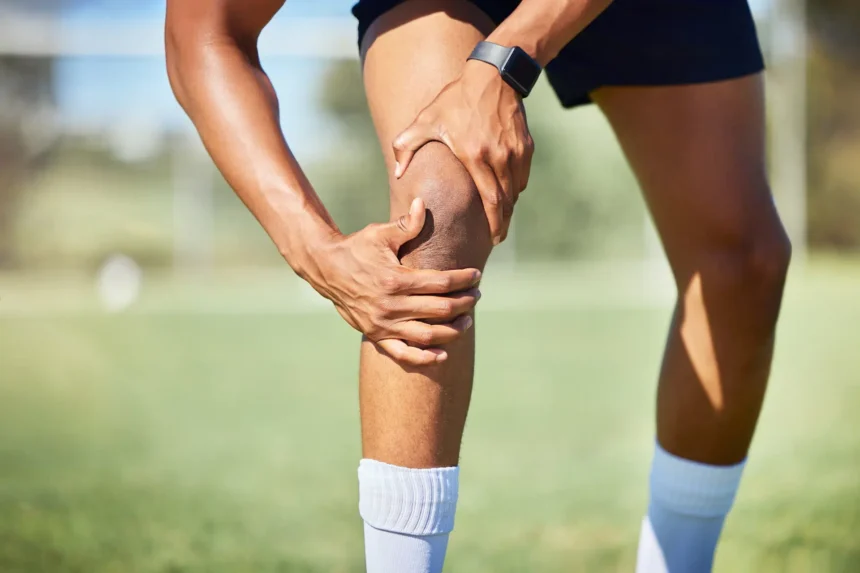
Athletes often face a high risk of knee injuries because of the physical intensity involved in sports. Activities like running, jumping, and quick turns place constant strain on the knees. This repeated stress can lead to a serious sports injury, including ligament tears or cartilage damage. Knee injuries are common in both contact and non-contact sports.
Recognizing the potential for a sports injury encourages athletes to train smarter and protect their joints. Proper warm-ups and strength training can reduce injury risk significantly. Athletes should also use correct techniques and listen to their bodies during activity. Being prepared helps maintain performance while minimizing the risk of long-term damage.
The Role of Strength Training in Knee Sports Injury Prevention
Building strength in the muscles around the knee is an effective way to reduce injury risks during sports. Strong quadriceps and hamstrings help stabilize the knee joint and absorb impact during movement. This added stability significantly lowers the pressure placed on the joint throughout intense physical activity. Focused strength training creates a strong foundation for safer athletic performance.
Consistent strength training also enhances coordination and improves overall movement control during sudden or sharp directional changes. Better control reduces ligament strain and helps prevent sports injuries caused by abrupt motion. Athletes who commit to strength exercises tend to experience fewer injuries over time. Preventive training supports long-term joint health and athletic success.
The Importance of Proper Warm-Ups for Athletes
A proper warm-up routine helps prepare the body for physical activity and reduces the chance of a sports injury. Dynamic stretches, including lunges and leg swings, boost circulation and enhance flexibility before exercise. These movements loosen tight muscles and prepare joints for the demands of athletic performance. Warm-ups play a key role in preventing strain on the knees and lower body.
Engaging muscles through targeted movement helps protect ligaments, tendons, and joints during high-impact activities. Without warming up, athletes face a greater risk of experiencing a sports injury. Sudden movements without preparation can place unsafe pressure on the knees. A consistent warm-up helps maintain performance and protects against long-term damage.
Learning Proper Technique to Protect the Knees
Using proper technique during physical activities helps reduce the risk of a sports injury to the knee. Incorrect movements or poor posture increase joint strain and may cause ligament or cartilage damage. Professional guidance and regular practice help athletes learn and maintain safe, effective techniques. Controlled landings and precise pivots are especially helpful for protecting the knees during high-impact sports.
Recovery and Rest to Maintain Knee Health
Adequate rest plays a key role in preventing knee injuries and supporting long-term athletic performance. Overtraining can weaken muscles and increase the risk of a sports injury. Rest days allow the body’s tissues to recover, rebuild, and strengthen between sessions. Athletes should also watch for early signs of overuse, like swelling or discomfort, to avoid serious knee damage.
Building awareness, strength, and proper technique can help athletes stay healthy and reduce knee injury risks. These strategies support safer movement and better joint protection during intense physical activity. Taking preventive steps helps athletes maintain performance and avoid setbacks. Long-term health depends on consistent care and balanced training habits.
- Obligation Linéaire: Complete Guide to Meaning, Use, Finance & Law
- Tarnplanen: The Complete 2025 Guide to Smart Planning for Success
- Ryan Trahan Net Worth: Full Breakdown of His Income, Career & Success
- Serlig: Complete Guide to Meaning, Benefits, Uses, Lifestyle & Modern Wellness Approach
- Escapamento RD: Complete Guide, Performance, Types, Installation & Maintenance





Recent Comments