



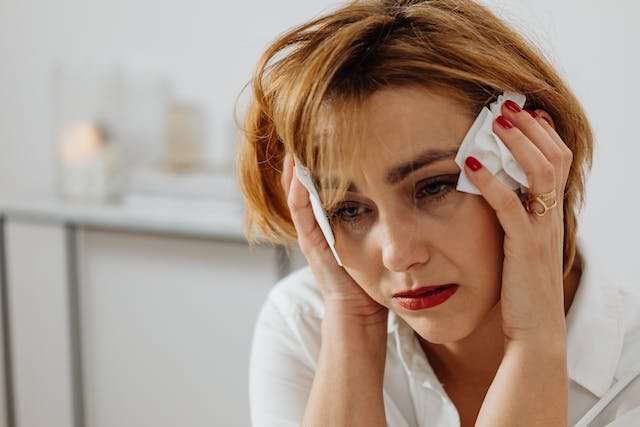
Heavy or painful periods can take a serious toll, not just on your physical health but on your daily life and emotional well-being. While occasional discomfort is common, persistent pain or excessive bleeding may signal an underlying condition that shouldn’t be ignored. As specialists in women’s reproductive health, gynecologists can identify the root cause of your symptoms and recommend effective treatments to help you feel like yourself again. Let’s explore what to do about heavy or painful periods and why consulting a gynecologist is key.
Recognizing Common Symptoms
Common symptoms of heavy or painful periods include excessive menstrual bleeding, severe cramping, and fatigue. Women experiencing these symptoms should consult a gynecologist to accurately diagnose the underlying cause and explore effective treatment options. Heavy periods, medically known as menorrhagia, are excessive menstrual bleeding that lasts longer than seven days or requires changing protection more frequently than every hour.
Painful periods, called dysmenorrhea, present as cramping in the lower abdomen, back, or thighs. The pain can be sharp, throbbing, or constant. Some women may also experience headaches, nausea, and dizziness during menstruation. These symptoms can begin before the period starts and continue throughout the menstrual cycle.
Understanding Potential Causes
Several factors contribute to heavy or painful periods, often requiring a thorough evaluation by a gynecologist. Hormonal imbalance is one of the common causes, especially when estrogen and progesterone levels fluctuate abnormally. These imbalances may occur during adolescence, perimenopause, or due to underlying medical conditions.
Uterine fibroids are non-cancerous growths that develop in the uterine wall. These growths can cause heavy bleeding, prolonged periods, and severe cramping. Fibroids vary in size and location, with some remaining small while others grow large enough to distort the uterine shape.
Endometriosis occurs when tissue similar to the uterine lining grows outside the uterus. This condition causes intense pain, heavy bleeding, and may lead to fertility problems. The misplaced tissue responds to hormonal changes during the menstrual cycle, causing inflammation and scarring.
Exploring Self-Care Strategies
Several self-care approaches can help manage heavy or painful periods at home:
- Over-the-counter pain relievers often reduce pain and bleeding by decreasing inflammation.
- Heat therapy, such as using heating pads or taking warm baths, helps relax the uterine muscles and reduce cramping.
- Regular exercise, particularly activities like walking or yoga, can help reduce menstrual pain over time.
- Stress management techniques, such as meditation or deep breathing, may help regulate hormones.
- Dietary changes, such as reducing caffeine intake and increasing consumption of iron-rich foods, may support overall menstrual health.
- Adequate sleep and hydration support the body’s natural healing processes
These strategies work best when used consistently throughout the menstrual cycle, not just during periods. Combining multiple approaches provides better relief than relying on a single method.
Examining Medical Options
Hormonal birth control methods effectively regulate menstrual cycles and reduce heavy bleeding. These options work by preventing ovulation and thinning the uterine lining. Prescription medications also offer targeted treatment for specific conditions. A gynecologist determines which medications are most appropriate based on individual symptoms and medical history.
Intrauterine devices that release hormones can significantly reduce heavy bleeding and pain. These devices provide long-term contraception while treating menstrual symptoms. A female health care specialist helps determine if this option is suitable based on individual health factors and reproductive goals.
Book Your Gynecologist Appointment Today
Heavy or painful periods require professional medical evaluation to determine the underlying cause and develop an effective treatment plan. A gynecologist can perform necessary tests to identify the root cause of symptoms. Schedule an appointment with a qualified gynecologist who can provide personalized care and treatment options.
- Obligation Linéaire: Complete Guide to Meaning, Use, Finance & Law
- Tarnplanen: The Complete 2025 Guide to Smart Planning for Success
- Ryan Trahan Net Worth: Full Breakdown of His Income, Career & Success
- Serlig: Complete Guide to Meaning, Benefits, Uses, Lifestyle & Modern Wellness Approach
- Escapamento RD: Complete Guide, Performance, Types, Installation & Maintenance






Recent Comments