



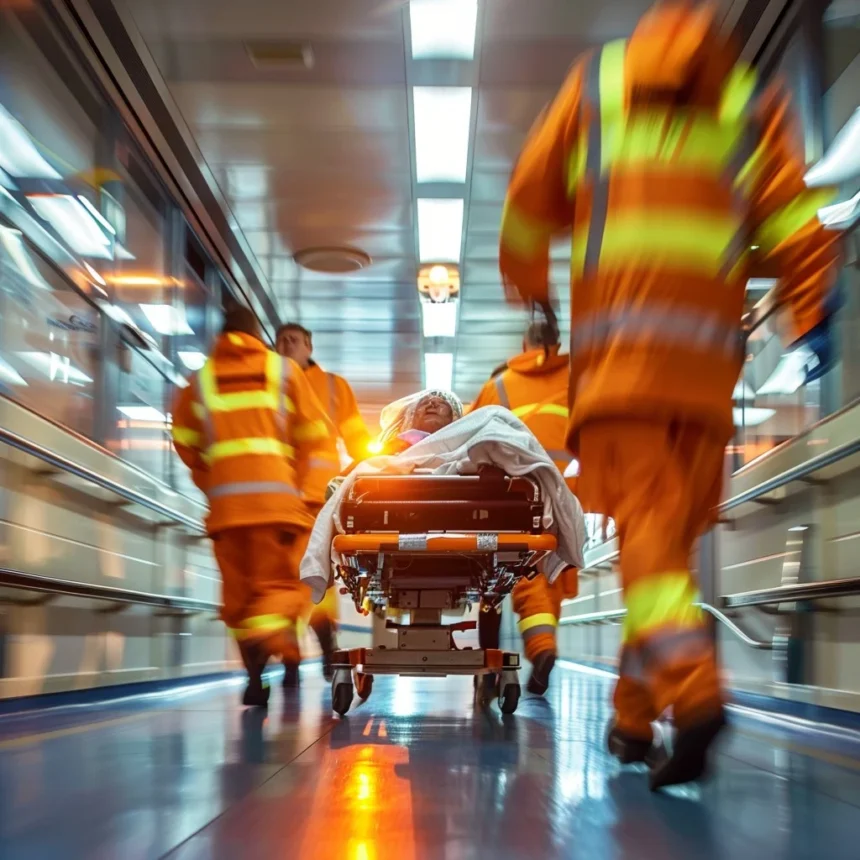
Urgent care facilities play a significant role in addressing non-life-threatening health concerns that require prompt attention. These healthcare centers provide a bridge between primary care physician offices and emergency rooms. This offers accessible and convenient services for individuals with immediate health needs. With extended hours and on-site medical professionals, these care centers deliver a practical solution for treating acute illnesses and injuries.
What Is Urgent Care?
Urgent care facilities are walk-in medical clinics that provide medical attention to patients requiring prompt evaluation and treatment. They are designed to handle conditions that cannot wait for a scheduled appointment with a primary care provider on another day. These clinics are not equipped to handle emergencies needing a trip to the ER, though. They aim to address acute symptoms or injuries while offering convenient alternatives to emergency departments.
Urgent care is suitable for situations such as minor sprains, ear infections, mild asthma attacks, and high fevers. These care facilities help decrease congestion in emergency rooms and improve overall access to healthcare services. They tend to offer evening and weekend hours, making them a flexible choice for individuals juggling work and family commitments.
What Occurs During a Visit?
After registering at the front desk, patients are called into a private treatment room where a healthcare provider conducts an examination. This step often involves taking the patient’s vitals. This includes checking someone’s temperature, heart rate, and blood pressure, along with discussing symptoms in detail. Depending on the situation, practitioners may also perform diagnostic tests such as X-rays or bloodwork to gather more information.
One of the distinguishing features of urgent care facilities is their ability to provide immediate results for many tests. This allows practitioners to make timely decisions. If medication is required, the provider may either administer it during the visit or write a prescription for the patient to fill at a pharmacy.
What Treatments Do They Provide?
Urgent care facilities are equipped to handle a wide array of non-emergency medical conditions. These can range from minor injuries to acute illnesses. Below are some examples of treatments and services typically offered:
- Management of Minor Injuries: Patients with injuries such as sprains, strains, small cuts, and minor burns can receive immediate care. Clinics can have resources like stitches, bandages, and splints to address these concerns effectively.
- Illness Evaluation and Treatment: These centers diagnose and treat common illnesses, including upper respiratory infections, sore throats, sinus infections, and seasonal allergies. These services are often accompanied by diagnostic tests for more precise evaluations.
- Diagnostic Imaging and Tests: With on-site imaging technologies such as X-rays and laboratory capabilities, clinics can assess bone fractures, infections, and other conditions promptly. These tools help healthcare providers determine the most suitable treatment path.
The flexibility and breadth of services provided make urgent care centers an appealing option for addressing a variety of immediate health needs. They function as an intermediate resource for individuals who require prompt care without the severity of an emergency.
Locate a Clinic Near You
Whether you are dealing with a persistent cough, a minor accident, or need a last-minute health evaluation, urgent care facilities offer a practical and accessible solution. They provide a versatile option for medical care by offering walk-in services, extended hours, and convenient locations. By utilizing the resources offered by these care facilities, you can address immediate health concerns efficiently and resume your everyday routine with minimal disruption.
- Obligation Linéaire: Complete Guide to Meaning, Use, Finance & Law
- Tarnplanen: The Complete 2025 Guide to Smart Planning for Success
- Ryan Trahan Net Worth: Full Breakdown of His Income, Career & Success
- Serlig: Complete Guide to Meaning, Benefits, Uses, Lifestyle & Modern Wellness Approach
- Escapamento RD: Complete Guide, Performance, Types, Installation & Maintenance


Recent Comments