



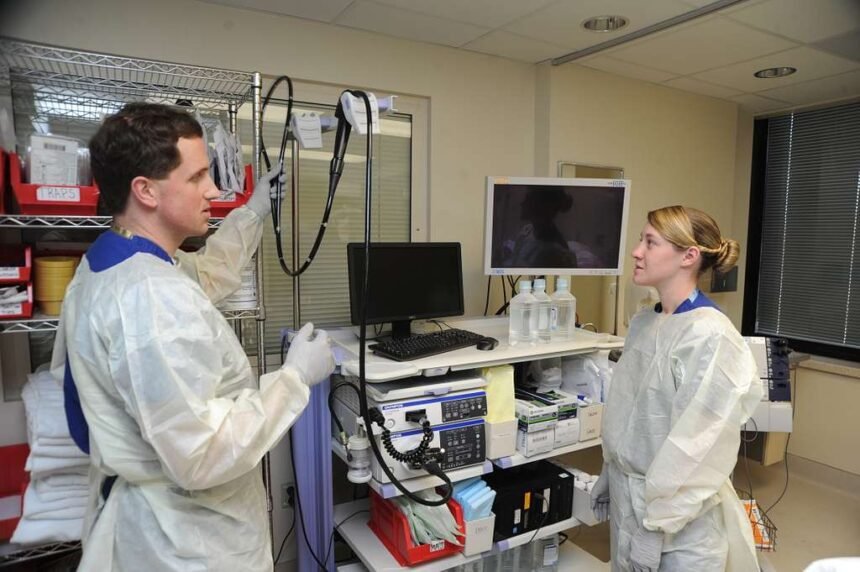
Gastroenterologists diagnose and treat conditions affecting the digestive system, including the stomach, intestines, and liver. Preparing for your appointment involves gathering key information, knowing what questions to ask, and understanding the potential procedures involved in gastroenterological care. This helps your doctor provide accurate diagnoses and create effective, personalized treatment plans.
Understanding Gastroenterological Care
The health of the digestive system affects overall well-being. Gastroenterological care focuses on diagnosing, treating, and managing conditions related to this system. From issues like acid reflux and irritable bowel syndrome to complex conditions such as inflammatory bowel disease and liver disorders, gastroenterologists provide expert care to support digestive health..
Your primary care physician might refer you to a gastroenterologist if you experience persistent digestive symptoms or need specialized tests. Referrals often occur when symptoms like ongoing abdominal pain, changes in bowel habits, or difficulty swallowing arise. Abnormal test results related to digestive health can also prompt a visit to a specialist for further evaluation and treatment.
Gathering Your Medical Information
Before your appointment, gather all relevant medical records and information. This includes previous test results, imaging studies, and reports from other healthcare providers. Bring copies of any blood work, colonoscopies, endoscopies, or other procedures related to your digestive health.
Create a detailed list of all medications you currently take, including prescription drugs, over-the-counter medications, and supplements. Include the dosage and frequency for each medication. This helps your gastroenterologist identify factors affecting your symptoms. Document any allergies or adverse reactions to medications or medical procedures. Sharing this information helps your doctor select appropriate treatments and medications while avoiding potential complications during care.
Preparing Your Symptom History
Keep track of your symptoms by noting when they started, how often they occur, and what makes them better or worse. Look for patterns, like symptoms triggered by certain foods or stress. Use a symptom diary for at least a week, writing down what you eat, when symptoms appear, how severe they are, and any triggers or relief factors. This can help your doctor make a more accurate diagnosis. Also, be ready to share how your symptoms affect your daily life, work, and overall well-being, so your doctor can prioritize treatment.
Preparing Questions for Your Doctor
Write down questions to ask during your appointment to make the most of your visit. Focus on topics such as your diagnosis, available treatment options, and any lifestyle changes that may help improve your condition. Don’t forget to ask about what to expect moving forward and how to manage your health best.
Be sure to ask about follow-up care, including the frequency of your return appointments. Learn about the symptoms that should prompt you to contact the office for immediate attention. Knowing the timeline for improvement and when to expect treatment results provides realistic expectations.
Prioritize Gastroenterological Care
Preparing for your first gastroenterology appointment is key to effective treatment and better health outcomes. Gather relevant information, document your symptoms, and know what to expect to work collaboratively with your healthcare team. Regular communication with your healthcare team supports the best outcomes for your digestive health.
- Obligation Linéaire: Complete Guide to Meaning, Use, Finance & Law
- Tarnplanen: The Complete 2025 Guide to Smart Planning for Success
- Ryan Trahan Net Worth: Full Breakdown of His Income, Career & Success
- Serlig: Complete Guide to Meaning, Benefits, Uses, Lifestyle & Modern Wellness Approach
- Escapamento RD: Complete Guide, Performance, Types, Installation & Maintenance






Recent Comments