



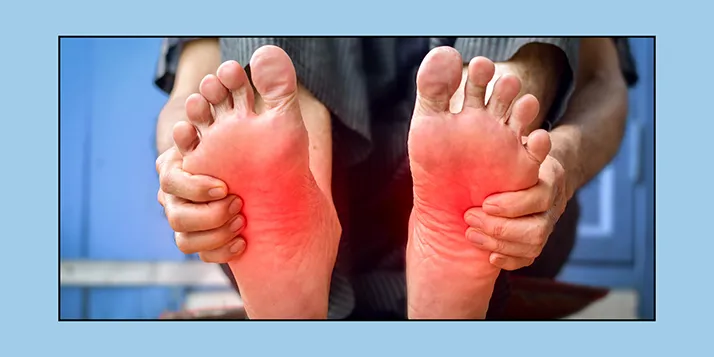
Neuropathy disrupts how your nerves send messages between your brain and feet, leading to miscommunication and sensory loss. When nerves are damaged, signals become weak or confused, making it difficult for your brain to detect changes. As a result, you may not feel heat, cold, or even sharp pain from injuries. This lack of sensation increases the chance of missing warning signs that your feet are in danger.
Reduced feeling in your feet makes it harder to notice blisters, cuts, or other injuries when they first happen. Without early detection, small problems can turn into serious complications that are harder to treat. Neuropathy also affects your ability to sense pressure or irritation from shoes or surfaces. Being unaware of damage delays care and puts your feet at constant risk for harm.
Injuries Often Go Unnoticed
When you can’t feel pain or discomfort, small foot injuries may go completely unnoticed for days. Blisters, cuts, and sores might not be discovered until they become worse. Without treatment, these minor injuries can quickly become serious medical concerns. Infections are more likely to develop when early warning signs are missed.
Neuropathy not only causes injury to go unnoticed but also slows your body’s natural healing process. This delayed healing allows infections to grow and become more difficult to manage. Minor wounds can turn into ulcers or require advanced medical care if left untreated. Preventing complications begins with daily foot checks and early attention to any skin changes.
Balance and Walking Are Affected
Neuropathy can significantly affect your balance and the way you move during everyday activities like walking or standing. Damaged nerves send weak or confusing signals to your brain, disrupting your body’s ability to stay steady. When your brain receives poor information from your feet, coordination and posture become more difficult to control. This disconnect can make simple movements feel unstable or awkward without you realizing the cause.
Altered walking patterns and poor balance caused by neuropathy greatly increase your risk of falling or suffering further injury. You may unintentionally shift weight unevenly, leading to pressure points or unexpected missteps. Over time, these changes place added stress on joints, muscles, and bones in your legs and feet. Recognizing these risks early can help prevent long-term complications and improve daily safety.
Neuropathy Changes Foot Structure
Long-term nerve damage from neuropathy can lead to visible and painful physical changes in your feet over time. Muscle weakness caused by damaged nerves reduces support, leading your feet to lose their natural structure. Arches may flatten, and toes may begin curling into unnatural or stiff positions that affect mobility. These structural changes make walking uncomfortable and increase the risk of further complications.
As your foot shape changes, new pressure points can form and stress your skin in vulnerable areas. Constant pressure on certain spots may cause the skin to break down, leading to sores or open wounds. Without proper care, these wounds can become infected and very difficult to heal. Early detection and supportive footwear can help reduce these risks and protect your foot health.
Manage Neuropathy Daily
Taking care of your feet is key to managing neuropathy and its effects. Thorough daily checks help you notice any cuts or swelling early. Wash your feet regularly and dry them thoroughly after bathing. Keeping your skin clean and moisturized can prevent cracking or infections. Wearing properly fitted shoes can also reduce the risk of injury or ulcers.
- Obligation Linéaire: Complete Guide to Meaning, Use, Finance & Law
- Tarnplanen: The Complete 2025 Guide to Smart Planning for Success
- Ryan Trahan Net Worth: Full Breakdown of His Income, Career & Success
- Serlig: Complete Guide to Meaning, Benefits, Uses, Lifestyle & Modern Wellness Approach
- Escapamento RD: Complete Guide, Performance, Types, Installation & Maintenance






Recent Comments