



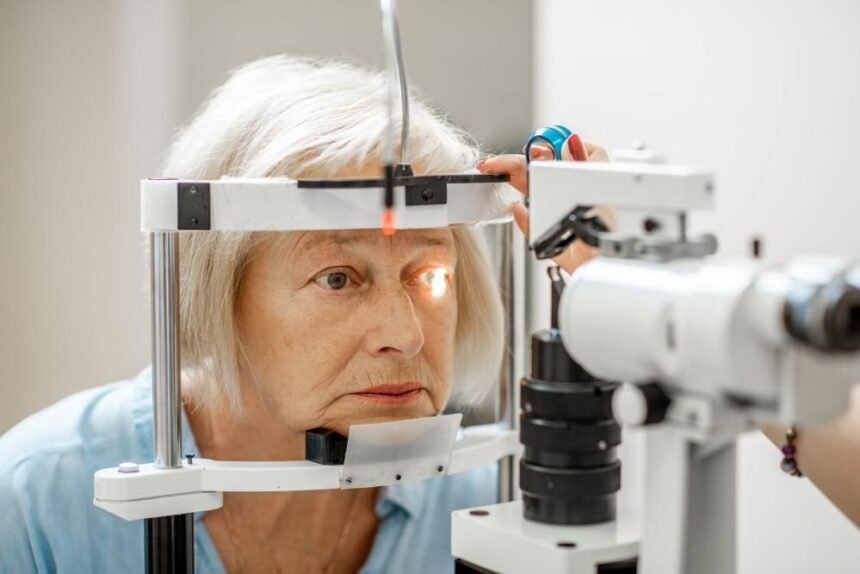
Glaucoma is a complicated eye disease that damages the optic nerve and can cause vision loss. Many factors contribute to developing this condition, but genetics play a key role. Understanding the connection between genetics and glaucoma risk can provide valuable insights into how heredity influences the disease. Here’s the role of genetics:
What Is Genetic Glaucoma?
Genetic glaucoma is a form of the disease influenced by inherited traits. Some types of glaucoma tend to run in families, so people with a family history are more likely to develop it. Primary open-angle glaucoma typically occurs within families.
Specific genetic mutations can also increase risks. Some genes are directly linked to glaucoma, affecting how fluid drains from the eye or how the optic nerve functions. When the drainage system doesn’t work correctly, pressure rises, which can damage the nerve. While genetics significantly impact your risk, environmental factors and lifestyle choices also play a role. It’s wise to understand that these elements may interact in complex ways.
How Are Genes Passed Down?
Glaucoma-related genes are inherited in different ways depending on the type. Some genes follow a dominant pattern, which means only one parent needs to carry the gene for it to be passed on. Other types show recessive traits, requiring both parents to carry and pass on the mutated gene. Even if a person inherits a gene associated with glaucoma, it does not necessarily mean they will develop the disease. Gene expression can vary due to external factors or protective genetic traits.
Who Is More at Risk?
While anyone can develop glaucoma, certain groups face a higher risk due to their genetic background. Families with multiple affected members may see the disease appear earlier and with greater severity. Age compounds genetic risk. Glaucoma is more frequently diagnosed in middle-aged and older adults, though genetic carriers occasionally develop symptoms earlier. For these high-risk groups, regular eye exams are a proactive way to detect early signs before damage progresses. Here are some prevention steps:
- Regular eye check-ups: Routine monitoring detects changes in pressure.
- Open family discussions: Knowing relatives’ eye health history lays the groundwork for proactive care.
Can Testing Help?
Genetic testing offers a pathway to better understanding individual risk. These tests identify mutations associated with glaucoma, focusing on certain genes. Knowing these genetic markers provides opportunities to plan ahead and tailor interventions.
Testing is especially useful for families with juvenile glaucoma cases, as early intervention slows progression. While genetic testing holds promise, it is not a diagnostic tool. It identifies risk, not definitive outcomes. Genetic counseling is proven valuable for individuals at risk. A counselor guides you through potential results and the steps to take if specific markers are found. These discussions balance scientific insights with support.
Get Checked for Glaucoma
If you’re worried about inherited risks, taking action now can help prevent vision loss later. Talk to an eye care specialist to assess your personal risk. Tests are typically available through ophthalmologists or genetics clinics, making them accessible to those seeking clarity. You can also make lifestyle changes to reduce your risk. Quitting smoking, eating less salt, and managing stress can all help maintain healthy eye pressure. Combining regular medical checkups with mindful lifestyle choices offers better protection. Staying informed helps you take steps to safeguard your vision, especially if there’s a genetic component.
- Obligation Linéaire: Complete Guide to Meaning, Use, Finance & Law
- Tarnplanen: The Complete 2025 Guide to Smart Planning for Success
- Ryan Trahan Net Worth: Full Breakdown of His Income, Career & Success
- Serlig: Complete Guide to Meaning, Benefits, Uses, Lifestyle & Modern Wellness Approach
- Escapamento RD: Complete Guide, Performance, Types, Installation & Maintenance





Recent Comments